

Hey there! As a supplier of UV digital printers, I often get asked if our machines can print on rubber. Well, the short answer is yes, but there's a lot more to it than that. In this blog post, I'll dive deep into the topic, sharing all you need to know about printing on rubber using UV digital printers.
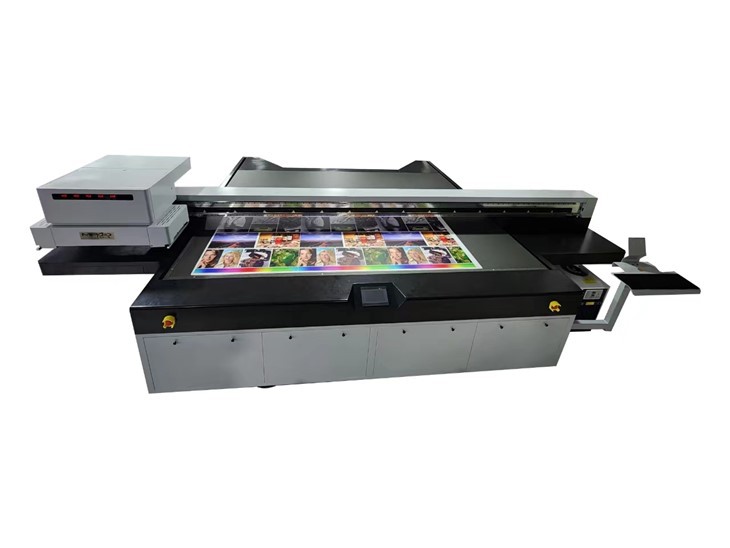
First off, let's talk about what UV digital printers are. These bad boys are a game-changer in the printing industry. They use ultraviolet light to cure the ink almost instantly as it's printed onto the surface. This results in a high - quality, durable print that adheres well to various materials. We offer a range of UV digital printers, including the Flatbed Sign Printer, UV LED Flatbed Printer, and Wide Format Flatbed Printer. Each of these models has its own unique features, but they all share the ability to print on a wide variety of substrates, rubber being one of them.
Now, why would you want to print on rubber? Rubber is a versatile material used in many industries. In the automotive sector, rubber parts like gaskets or seals might need to have logos, serial numbers, or other markings. In the consumer goods industry, rubber products such as phone cases, keychains, or even shoe soles can be customized with attractive designs. Printing on rubber allows for brand customization, product identification, and adding aesthetic value.
So, how does the printing process work on rubber? The first step is to prepare the rubber surface. Rubber can be a bit tricky because it's often smooth and has a low surface energy, which means the ink might not adhere well right off the bat. To overcome this, we usually recommend a surface treatment. This can be as simple as cleaning the rubber with a mild solvent to remove any dirt, oil, or release agents that might be on the surface. In some cases, a more advanced treatment like corona treatment or plasma treatment might be required. These treatments increase the surface energy of the rubber, making it easier for the ink to bond.
Once the surface is pre - treated, it's time to load the rubber onto the printer. Our UV digital printers are designed to handle different sizes and shapes of rubber items. The flatbed design of our printers allows for easy placement of flat or slightly curved rubber pieces. If you're dealing with more complex shapes, we can also offer solutions to ensure proper printing.
Next, it's all about the ink. We use special UV - curable inks that are formulated to adhere to rubber. These inks are tough and can withstand the flexing and bending that rubber often goes through. They're also resistant to abrasion, chemicals, and UV light, which means the print will last a long time. The printer then applies the ink in tiny droplets onto the rubber surface, and the UV light immediately cures the ink, locking it in place.
One of the great things about UV digital printing on rubber is the level of detail and accuracy you can achieve. You can print high - resolution images, sharp text, and complex patterns. Whether you want a simple logo or a full - color photo - realistic design, our printers can handle it. And because it's a digital process, there's no need for expensive printing plates or setup costs for small - batch production. You can print one piece or a large quantity, all with the same high - quality results.
However, like any printing process, there are some challenges. One of the main challenges is ensuring consistent adhesion across the entire surface. Different types of rubber have different properties, and even small variations in the rubber composition can affect how the ink adheres. That's why it's important to do some test prints first to fine - tune the printing parameters, such as the ink density, curing time, and surface treatment.
Another challenge is dealing with the flexibility of rubber. As the rubber flexes and moves, the print might crack or peel if the ink isn't flexible enough. But our inks are designed to be flexible, so they can move with the rubber without losing their integrity. It's still important to test the printed rubber under real - world conditions to make sure the print holds up.
In terms of maintenance, our UV digital printers are relatively easy to maintain. Regular cleaning of the print heads and the UV lamps is essential to keep the printer running smoothly. We also provide training and support to our customers to ensure they can get the most out of their printers.
If you're in an industry that uses rubber products and you're looking to add custom printing, then a UV digital printer from us could be the perfect solution. We've helped many businesses, big and small, to start printing on rubber and have seen great results. Whether you're a startup looking to add a unique touch to your products or an established company wanting to improve your product identification, we've got you covered.
So, if you're interested in learning more about our UV digital printers and how they can print on rubber, don't hesitate to get in touch. We can provide more detailed information, arrange a demonstration, or answer any questions you might have. Let's start a conversation about how we can help you take your rubber printing to the next level.
References:
- Industry reports on UV digital printing technology
- Technical specifications of our UV digital printers
- Case studies of rubber printing projects using our printers