

Single Pass Inkjet Printer
MPA Digital Technology : Your Trustworthy Single Pass Inkjet Printer Supplier!
MPA Digital Technology Co., Ltd. (hereinafter referred to as MPAD) was established in 2012 and is composed of experts dedicated to the research and development of digital large-format printers. MPAD has an independent R&D team with rich experience and knowledge in large-format printer design, especially complete control systems for UV flatbed printers and UV roll-to-roll printers, allowing us to provide customers with stable and exciting products and continuous technological innovation.
Rich Products
We can produce UV printers, UV flatbed printers, UV roll printers, hybrid UV printers, single-channel inkjet printers, digital UV flatbed printers, high-speed UV printers, UV printer flatbed printers, and more.
Products Widely Used
The products we produce can be widely used in signage and graphics, interior decoration, textiles and apparel, outdoor advertising, labels and packaging, promotional products, fine art reproductions, architectural graphics and more.
Many Partners
We have customers and partners in many countries, including the United States, United Kingdom, Spain, Greece, Poland, Russia, India, Turkey, Kazakhstan, Singapore, Israel, United Arab Emirates, Algeria, etc.
Customizable
Our team has 10 years of professional R&D and production experience in the field of digital large-format printer product R&D and is able to meet the needs of different markets and customers.
-
![Corrugated Board Printing Machine]() Corrugated Board Printing MachineThe products we produce can be widely used in signage and graphics, interior decoration, textiles and apparel, outdoor advertising, labels and packaging, promotional products, fine art...read more
Corrugated Board Printing MachineThe products we produce can be widely used in signage and graphics, interior decoration, textiles and apparel, outdoor advertising, labels and packaging, promotional products, fine art...read more -
![Carton Printing Machine]() Carton Printing MachineDesktop label printers are the most basic digital label printers. It is a small printer designed for low-volume label printing. Desktop label printers typically have a small footprint and are easy...read more
Carton Printing MachineDesktop label printers are the most basic digital label printers. It is a small printer designed for low-volume label printing. Desktop label printers typically have a small footprint and are easy...read more -
![UV Varnish Printer]() UV Varnish PrinterUV Varnish printer 6042 is an ideal digital post press enhancement equipment. It can achieve uv varnish printing directly on books, covers, catalogues, greeting cards, name cards, invitation cards.read more
UV Varnish PrinterUV Varnish printer 6042 is an ideal digital post press enhancement equipment. It can achieve uv varnish printing directly on books, covers, catalogues, greeting cards, name cards, invitation cards.read more -
![Spot UV Coating Machine]() Spot UV Coating MachineIt adopts solid table with vacuum suction design to achieve paper sheets stay on table firmly.read more
Spot UV Coating MachineIt adopts solid table with vacuum suction design to achieve paper sheets stay on table firmly.read more -
![spot uv card printer]() spot uv card printerUV Spot printer is an ideal digital post press enhancement equipment.read more
spot uv card printerUV Spot printer is an ideal digital post press enhancement equipment.read more -
![Digital Foiling Printing Machine]() Digital Foiling Printing MachineDigital foiling printing machine not only accurately controls the inkjetting on books, covers, catalogues and all kinds of packages, giving customers fine and full text and graphics printing.read more
Digital Foiling Printing MachineDigital foiling printing machine not only accurately controls the inkjetting on books, covers, catalogues and all kinds of packages, giving customers fine and full text and graphics printing.read more -
![UV Spot Varnish Printing]() UV Spot Varnish PrintingUV Digital spot varnish printing changes the procedure of traditional prints, improving the printing quality and touch feeling of printing jobs.read more
UV Spot Varnish PrintingUV Digital spot varnish printing changes the procedure of traditional prints, improving the printing quality and touch feeling of printing jobs.read more -
![uv label printing machine]() uv label printing machineUV label printer is widely used for a range of industrial label printing on standard self-adhesive label substrates including coated paper, polypropylene, polyethylene and now also for shrink sleeves.read more
uv label printing machineUV label printer is widely used for a range of industrial label printing on standard self-adhesive label substrates including coated paper, polypropylene, polyethylene and now also for shrink sleeves.read more -
![Corrugated Board Printing Machine]() Corrugated Board Printing MachineCorrugated board printing machine is widely used for a range of industrial packages printing, suitable for many a substrate and fast changeover.read more
Corrugated Board Printing MachineCorrugated board printing machine is widely used for a range of industrial packages printing, suitable for many a substrate and fast changeover.read more -
![One Pass UV Printer]() One Pass UV PrinterOne pass uv printer is widely used for a range of industrial printing applications including signage boards, appliance parts.read more
One Pass UV PrinterOne pass uv printer is widely used for a range of industrial printing applications including signage boards, appliance parts.read more -
![commercial digital label printer]() commercial digital label printerDigital label printer prints directly uv curing inks on variety of substrates such as coated paper, film, PE, PET, PVC and other media.read more
commercial digital label printerDigital label printer prints directly uv curing inks on variety of substrates such as coated paper, film, PE, PET, PVC and other media.read more -
![carton printer machine]() carton printer machineCarton printing machine aims at small, new and fast orders. It is Ideal for Industrial, home, personal care, security, health and safety, automotive, chemical, pharmaceutical, food and beverage...read more
carton printer machineCarton printing machine aims at small, new and fast orders. It is Ideal for Industrial, home, personal care, security, health and safety, automotive, chemical, pharmaceutical, food and beverage...read more


A Single Pass Inkjet Printer is a type of printer that prints an entire page in just one pass or one sweep of the inkjet printhead. This technology is much faster than traditional inkjet printers, which print one line or pass of the printhead at a time, causing slower printing speeds. Single Pass Inkjet Printers are commonly used in commercial and industrial printing applications, including high-volume document printing, packaging printing, and textile printing.
Features of Single Pass Inkjet Printer
Speed
Single-pass inkjet printers are fast. They can print at speeds of up to 150 meters per minute, much faster than traditional inkjet printers. This can improve productivity, especially in high-volume printing environments.
High Quality
The single-pass inkjet printer's fixed printhead produces high-quality prints with impressive resolution and color depth. Due to the precise movement of the print head, the placement of ink droplets is very precise, resulting in sharp images.
Versatility
Single-pass inkjet printers are versatile and can be used for a variety of printing applications, including direct mail, labels, and packaging. With increased speed and improved output quality, these printers can produce more complex and sophisticated designs.
Fast Efficiency
Single-pass inkjet printers are more energy efficient than traditional inkjet printers, requiring less energy to operate. They also use less ink, reducing costs and minimizing waste.
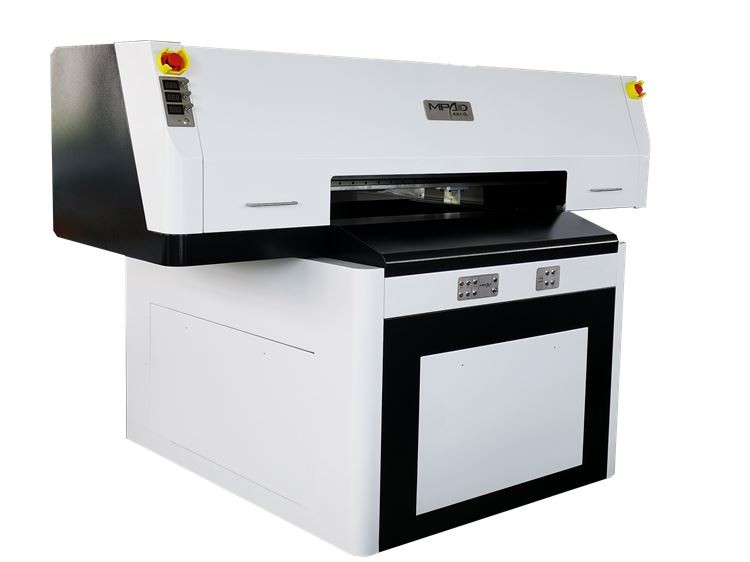
Types of Single Pass Inkjet Printer
Continuous Inkjet Printer
Continuous inkjet printers are one of the oldest and most widely used types of inkjet printers. It works by ejecting tiny droplets of ink onto the printing substrate as it passes through the printer. The printer head contains a nozzle that distributes ink in a controlled flow. The ink droplets are then subjected to an electric field, causing them to form a visible image on the substrate.
Drop-on-Demand Inkjet Printer
Drop-on-demand inkjet printers are one of the more modern types of inkjet printers that have become popular in recent years. It works by producing ink droplets that are ejected only when needed. The printer head contains a piezoelectric crystal that vibrates when an electric current is applied. This vibration causes the ink to eject from the nozzle in a controlled manner, resulting in high-quality prints.
UV Inkjet Printer
UV inkjet printer is a specialized type of inkjet printer used for printing on non-porous materials such as metal, plastic, glass, etc. It contains a special UV-curable ink that dries quickly when exposed to UV light. The printer head uses a high-powered UV light source to quickly cure the ink, creating a long-lasting image.
Hybrid Inkjet Printer
Hybrid inkjet printers are a combination of continuous inkjet printers and drop-on-demand inkjet printers. It uses both technologies to create high-quality prints that are efficient and cost-effective. The printer head contains two types of nozzles that can switch between printing modes as needed.
Parts of Single Pass Inkjet Printer
Print Head
This is the part of the printer that sprays ink droplets onto the paper. It consists of a nozzle plate containing hundreds of tiny nozzles and an ink chamber that houses the ink supply.
Ink Tank
This is the container that holds the ink. It is usually a removable unit that can be refilled or replaced when the ink runs out.
Ink Supply System
This system delivers ink from the cartridge to the printhead. It usually includes pumps, filters and piping systems.
Control Electronic Equipment
This part of the printer determines when and where to fire the ink droplets. It controls the timing and frequency of printhead ejections and ensures that ink droplets land accurately on the paper.
Paper Transport System
This system moves the paper through the printer. It usually includes motors, rollers, and guides to ensure that the paper is fed in a straight line and at a consistent speed.
Drying System
Since the ink used in single-pass inkjet printing is liquid, it needs to dry quickly after being sprayed onto the paper. Drying systems usually consist of heaters and fans that help evaporate the solvent in the ink and speed up the drying process.
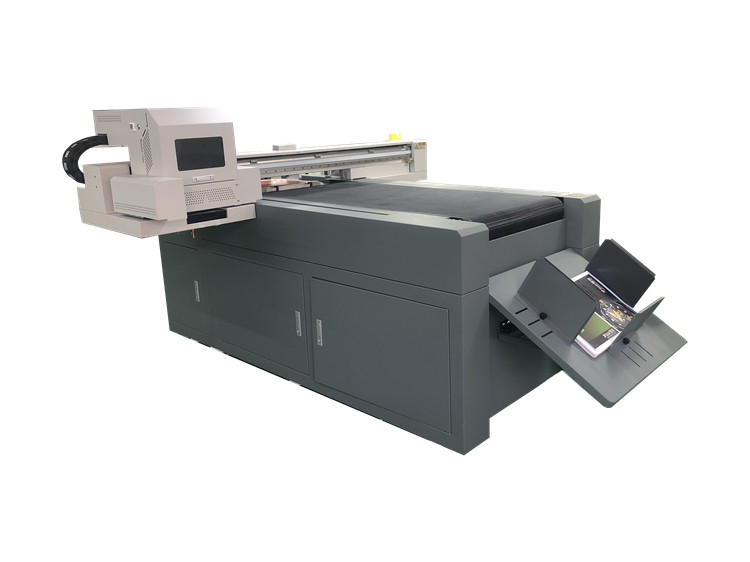
How to Choose Single Pass Inkjet Printer
Consider Your Printing Needs
The first step in choosing a single-pass inkjet printer is to determine your printing needs. Do you need to print high-volume, high-quality images or text? Will you print on a variety of media types? What is the maximum print width required? Answering these questions will help you narrow your search and find a printer that meets your requirements.
Check Printer Resolution
The resolution of your printer is an important factor to consider, especially if you need to produce high-quality graphics or photos. Resolution measures the number of dots per inch (dpi) a printer can produce. The higher the dpi, the better the print quality. However, higher resolution also increases the cost of the printer.
Find a Reliable Printer Brand
It is important to choose a reliable printer brand that has a good reputation for producing quality printers. You don’t want to spend your hard-earned money on a printer that constantly breaks down or produces mediocre print quality. Research different brands and read customer reviews to find out how satisfied they are.
Consider Ink Systems
Single pass inkjet printers use different ink systems such as dye-based, pigment-based or solvent-based. Dye inks are great for printing vibrant colors, while pigment inks produce more durable prints that won't fade as quickly. Solvent-based inks are suitable for outdoor printing.
Check Printer Speed
Single-pass inkjet printers are known for their high-speed printing capabilities. However, speeds vary by model. Consider the amount of printing you need to do each day and choose a printer that is fast enough to meet your printing requirements.
Looking For Extra Features
Some single-pass inkjet printers come with additional features such as automatic cutters, remote print management, and multiple paper trays. These features can make your printing process more efficient and convenient. Determine which features are critical to your workplace and look for a printer that delivers them.
Choose the Right Paper
One of the most important considerations when using an inkjet printer is the type of paper you use. For single-pass inkjet printers, it's best to use glossy or semi-glossy paper for best results. These papers are specially formulated to absorb ink and produce high-quality prints.
Load the Printer Correctly
You need to load the printer correctly before printing. Most single-pass inkjet printers have a rear paper tray that can hold up to 100 sheets of paper. Make sure you align the paper correctly in the paper tray and adjust the paper guides to fit the paper size.
Check Ink Levels
Regularly checking ink levels is important to ensure there is enough ink to complete your print job. Single-pass inkjet printers use a combination of black and color ink cartridges, which need to be replaced when they are empty. You can check the ink levels through the printer's software or by looking at the printer's display panel.
Adjust Print Settings
Before printing, it is important to adjust the print settings to get the desired results. Most printers allow you to adjust settings such as paper size, print quality, and color settings. Make sure to select the appropriate settings for your print job to ensure the final product meets your expectations.
Start Printing
After loading paper, checking ink levels, and adjusting print settings, you're ready to print. Single-pass inkjet printers are typically very fast and can easily print high-quality images and text. Make sure to monitor the printing process to ensure there are no paper jams or other issues that could affect the final product.
Regular Cleaning
Dirt and ink residue can build up over time, affecting print quality and potentially damaging your printer. Clean the printer regularly using a lint-free cloth and recommended cleaning solution. Avoid using harsh chemicals as they can damage the printer's components.
Cover the Printer
Always cover the printer when not in use to prevent dust and debris from entering the machine. This step goes a long way in keeping your printer running efficiently.
Use High Quality Ink
Using low-quality ink can cause the printer to clog, resulting in poor print quality and damage to printer components. Using high-quality ink cartridges can extend the life of your printer and improve print quality.
Replace Worn Parts
Single-pass inkjet printers have many moving parts that are subject to wear and tear over time. Regularly replace all worn parts, especially the print head, for optimal print quality.
Store Ink Cartridges Correctly
Store the ink cartridge in a dry, cool place away from direct sunlight. Exposure to heat and light can cause the ink to dry out, resulting in poor print quality and damage to the printer.
Keep Your Printer Up to Date
Keep your printer's software and firmware up to date to ensure optimal performance. Manufacturers frequently release updates to improve functionality and resolve known issues.
Applications of Single Pass Inkjet Printer
Printing Industry
Single-pass inkjet printers have become the most commonly used printing technology. By using single-pass inkjet technology, we can provide advertising agencies, manufacturers and other printing industries with higher-speed printing and faster response times. Single pass inkjet printers are essential equipment when it comes to manufacturing posters, papers, billboards, signs, light boxes, etc.
Packaging Industry
Single-pass inkjet printers are also widely used in the packaging industry. It can print text, images, barcodes, etc. on different types of packaging to help distributors with labeling and classification. Single-pass inkjet printers are particularly suitable for short-run production processes because their printing speeds exceed those of traditional screen printing and digital printing machines.
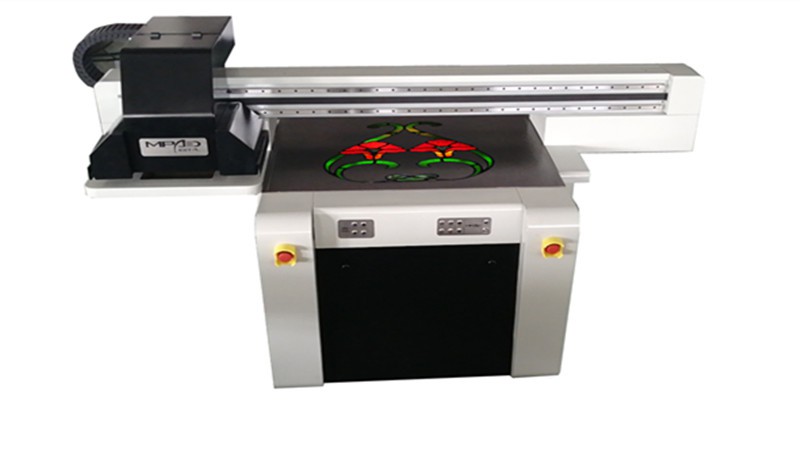
Electronic Product Manufacturing
Single-pass inkjet printers are also widely used in electronic product manufacturing. It can print images, text and symbols on circuit boards, thereby reducing the rate of defective products during the production process. This technology is based on temperature and time control of the ink, allowing it to print high-quality images using various types of materials.
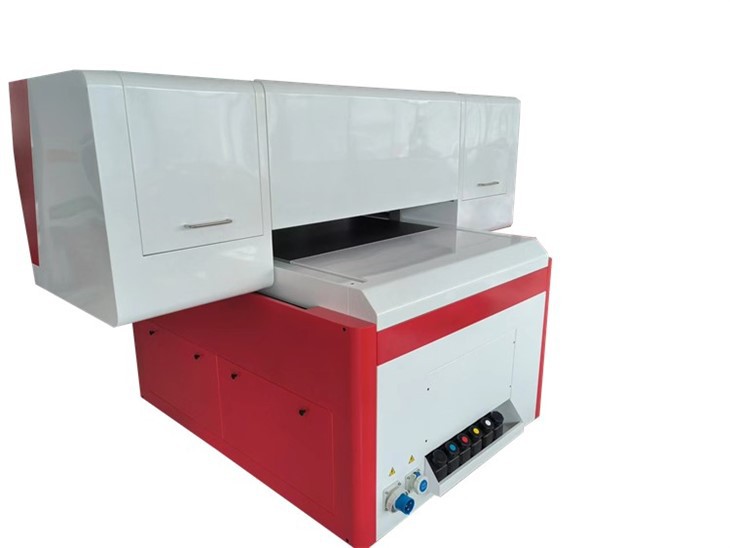
Textile Industry
Inkjet printers are also used for printing in the textile industry. Single-pass inkjet printers can print designs, text and graphics during the manufacturing process without using traditional screen printing. It works especially well on spandex and fabrics, allowing for fast printing without compromising quality.
Certificate

Frequently Asked Questions
Q: What is a single pass inkjet printer?
Q: How does it differ from a traditional inkjet printer?
Q: Are single pass inkjet printers more cost-effective than traditional printers?
Q: What types of materials can single pass inkjet printers print on?
Q: How fast can a single pass inkjet printer operate?
Q: Can a single pass inkjet printer print high-quality images and text?
Q: What are the advantages of using a single pass inkjet printer?
Q: How does the ink delivery system work in a single pass inkjet printer?
Q: Are there any limitations to single pass inkjet printers?
Q: What are the maintenance requirements for a single pass inkjet printer?
Q: Are there any environmental concerns associated with using a single pass inkjet printer?
Q: How much ink does a single pass inkjet printer consume?
Q: Are single pass inkjet printers compatible with different types of ink cartridges?
Q: Can a single pass inkjet printer print on irregularly shaped objects?
Q: What are the color options available for a single pass inkjet printer?
Q: Can a single pass inkjet printer perform double-sided printing?
Q: What is the print resolution of a single pass inkjet printer?
Q: How long does it take to set up and install a single pass inkjet printer?
Q: Are single pass inkjet printers suitable for large-scale printing projects?
Q: What are the key features to look for in a single pass inkjet printer?
As one of the leading single pass inkjet printer suppliers in China, we warmly welcome you to buy high-grade single pass inkjet printer for sale here from our factory. All our products are with high quality and competitive price. Contact us for more details.
Digital Hot varnish Foil Machine, 6090 uv flatbed printer, best uv printer for phone cases