
As a supplier of UV flatbed printers, I'm often asked whether these machines can print on irregular surfaces. This question is not only relevant to the technical capabilities of the printers but also to the diverse needs of our customers. In this blog, I'll delve into the topic, exploring the potential and limitations of UV flatbed printers when it comes to printing on irregular surfaces.
Understanding UV Flatbed Printers
Before we discuss printing on irregular surfaces, let's briefly understand what UV flatbed printers are. UV flatbed printers are a type of digital printing technology that uses ultraviolet (UV) light to cure or dry the ink instantly as it is printed onto a substrate. This technology offers several advantages, including high - resolution printing, fast production speeds, and the ability to print on a wide range of materials.
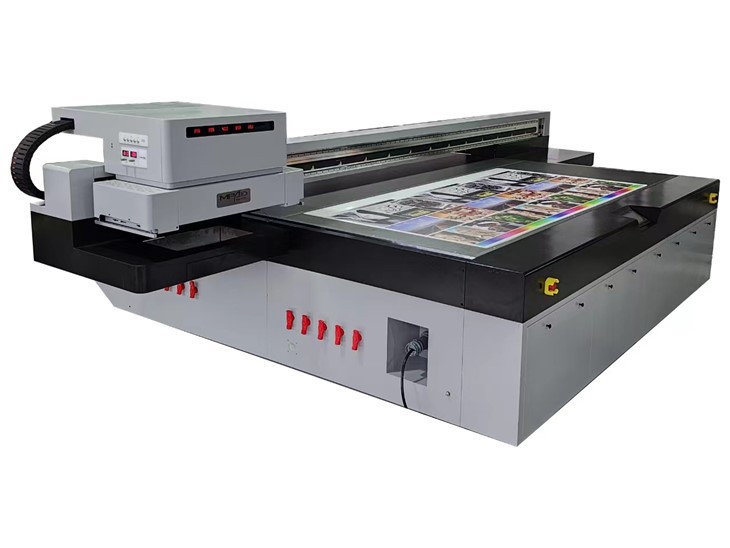
The UV Flatbed Machine is designed to print on flat surfaces, as the name suggests. It typically consists of a printhead that moves across the surface of the material, depositing ink droplets in a precise pattern. The UV light then cures the ink, ensuring a durable and vibrant print.
Challenges of Printing on Irregular Surfaces
Irregular surfaces present a unique set of challenges for UV flatbed printers. One of the main issues is the uneven distance between the printhead and the surface. In a flatbed printer, the printhead is calibrated to maintain a consistent distance from the substrate to ensure accurate printing. When the surface is irregular, this distance can vary, leading to problems such as inconsistent ink deposition, blurring, or even damage to the printhead.
Another challenge is the surface texture. Irregular surfaces may have bumps, ridges, or depressions that can disrupt the flow of ink. The ink may not adhere properly to the surface, resulting in a patchy or incomplete print. Additionally, the surface may absorb the ink differently in different areas, affecting the color and quality of the print.
Overcoming the Challenges
Despite these challenges, there are ways to make UV flatbed printers work on irregular surfaces. One approach is to use a flexible printhead. Some advanced UV flatbed printers are equipped with printheads that can adjust their height or angle to accommodate uneven surfaces. These printheads use sensors to detect the distance between the printhead and the surface and make real - time adjustments to ensure a consistent print quality.
Another solution is to use a custom - made fixture or jig. A fixture can hold the irregular object in place and provide a stable surface for printing. This can help to minimize the movement of the object during printing and ensure that the printhead maintains a consistent distance from the surface. For example, if you want to print on a spherical object like a UV Printer Golf Balls, a custom - made fixture can hold the ball in place and rotate it slowly during printing to ensure complete coverage.
In addition, the choice of ink and coating can also play a crucial role in printing on irregular surfaces. Specialized UV inks are available that are designed to adhere better to rough or uneven surfaces. These inks have a higher viscosity and better wetting properties, which help them to spread evenly and adhere to the surface. Coatings can also be applied to the surface before printing to improve ink adhesion and protect the print from wear and tear.
Applications of Printing on Irregular Surfaces
Printing on irregular surfaces opens up a wide range of applications. In the automotive industry, UV flatbed printers can be used to print logos, graphics, or instructions on irregularly shaped parts such as dashboards, door panels, and engine covers. In the jewelry industry, printers can add personalized designs or markings to rings, bracelets, and other jewelry items.
The sports industry also benefits from this technology. As mentioned earlier, UV Printer Golf Balls can be printed with custom logos or designs, adding a personal touch to the game. In the consumer goods industry, printers can be used to print on items such as phone cases, bottles, and toys, enhancing their visual appeal and brand value.
Our Digital UV Flatbed Printer Solution
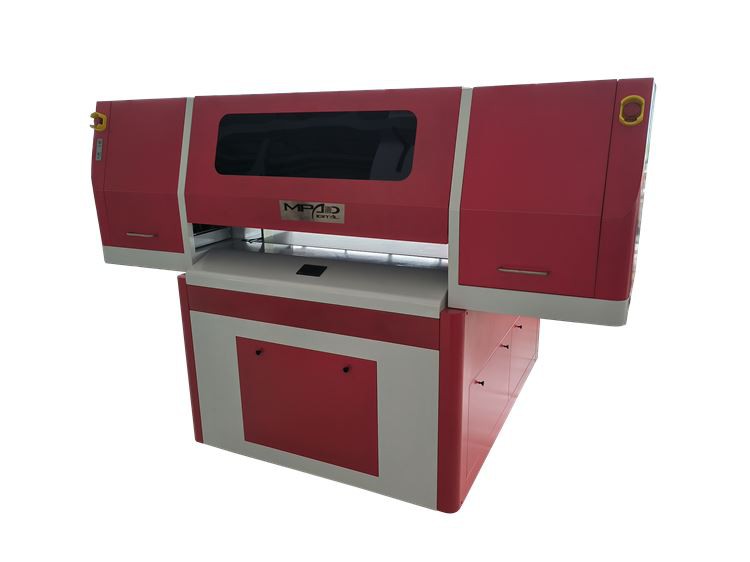
At our company, we offer a range of Digital UV Flatbed Printer that are designed to handle irregular surfaces. Our printers are equipped with advanced technology that allows for precise adjustment of the printhead height and angle. We also provide custom - made fixtures and jigs to ensure that your irregular objects are held securely during printing.
In addition, we offer a variety of specialized UV inks and coatings that are formulated to provide excellent adhesion and durability on irregular surfaces. Our technical support team is always available to assist you with any questions or challenges you may encounter during the printing process.
Conclusion
While printing on irregular surfaces with a UV flatbed printer presents some challenges, it is definitely possible with the right technology and approach. Our UV flatbed printers, combined with our expertise in handling irregular surfaces, offer a reliable solution for a wide range of applications.
If you are interested in exploring the possibilities of printing on irregular surfaces with our UV flatbed printers, we encourage you to contact us. Our team of experts will be happy to discuss your specific needs and provide you with a customized solution. Whether you are a small business looking to add a unique touch to your products or a large corporation in need of high - volume printing on irregular parts, we have the experience and technology to meet your requirements. Let's start a conversation and see how we can help you achieve your printing goals.
References
- "Digital Printing Technology" by John Doe
- "UV Inkjet Printing: Principles and Applications" by Jane Smith
- Industry reports on UV flatbed printing technology