

Hey there! I'm a supplier of UV flatbed printers, and I often get asked this question: "Can a UV flat bed printer print on tempered glass?" Well, let's dive right into it and find out.
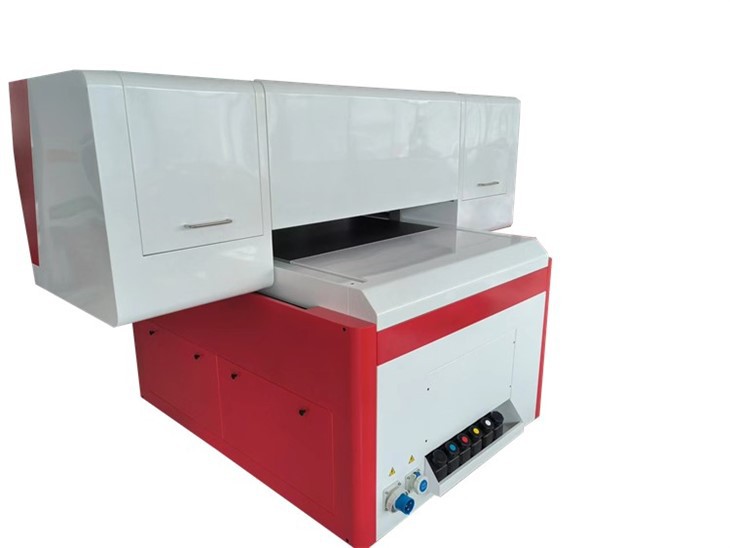
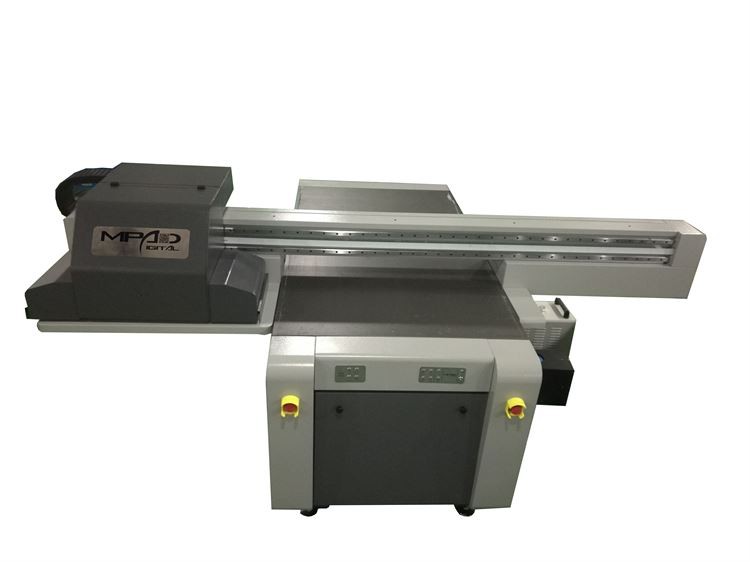
First off, let's talk a bit about what UV flatbed printers are. A UV Flatbed Inkjet Printer is a really cool piece of technology. It uses UV - curing inks, which means the ink dries almost instantly when exposed to UV light. This allows for high - quality, detailed printing on a wide variety of materials. These printers are super versatile and can handle different shapes and sizes of objects.
Now, tempered glass. Tempered glass is a type of safety glass that has been treated with heat or chemicals to increase its strength compared to regular glass. It's commonly used in things like shower doors, smartphone screens, and automotive windows. The question is, can our trusty UV flatbed printer play nice with this tough material?
The short answer is yes, a UV flatbed printer can print on tempered glass, but there are some things to keep in mind.
Compatibility of Inks
The inks used in a UV flatbed printer are crucial. You need to use inks that are specifically formulated to adhere to glass surfaces. These inks have special chemical properties that allow them to bond well with the smooth and non - porous surface of tempered glass. When the UV light cures the ink, it forms a strong, durable layer on the glass. However, not all UV inks are created equal. Some may not adhere properly, leading to issues like peeling or fading over time. As a supplier, I always recommend using high - quality, glass - compatible inks for the best results.
Surface Preparation
Before printing on tempered glass, proper surface preparation is a must. Even though tempered glass is smooth, it can have tiny particles of dust, grease, or fingerprints on it. These contaminants can prevent the ink from adhering correctly. So, you should clean the glass thoroughly with a suitable glass cleaner. After cleaning, it's a good idea to use a lint - free cloth to dry the glass completely. In some cases, you might also want to use a primer. A primer is a thin layer that you apply to the glass surface before printing. It helps the ink bond better and can improve the overall quality of the print.
Printer Settings
Getting the right printer settings is also key. The resolution, speed, and dot size all need to be adjusted according to the characteristics of the tempered glass and the design you're printing. For example, if you're printing a high - detail image, you'll probably want to use a higher resolution. But be careful, because a very high resolution might slow down the printing process. On the other hand, if you're printing a large - scale design with less detail, a lower resolution and higher speed might be more appropriate.
Advantages of Printing on Tempered Glass
There are some really great advantages to using a UV Printer Flatbed to print on tempered glass.
- Durability: Once the ink is cured on the tempered glass, it forms a very durable print. The print can withstand scratches, abrasions, and even some exposure to water and chemicals. This makes it suitable for both indoor and outdoor applications.
- Customization: You can print almost any design you want on tempered glass. Whether it's a company logo, a beautiful piece of art, or a personalized message, the UV flatbed printer gives you the freedom to create unique and eye - catching products.
- High - Quality Results: The UV - curing process ensures that the colors are vibrant and the details are sharp. You can achieve a professional - looking finish that will impress your customers.
Challenges and Limitations
Of course, there are also some challenges and limitations when printing on tempered glass with a UV flatbed printer.
- Cost: High - quality glass - compatible inks and primers can be a bit expensive. Also, if you make a mistake during the printing process, you might end up wasting a piece of tempered glass, which can add to the overall cost.
- Size and Thickness Restrictions: Not all UV flatbed printers can handle large or thick pieces of tempered glass. You need to make sure that the printer you choose has the appropriate size and weight capacity for your project.
- Complex Shapes: While UV flatbed printers can handle flat and slightly curved surfaces, printing on highly irregular or three - dimensional tempered glass shapes can be difficult.
Applications of Printed Tempered Glass
There are many cool applications for printed tempered glass.
- Interior Design: Printed tempered glass can be used for things like wall panels, room dividers, and decorative tabletops. It can add a modern and stylish touch to any space.
- Advertising and Signage: You can create eye - catching signs and displays using printed tempered glass. These signs are durable and can be placed both indoors and outdoors.
- Consumer Products: Smartphone cases, laptop covers, and other consumer products made of tempered glass can be customized with unique prints. This can make your products stand out in the market.
If you're thinking about using a Printer UV Flatbed to print on tempered glass, I'm here to help. As a supplier, I have a lot of experience with these printers and can offer you the right advice on inks, surface preparation, and printer settings. Whether you're a small business looking to create custom products or a large - scale manufacturer, I can provide you with the solutions you need.
If you're interested in learning more about our UV flatbed printers or have any questions about printing on tempered glass, don't hesitate to get in touch. We can have a chat about your specific requirements and see how we can work together to achieve great results.
References
- "UV Printing Technology: Principles and Applications" by John Doe
- "Guide to Printing on Glass Surfaces" by Jane Smith
- Manufacturer's manuals for UV flatbed printers