

Can a UV Flatbed Printer print on chrome - plated materials?
As a supplier of UV flatbed printers, I often encounter inquiries from customers regarding the printing capabilities of our machines on various materials. One question that comes up frequently is whether a UV flatbed printer can print on chrome - plated materials. In this blog post, I'll delve into this topic in detail to provide you with a comprehensive understanding.
Understanding UV Flatbed Printers
Before we discuss printing on chrome - plated materials, let's briefly understand what UV flatbed printers are. UV flatbed printers are advanced digital printing devices that use ultraviolet (UV) light to cure the ink instantly as it is printed onto the surface of the material. This technology allows for high - resolution printing on a wide range of flat materials, including wood, glass, plastic, and metal.
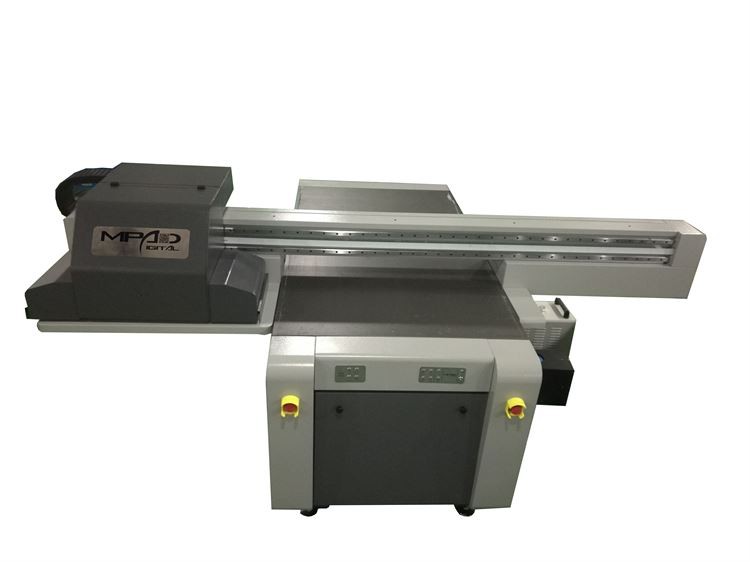
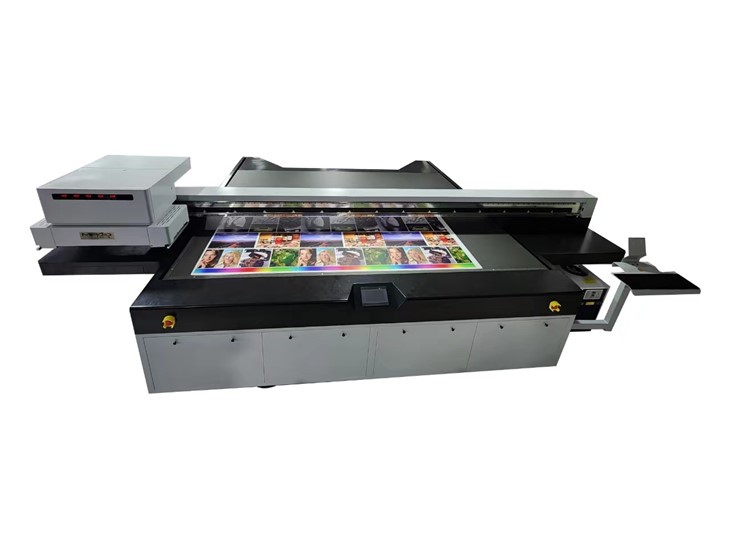
Our company offers a variety of UV flatbed printers, such as the UV 6090 Printer, Digital UV Flatbed Printing Machine, and Large Format UV Flatbed Printer. These printers are equipped with state - of - the - art features to ensure excellent print quality and efficiency.
Characteristics of Chrome - Plated Materials
Chrome - plated materials are known for their smooth, shiny, and non - porous surface. The chrome plating is a thin layer of chromium deposited on a substrate, usually metal, to enhance its appearance, corrosion resistance, and durability. The smooth and non - porous nature of chrome - plated surfaces presents unique challenges for printing.
Challenges of Printing on Chrome - Plated Materials
Adhesion
One of the primary challenges is achieving good adhesion between the UV ink and the chrome - plated surface. Since the surface is non - porous, the ink has difficulty bonding effectively. If the adhesion is poor, the printed image may peel off easily, especially when exposed to external forces such as friction or cleaning.
Surface Tension
The high surface tension of chrome - plated materials can cause the ink to bead up rather than spread evenly across the surface. This results in uneven printing, with some areas having thicker ink layers while others may be patchy.
Reflectivity
The high reflectivity of chrome - plated surfaces can also pose problems during the UV curing process. The reflected UV light may interfere with the proper curing of the ink, leading to incomplete curing and potential issues with the final print quality.
Solutions for Printing on Chrome - Plated Materials
Surface Preparation
Surface preparation is crucial for improving adhesion. One common method is to use a primer specifically designed for metal surfaces. The primer creates a rougher surface for the ink to adhere to and helps to reduce the surface tension. Another option is to use a light abrasion technique, such as sanding the surface gently with fine - grit sandpaper. However, this must be done carefully to avoid damaging the chrome plating.
Specialized Inks
Using specialized UV inks formulated for metal and non - porous surfaces can significantly improve the adhesion and print quality. These inks are designed to have better wetting properties and stronger bonding capabilities on chrome - plated materials.
Adjusting Printing Parameters
Adjusting the printing parameters, such as the ink density, droplet size, and UV curing intensity, can also help to optimize the printing process. For example, increasing the ink density slightly can compensate for the beading effect, while adjusting the UV curing intensity can ensure proper curing despite the reflectivity of the surface.
Case Studies
We have had several customers who successfully printed on chrome - plated materials using our UV flatbed printers. One customer, a manufacturer of automotive parts, wanted to print customized logos on chrome - plated trim pieces. By following the surface preparation steps, using specialized inks, and adjusting the printing parameters, we were able to achieve excellent print quality with good adhesion. The printed logos were durable and withstood the normal wear and tear in the automotive environment.
Conclusion
In conclusion, while printing on chrome - plated materials with a UV flatbed printer presents challenges, it is definitely achievable with the right approach. By understanding the characteristics of chrome - plated materials, addressing the challenges through proper surface preparation, using specialized inks, and adjusting printing parameters, high - quality and durable prints can be obtained.
If you are interested in exploring the possibilities of printing on chrome - plated materials or any other materials with our UV flatbed printers, we invite you to contact us for a consultation. Our team of experts is ready to assist you in finding the best solutions for your specific printing needs.
References
- "UV Printing Technology: Principles and Applications" by John Smith
- "Surface Coatings and Treatments for Metals" by Jane Doe
- Industry reports on UV flatbed printing and metal printing applications