

Hey there! As a supplier of UV Roll Printers, I often get asked all sorts of questions about what these machines can and can't do. One question that pops up quite a bit is, "Can a UV Roll Printer print on rubber rolls?" Well, let's dive right into this topic and find out.
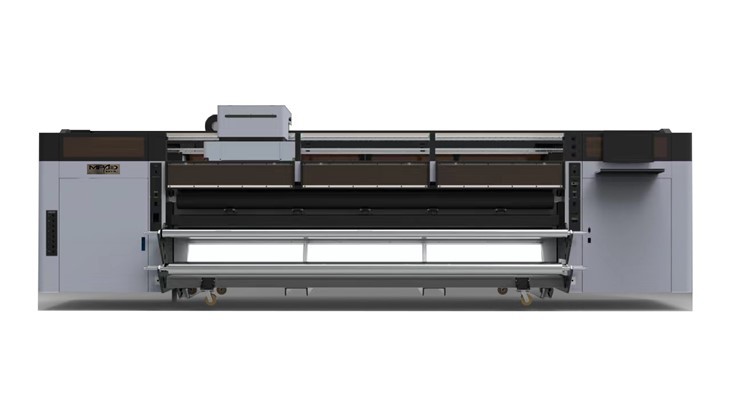
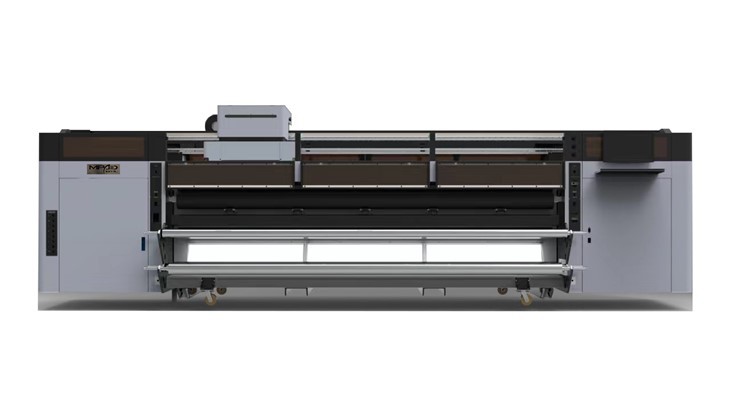
First off, let's talk a bit about what UV Roll Printers are. These bad boys are pretty cool pieces of tech. They're designed to print on all kinds of roll - based materials. You can use them for things like printing high - quality graphics on vinyl banners, wallpapers, and all sorts of other flexible materials. You can check out our Roll Digital Printing Machine and Printer UV Roll To Roll for more details on the types of printers we offer.
Now, back to the main question: printing on rubber rolls. Rubber rolls are a bit different from the typical materials you'd print on with a UV Roll Printer. Rubber has its own set of properties that can either make printing a breeze or a real headache.
One of the key factors is the surface texture of the rubber. Some rubber rolls have a smooth surface, which is great for printing. A smooth surface allows the UV inks to adhere properly. When the inks can stick well, you get a clear, sharp print. The UV light used in these printers then cures the inks quickly, creating a durable print that can withstand a bit of wear and tear.
On the other hand, if the rubber has a rough or porous surface, it can be more challenging. The inks might not spread evenly, and you could end up with a blotchy or faded print. In some cases, the inks might not adhere at all. But don't worry, there are ways to deal with this.
We can use special primers on the rubber surface. These primers help the inks to stick better. They create a kind of middle layer between the rubber and the ink. It's like putting on a coat of paint before you start a big art project. The primer fills in the small gaps and unevenness on the rubber surface, giving the ink a smoother surface to stick to.
Another important thing to consider is the flexibility of the rubber. Rubber is known for being flexible, and that's both a good and a bad thing. When the printer is moving the rubber roll through the printing process, the flexibility can cause the roll to shift or stretch. This can lead to misaligned prints or distorted images. To combat this, we need to make sure the printer has a good tension control system. A proper tension control system keeps the rubber roll in place and moving at a consistent speed. This ensures that the print comes out just right.
The type of rubber also matters. There are different kinds of rubber, like natural rubber and synthetic rubber. Natural rubber might have different chemical properties compared to synthetic rubber. Some synthetic rubbers are more resistant to chemicals, which can affect how the UV inks interact with them. So, before you start printing on a rubber roll, it's a good idea to do a small test print. This way, you can see how the inks react with the specific type of rubber you're using.
Let's talk about the advantages of using a UV Roll Printer to print on rubber rolls. One of the biggest advantages is the speed. These printers can print at a relatively fast pace, which means you can get a large number of rubber rolls printed in a short amount of time. This is great for businesses that need to produce a lot of rubber products with custom prints, like rubber mats with company logos or rubber seals with specific markings.
The quality of the print is also top - notch. UV inks are known for their vibrant colors and high - resolution prints. You can get really detailed and sharp images on the rubber rolls. Whether it's a simple text or a complex graphic, the printer can reproduce it accurately.
Now, let's look at some of the limitations. As I mentioned earlier, the surface texture and flexibility of the rubber can be a problem. Also, the cost of the special primers and the testing process can add up. If you're printing on a small number of rubber rolls, it might be a bit more expensive compared to other printing methods.
But overall, with the right techniques and equipment, a UV Roll Printer can definitely print on rubber rolls. Our Roll To Roll UV Printer is designed to handle a variety of materials, including rubber rolls, with the proper adjustments.
If you're thinking about using a UV Roll Printer to print on rubber rolls for your business, there are a few steps you should take. First, do your research on the type of rubber you'll be using. Find out its properties and how it might interact with the UV inks. Second, test the printer with a small sample of the rubber roll. This will help you figure out any issues before you start a large - scale printing project.
If you have any questions or need more information about using our UV Roll Printers to print on rubber rolls, don't hesitate to reach out. We're here to help you make the most of your printing projects. Whether you're a small business looking to add some custom prints to your rubber products or a large - scale manufacturer, we've got the solutions for you.
In conclusion, a UV Roll Printer can print on rubber rolls, but it requires some knowledge and the right approach. With the right setup and a bit of experimentation, you can achieve great results. So, if you're interested in exploring this option for your business, let's have a chat and see how we can work together.
References
- General knowledge on UV printing technology
- Experience from handling various printing projects with UV Roll Printers