

In the dynamic world of printing technology, the capabilities of printers are constantly evolving to meet diverse industry needs. One common question that often arises among printing professionals and enthusiasts is whether a UV varnish printer can print on PVC. As a supplier of UV varnish printers, I am well - versed in the intricacies of this technology and am excited to share insights on this topic.
Understanding UV Varnish Printers
Before delving into the question of printing on PVC, it's essential to understand what a UV varnish printer is. A UV Varnish Printer is a specialized piece of equipment that uses ultraviolet (UV) light to cure or dry the varnish applied to a substrate. This technology offers several advantages over traditional printing methods, including faster drying times, improved durability, and the ability to create high - gloss or matte finishes.
UV varnish printers work by spraying a liquid varnish onto the substrate through inkjet nozzles. Immediately after application, UV lamps emit ultraviolet light, which causes the varnish to polymerize and harden almost instantaneously. This process not only speeds up the production process but also results in a more precise and consistent finish.
Characteristics of PVC
PVC, or polyvinyl chloride, is a widely used plastic material known for its versatility, durability, and affordability. It comes in various forms, including rigid sheets, flexible films, and foam boards, and is commonly used in signage, packaging, and interior decoration.
One of the key characteristics of PVC is its smooth and non - porous surface. This can pose challenges for traditional printing methods, as inks may not adhere properly or may take a long time to dry. Additionally, PVC can be sensitive to heat and chemicals, which means that the printing process must be carefully controlled to avoid damage to the material.
Can a UV Varnish Printer Print on PVC?
The short answer is yes, a UV varnish printer can print on PVC. However, several factors need to be considered to ensure successful printing.
Adhesion
One of the primary concerns when printing on PVC is ensuring proper adhesion of the varnish. The smooth and non - porous surface of PVC can make it difficult for the varnish to bond effectively. To overcome this issue, some UV varnish printers are equipped with pre - treatment systems that can etch or prime the PVC surface before printing. This creates a rougher surface for the varnish to adhere to, improving adhesion and print quality.
In addition, the type of varnish used also plays a crucial role in adhesion. Specialized UV varnishes are available that are formulated to bond well with PVC. These varnishes often contain additives that enhance adhesion and flexibility, ensuring that the print remains intact even when the PVC is bent or flexed.
Compatibility
Another important factor is the compatibility of the UV varnish with the PVC material. Some PVC products may contain additives or stabilizers that can react with the varnish, causing discoloration, cracking, or other forms of damage. It's essential to test the varnish on a small sample of the PVC material before starting a large - scale printing project to ensure compatibility.
Drying and Curing
As mentioned earlier, UV varnish printers use ultraviolet light to cure the varnish. However, the curing process may need to be adjusted when printing on PVC. PVC has a relatively low heat resistance, and excessive heat from the UV lamps can cause the material to warp or melt. Therefore, the intensity and duration of the UV light exposure need to be carefully controlled to ensure that the varnish cures properly without damaging the PVC.
Advantages of Printing on PVC with a UV Varnish Printer
Despite the challenges, there are several advantages to using a UV varnish printer to print on PVC.
High - Quality Finishes
UV varnish printers can create a wide range of finishes on PVC, including high - gloss, matte, and textured effects. These finishes not only enhance the visual appeal of the printed material but also provide additional protection against scratches, abrasion, and UV radiation.
Durability
The UV - cured varnish forms a hard and durable layer on the PVC surface, making the print resistant to fading, smudging, and water damage. This makes PVC prints suitable for both indoor and outdoor applications, such as signage, banners, and promotional displays.
Versatility
UV varnish printers can print on various types of PVC, including rigid sheets, flexible films, and foam boards. This versatility allows for a wide range of applications, from small - scale labels to large - format signage.
Applications of UV Varnish Printing on PVC
The ability to print on PVC with a UV varnish printer opens up a wide range of applications in different industries.
Signage and Display
PVC is a popular material for signage due to its durability and affordability. UV varnish printing can add a professional and eye - catching finish to PVC signs, making them stand out in crowded environments. Whether it's a storefront sign, a trade show display, or a directional sign, UV varnish printing can enhance the visibility and longevity of the signage.
Packaging
In the packaging industry, PVC is commonly used for blister packs, clamshells, and labels. UV varnish printing can be used to add branding, product information, and decorative elements to PVC packaging. The high - gloss finish can also make the packaging more attractive to consumers, increasing the product's shelf appeal.
Interior Decoration
PVC is also used in interior decoration, such as wall panels, ceiling tiles, and furniture. UV varnish printing can be used to create custom - printed designs on PVC surfaces, adding a unique and personalized touch to interior spaces.
Other Related Printing Technologies
In addition to UV varnish printing, there are other related printing technologies that can be used in conjunction with PVC printing. UV Spot Varnish Printing is a technique that allows for the selective application of varnish to specific areas of the print. This can be used to create highlights, textures, or special effects on PVC signage or packaging.
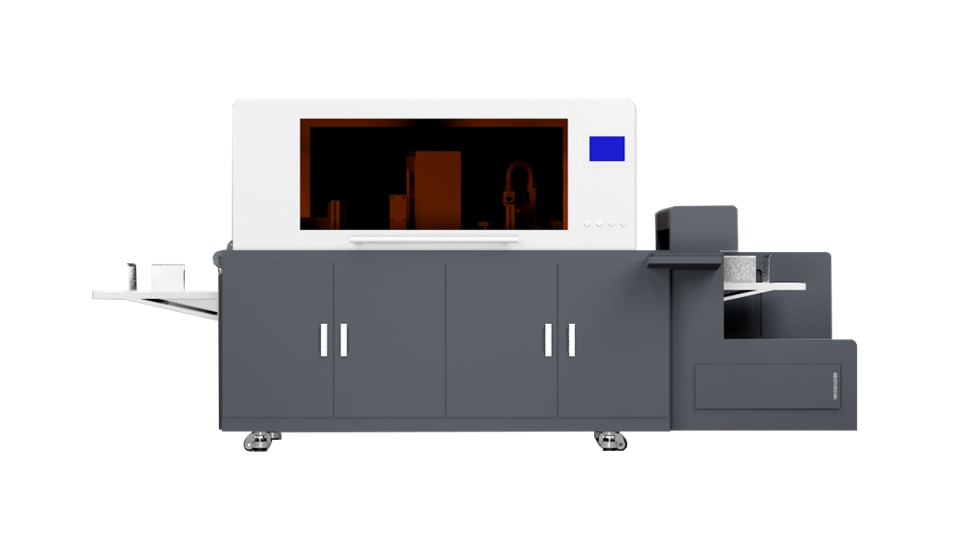
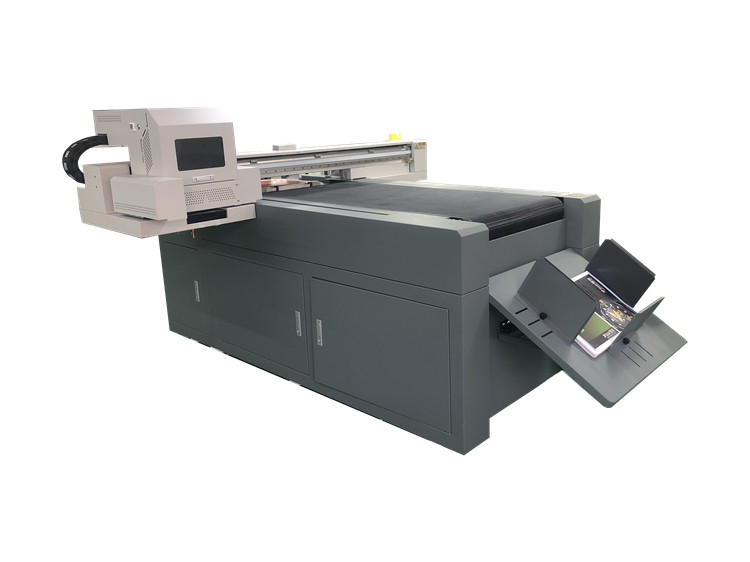
Another technology is Digital Foiling Printing Machine. Digital foiling can add a luxurious and metallic finish to PVC prints, making them more visually appealing. By combining these technologies, printers can offer a wider range of creative options to their customers.
Conclusion
In conclusion, a UV varnish printer can indeed print on PVC, offering a range of benefits such as high - quality finishes, durability, and versatility. However, to ensure successful printing, factors such as adhesion, compatibility, and drying need to be carefully considered.
If you are in the market for a UV varnish printer or have questions about printing on PVC, I encourage you to reach out to us. Our team of experts can provide you with more information, offer technical support, and help you find the best solution for your printing needs. Whether you are a small - scale business looking to enhance your signage or a large - scale manufacturer in need of high - volume PVC printing, we are here to assist you. Start a conversation with us today to explore the possibilities of UV varnish printing on PVC.
References
- "UV Printing Technology: Principles and Applications" by John Smith
- "PVC Materials: Properties and Applications" by Jane Doe
- Industry reports from leading printing and plastics associations