
As a supplier of top UV printers, I've witnessed firsthand the evolution of printing technology and the ongoing debate between UV printers and laser printers, especially when it comes to printing quality. In this blog, I'll delve into a detailed comparison of these two types of printers, highlighting their strengths and weaknesses in terms of printing quality.
Understanding the Basics
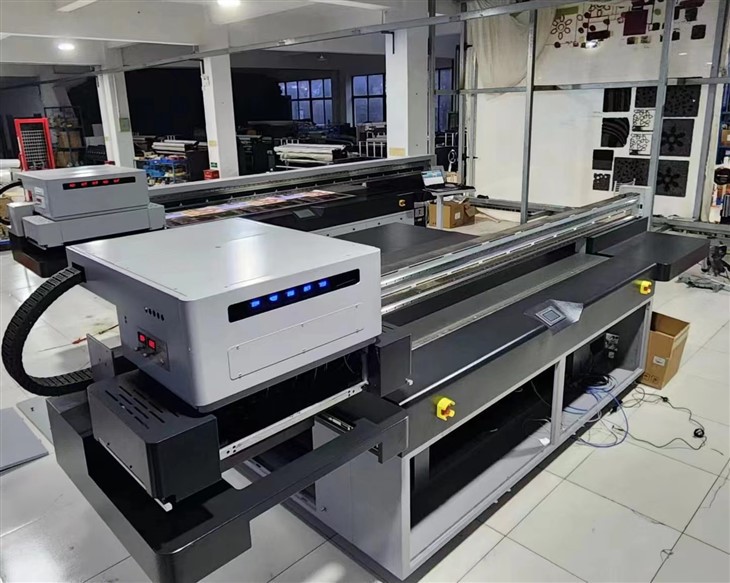
Before we dive into the comparison, let's briefly understand how UV printers and laser printers work. UV printers use ultraviolet (UV) light to cure or dry the ink as it is printed onto the surface. This process allows for printing on a wide range of materials, including plastics, glass, metal, and wood. On the other hand, laser printers use a laser beam to create an electrostatic image on a drum, which then attracts toner particles. The toner is transferred onto the paper and fused using heat.
Color Accuracy and Vibrancy
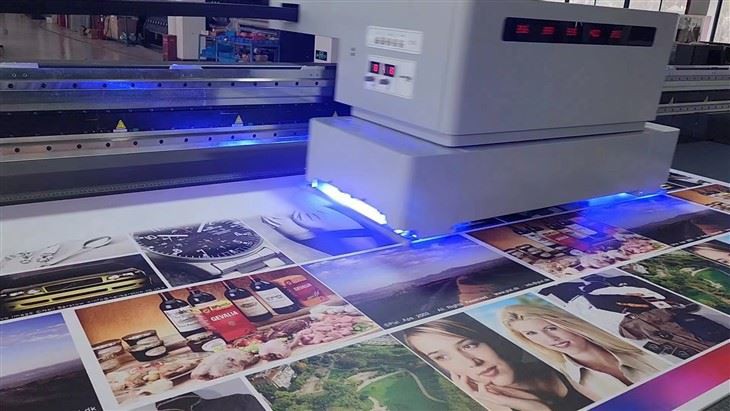
One of the most significant factors in printing quality is color accuracy and vibrancy. Top UV printers excel in this area, offering a wide color gamut that can reproduce even the most vivid and complex colors with high precision. The UV curing process ensures that the colors remain sharp and vibrant over time, without fading or bleeding. This makes UV printers ideal for applications where color accuracy is crucial, such as printing high-quality graphics, photographs, and promotional materials.
In contrast, laser printers typically have a more limited color gamut, especially when compared to high-end UV printers. While laser printers can produce good-quality color prints, they may struggle to match the vibrancy and accuracy of UV printers, particularly when it comes to printing bright or saturated colors. Additionally, the heat used in the fusing process can sometimes cause the colors to appear slightly dull or washed out.
Resolution and Detail
Another important aspect of printing quality is resolution and detail. Top UV printers are capable of producing extremely high-resolution prints, with some models offering resolutions of up to 2400 dpi (dots per inch). This high resolution allows for the reproduction of fine details, sharp edges, and smooth gradients, resulting in prints that are both visually appealing and professional-looking.
Laser printers also offer high-resolution printing, with most models capable of producing prints at 600 dpi or higher. However, when it comes to printing fine details and complex graphics, UV printers generally have an edge. The UV curing process allows for more precise control over the ink deposition, resulting in prints that are crisper and more detailed.
Durability and Resistance
In many applications, durability and resistance are key considerations. Top UV printers are known for their excellent durability, as the UV curing process creates a hard, scratch-resistant surface that can withstand wear and tear. This makes UV printers ideal for printing on products that will be exposed to harsh environments, such as outdoor signage, industrial labels, and promotional items.
Laser printers, on the other hand, are typically designed for printing on paper and other porous materials. While the prints produced by laser printers can be relatively durable, they may not be as resistant to scratching, fading, or water damage as prints produced by UV printers. Additionally, the heat used in the fusing process can sometimes cause the paper to become brittle over time, reducing its durability.
Printing on Different Materials
One of the major advantages of top UV printers is their ability to print on a wide range of materials. Unlike laser printers, which are primarily designed for printing on paper, UV printers can print on almost any flat or curved surface, including plastics, glass, metal, wood, and ceramics. This versatility makes UV printers a popular choice for a variety of industries, including advertising, signage, packaging, and manufacturing.
For example, if you're in the golf industry, you can use a UV Printer Golf Balls to print custom logos, designs, or messages on golf balls. This allows you to create unique and personalized products that stand out from the competition. Similarly, if you're in the advertising industry, you can use a Small Format Flatbed Printer to print high-quality graphics and signage on a variety of materials, including acrylic, PVC, and foam board.
Cost and Efficiency
When it comes to cost and efficiency, both UV printers and laser printers have their own advantages and disadvantages. Top UV printers tend to be more expensive upfront than laser printers, especially for high-end models with advanced features and capabilities. However, UV printers can offer significant cost savings in the long run, as they require less maintenance and have lower operating costs.
The UV curing process used in UV printers is also more energy-efficient than the heat fusing process used in laser printers, which can result in lower energy bills over time. Additionally, UV printers can print on a wider range of materials, which can reduce the need for multiple printing processes and equipment.
Laser printers, on the other hand, are generally more affordable upfront, especially for basic models. They also tend to have lower operating costs, as they use toner cartridges instead of ink, which can be less expensive to replace. However, laser printers may not be as versatile as UV printers, as they are primarily designed for printing on paper.
Conclusion
In conclusion, both top UV printers and laser printers have their own strengths and weaknesses when it comes to printing quality. While laser printers are a popular choice for general office printing and document production, top UV printers offer superior color accuracy, vibrancy, resolution, durability, and versatility. If you're looking for a printer that can produce high-quality prints on a wide range of materials, then a top UV printer may be the right choice for you.
If you're interested in learning more about our top UV printers or would like to discuss your specific printing needs, please don't hesitate to contact us. We're here to help you find the perfect printing solution for your business.
References
- "UV Printing Technology: A Comprehensive Guide." Printing Industries of America.
- "Laser Printing Basics." Hewlett Packard Enterprise.
- "Comparing UV and Laser Printing for Industrial Applications." Industrial Printing Magazine.