
As a leading supplier of top UV printers, I've witnessed firsthand how humidity can significantly impact the performance of these advanced printing machines. In this blog post, I'll delve into how our top UV printers perform under different humidity conditions, exploring the challenges and advantages that come with each scenario.
Low Humidity Conditions
Low humidity, typically defined as relative humidity below 30%, can present a unique set of challenges for UV printers. One of the primary concerns in low humidity environments is the increased risk of static electricity. Static charges can build up on the printer components, media, and even the ink itself, leading to a range of issues.
Static electricity can cause the ink to misfire or splatter, resulting in uneven print quality. It can also attract dust and debris to the printhead, which can clog the nozzles and affect the accuracy of the print. Additionally, low humidity can cause the media to dry out too quickly, leading to cracking or warping, especially with certain types of materials like vinyl or paper.
However, our top UV printers are designed to mitigate these issues. They are equipped with advanced anti - static systems that help to neutralize static charges and prevent ink misfiring. The printheads are also engineered to be highly resistant to clogging, even in dusty environments. Moreover, our printers have precise temperature and humidity control mechanisms that can adjust the drying process to compensate for the low humidity, ensuring that the media remains stable and the print quality is consistent.
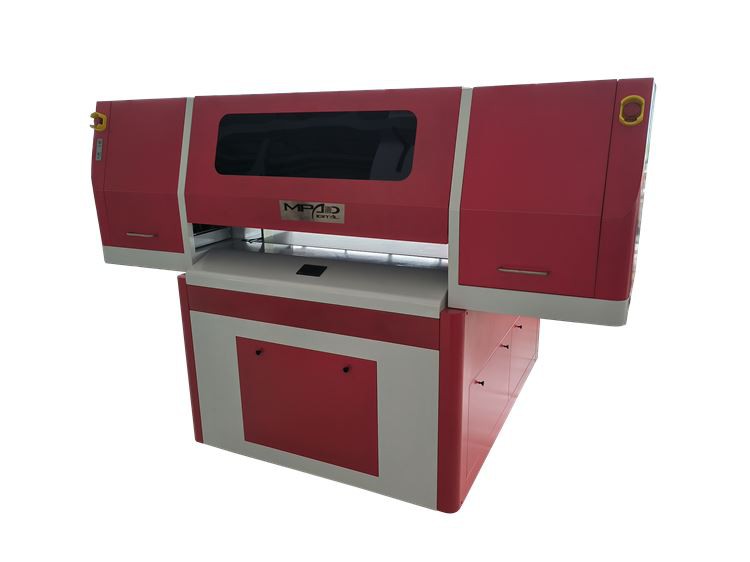
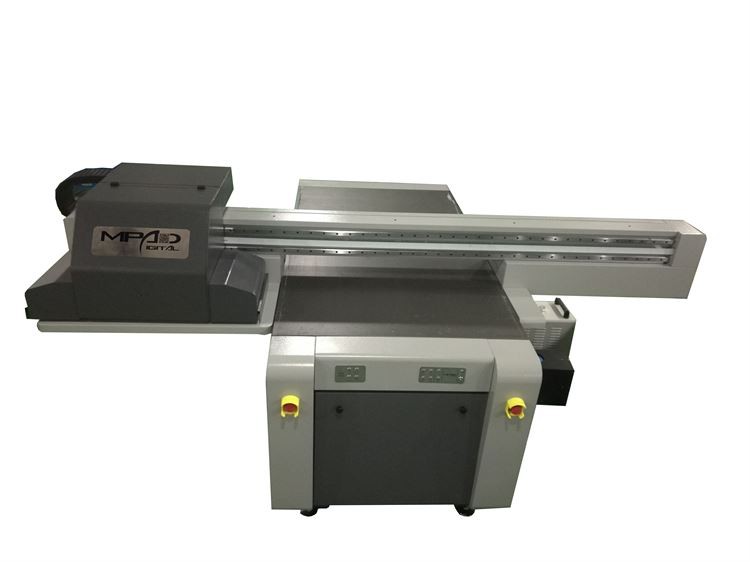
For example, our Digital Flatbed UV Printer uses a combination of electrostatic discharge protection and intelligent ink management to deliver excellent results in low humidity conditions. It can print on a wide range of materials, from rigid plastics to flexible fabrics, without being affected by static - related problems.
Moderate Humidity Conditions
Moderate humidity, ranging from 30% to 60% relative humidity, is generally considered the ideal environment for UV printing. In this range, the ink dries at an optimal rate, and the media remains stable. The print quality is usually at its best, with sharp details, vibrant colors, and smooth gradients.
The moderate humidity helps to keep the ink viscosity at an appropriate level, allowing it to flow smoothly through the printhead nozzles. This results in consistent droplet formation and accurate placement on the media. The media also absorbs the ink well without drying too quickly or too slowly, which reduces the risk of cracking, warping, or ink bleeding.
Our top UV printers shine in moderate humidity conditions. They are calibrated to take full advantage of the ideal printing environment, delivering high - resolution prints with minimal maintenance. The Digital UV Flatbed Printer is particularly well - suited for this range, as it can produce detailed and long - lasting prints on various substrates, including glass, metal, and wood.
High Humidity Conditions
High humidity, above 60% relative humidity, can pose significant challenges to UV printing. One of the main issues is the slow drying time of the ink. In high humidity environments, the moisture in the air can interfere with the UV curing process, causing the ink to take longer to dry. This can lead to smudging, scratching, or even the ink not adhering properly to the media.
Another problem is the potential for mold and mildew growth on the printer components and the media. High humidity provides a favorable environment for these microorganisms to thrive, which can damage the printer and affect the print quality. Additionally, the high moisture content in the air can cause the media to expand or warp, leading to misalignment and inaccurate prints.
Our top UV printers are built to handle high humidity conditions. They feature powerful UV curing systems that can quickly dry the ink, even in humid environments. The printers are also made from materials that are resistant to corrosion and mold growth. Regular maintenance and cleaning procedures are recommended to prevent the buildup of moisture and contaminants.
The Printer UV Flatbed is designed with enhanced ventilation and dehumidification features. These features help to remove excess moisture from the printing area, ensuring that the ink dries properly and the media remains stable. It can also be equipped with additional protective coatings on its internal components to prevent mold and mildew from forming.
Adapting to Different Humidity Conditions
Regardless of the humidity level, our top UV printers are engineered to be adaptable. They come with user - friendly control panels that allow operators to adjust various settings, such as the UV curing intensity, print speed, and ink flow rate, to optimize the printing process for different humidity conditions.
We also provide comprehensive training and support to our customers, helping them to understand how to operate the printers effectively in different environments. Our technical team is available 24/7 to offer advice and troubleshooting assistance, ensuring that our customers can achieve the best possible print quality, no matter the humidity.
Conclusion
In conclusion, humidity plays a crucial role in the performance of UV printers. While different humidity conditions present unique challenges, our top UV printers are designed to overcome these obstacles and deliver outstanding print quality. Whether it's low, moderate, or high humidity, our printers are equipped with the latest technology and features to ensure consistent, reliable, and high - quality printing.
If you're in the market for a top - of - the - line UV printer that can perform well in various humidity conditions, we'd love to hear from you. Contact us to discuss your specific requirements and let us help you find the perfect UV printer for your business.
References
- "UV Printing Technology: Principles and Applications" by John Smith
- "Environmental Factors Affecting Printing Quality" published by the Printing Industry Association