
Hey there! As a supplier of banner printers, I've had my fair share of experiences with different types of printers and how they affect the drying time of ink on banners. In this blog, I'm gonna dive into how the drying time of ink on banners varies with different banner printers.
First off, let's talk about the basics. The drying time of ink on banners is super important. It affects how quickly you can handle the printed banners, how well the colors set, and even the overall quality of the final product. If the ink takes too long to dry, you might end up with smudges, color bleeding, or other issues. On the other hand, if it dries too fast, it could cause problems with the printing process itself.
There are several factors that can influence the drying time of ink on banners, and the type of banner printer you use is one of the most significant ones. Let's take a look at some common types of banner printers and how they impact drying time.
Solvent Printers
Solvent printers are pretty popular in the banner printing industry. They use solvent-based inks, which are known for their durability and ability to adhere well to different types of banner materials. The drying time of solvent inks can vary depending on a few things, like the type of solvent used, the ambient temperature and humidity, and the thickness of the ink layer.
In general, solvent inks take a bit longer to dry compared to some other types of inks. This is because the solvents need to evaporate completely for the ink to dry and set properly. Usually, it can take anywhere from a few minutes to several hours for solvent-printed banners to dry, especially if they have a thick layer of ink or if the printing environment isn't ideal.
One advantage of solvent printers, though, is that they can be used with a wide range of banner materials, including vinyl, which is a common choice for outdoor banners. The long drying time can also be a plus in some cases, as it gives you more time to make adjustments or fix any small mistakes before the ink dries completely.
Eco-Solvent Printers
Eco-solvent printers are a more environmentally friendly alternative to traditional solvent printers. They use eco-solvent inks, which are less toxic and have a lower odor. The drying time of eco-solvent inks is generally shorter than that of solvent inks.
Eco-solvent inks dry faster because they have a lower solvent content and are formulated to evaporate more quickly. Typically, eco-solvent-printed banners can dry in a matter of minutes to an hour or so, depending on the same factors as solvent inks (ambient conditions, ink layer thickness, etc.). This faster drying time makes them a great option for businesses that need to produce banners quickly.
However, like solvent printers, eco-solvent printers also have some limitations. They might not be as suitable for printing on certain types of materials as other printers, and the eco-solvent inks can be a bit more expensive than regular solvent inks.
UV Printers
UV printers are another type of printer that's becoming increasingly popular for banner printing. They use UV-curable inks, which dry almost instantly when exposed to ultraviolet light. This is a huge advantage when it comes to drying time.
With UV printers, there's no waiting around for the ink to dry. As soon as the UV light hits the ink, it cures and dries immediately. This means you can handle the printed banners right away, without having to worry about smudging or other drying-related issues. It also allows for a much higher production speed, as you can print and finish banners in a shorter amount of time.
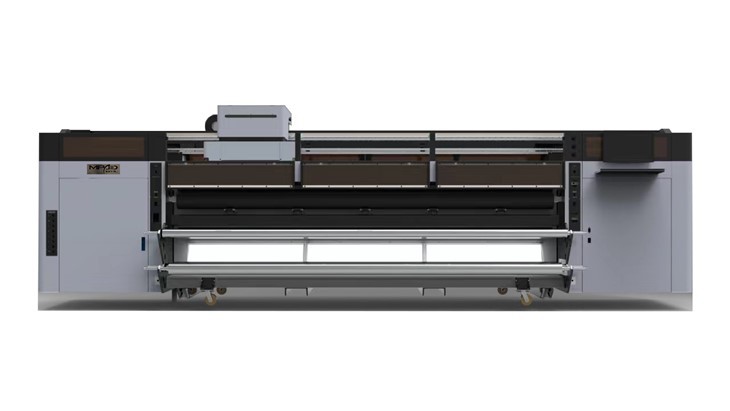
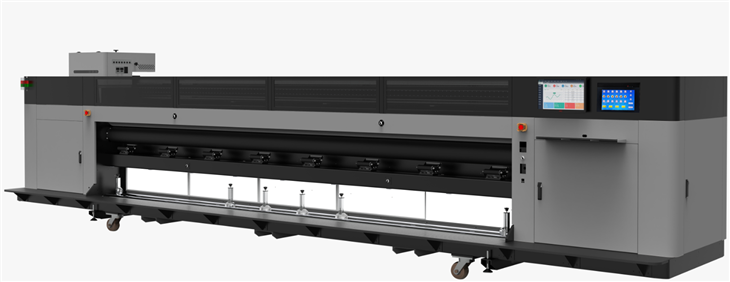
There are different types of UV printers, like the UV Roll To Roll Printer and the UV Roll To Roll Printer High Speed. These printers are designed to handle large rolls of banner material, making them ideal for mass-producing banners.
One thing to keep in mind with UV printers is that they require a UV light source to dry the ink. If the UV light isn't working properly or if the exposure time isn't right, the ink might not dry correctly. Also, UV printers can be a bit more expensive to purchase and maintain compared to some other types of printers.
Aqueous Printers
Aqueous printers use water-based inks, which are commonly used for indoor banner printing. The drying time of aqueous inks is usually faster than solvent inks but slower than UV-curable inks.
The drying time of aqueous inks depends on factors like the type of paper or fabric used for the banner, the humidity in the printing environment, and the amount of ink applied. Generally, it can take a few minutes to half an hour or so for aqueous-printed banners to dry.
Aqueous printers are a good choice for indoor applications because the water-based inks are non-toxic and have a low odor. They're also relatively inexpensive to operate, but they might not be as durable as banners printed with solvent or UV inks, especially for outdoor use.
Factors Affecting Drying Time Beyond the Printer Type
Besides the type of printer and ink used, there are other factors that can affect the drying time of ink on banners.
Ambient Temperature and Humidity: Higher temperatures and lower humidity levels generally help the ink dry faster. In a hot and dry environment, the solvents or water in the inks will evaporate more quickly, reducing the drying time. On the other hand, in a cold and humid environment, the drying process can be significantly slowed down.
Banner Material: Different banner materials absorb and release ink and solvents at different rates. For example, porous materials like fabric might absorb the ink more readily, but they can also take longer to dry because the ink has to be drawn out of the material. Non-porous materials like vinyl might dry faster because the ink sits on the surface, but it also depends on how well the ink adheres to the material.
Ink Layer Thickness: The thicker the layer of ink on the banner, the longer it will take to dry. If you're printing with a lot of ink or if you're doing a high-resolution print, the drying time will be longer compared to a simple, low-ink print.
Choosing the Right Printer for Your Needs
When it comes to choosing a banner printer, the drying time of the ink is just one factor to consider. You also need to think about the type of banners you'll be printing (indoor or outdoor, small or large quantities), the budget you have, and the quality of the prints you want to achieve.
If you need to produce banners quickly and don't want to wait around for the ink to dry, a UV printer like the UV Roll To Roll Printer High Speed might be a great option. It can handle large volumes of printing and gives you instant drying.
On the other hand, if you're on a budget and need to print on a variety of materials, a solvent or eco-solvent printer could be a good choice. They might take a bit longer to dry, but they offer good durability and versatility.
If you're mainly printing indoor banners and want a non-toxic and low-cost option, an aqueous printer could be the way to go. Just be aware that the drying time might be a bit longer and the banners might not be as durable as those printed with other types of inks.
As a supplier of Banner Printers, I'm here to help you find the right printer for your specific needs. Whether you're a small business just starting out or a large printing company looking to upgrade your equipment, we have a range of printers to choose from.
If you're interested in learning more about our banner printers or want to discuss your printing requirements, don't hesitate to reach out. We can provide you with more detailed information, answer your questions, and even arrange a demonstration if you'd like. Contact us today to start the conversation and take your banner printing to the next level!
References
- "Printers and Inks: A Comprehensive Guide", Printing Industry Association
- "The Impact of Environmental Conditions on Ink Drying", Journal of Printing Technology