

Hey there! I'm a supplier of Hybrid Printers, and today I wanna talk about one of the most burning questions in the printing world: How fast is the printing speed of a hybrid printer?
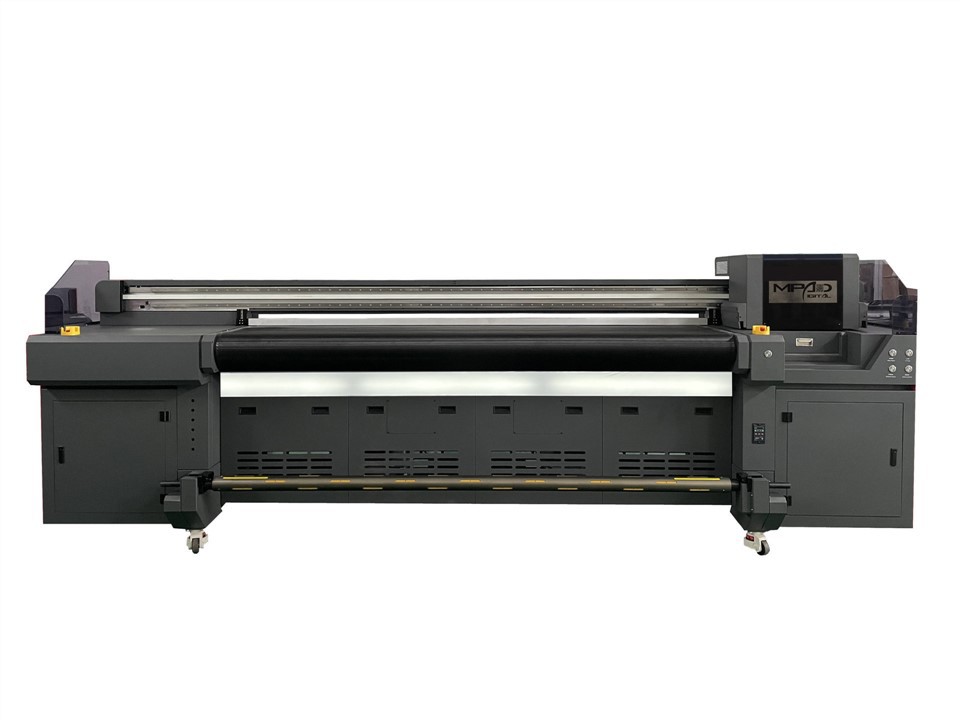
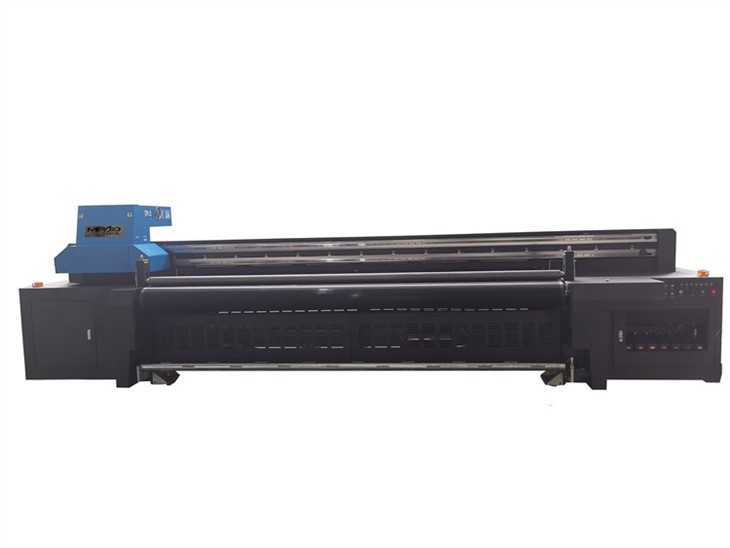
First off, let's understand what a hybrid printer is. A hybrid printer combines the best of both worlds, typically integrating the functions of flat - bed and roll - to - roll printing. It can handle a wide range of materials, from rigid substrates like wood, glass, and metal to flexible media such as vinyl, fabric, and paper. This versatility makes it a go - to choice for many printing businesses.
When it comes to printing speed, there are several factors that come into play. The type of printer model, the resolution you're printing at, the complexity of the design, and the type of ink being used all have an impact.
Let's start with the printer model. Different hybrid printer models have different speed capabilities. For instance, some entry - level hybrid printers might have a relatively slower printing speed. They could print at around 10 - 20 square meters per hour. These printers are great for small - scale operations or for those just starting out in the printing business. They're affordable and can still produce high - quality prints, but the speed is a bit of a trade - off.
On the other hand, high - end hybrid printers can be real speed demons. Some of the top - of - the - line models can print at speeds of up to 100 square meters per hour or even more. These printers are equipped with advanced technology and high - performance printheads that can lay down ink at an incredibly fast rate. They're designed for large - scale commercial printing jobs where time is of the essence.
The resolution you choose also has a huge impact on printing speed. If you're printing at a low resolution, say 360 dpi (dots per inch), the printer doesn't have to be as precise, and it can move the printhead across the material faster. As a result, the printing speed will be higher. However, if you need a high - resolution print, like 1440 dpi or more, the printer has to make more stops and starts to place the ink dots accurately. This slows down the overall printing process. For example, printing a large - format poster at 360 dpi might take half the time it would take to print the same poster at 1440 dpi.
The complexity of the design is another factor. A simple design with large areas of solid color can be printed much faster than a design with lots of fine details, gradients, and small text. The printer has to work harder to reproduce all those tiny elements, which means more passes over the material and a slower printing speed.
The type of ink used can also affect the speed. UV inks are a popular choice for hybrid printers. They dry almost instantly when exposed to UV light, which allows for faster printing. Unlike some traditional inks that need to air - dry, UV inks enable the printer to move on to the next part of the job right away. This can significantly increase the overall printing speed.
Now, let's talk about some specific types of hybrid printers. The UV Flatbed Roll To Roll Printer is a great example. This type of printer can switch between flat - bed and roll - to - roll printing modes. In roll - to - roll mode, it can achieve relatively high speeds because the material can be fed continuously through the printer. The printing speed can range from 20 - 80 square meters per hour depending on the factors we've discussed earlier.
The UV Ink Jet Printer is another option. These printers use ink - jet technology to apply UV inks. They can be very fast, especially when printing on flexible materials. Some UV ink jet hybrid printers can print at speeds of 30 - 90 square meters per hour.
And of course, we have the UV Hybrid Printers in general. These printers are known for their ability to handle a wide variety of jobs quickly and efficiently. They're designed to meet the needs of different printing businesses, whether it's a small shop or a large - scale production facility.
If you're in the market for a hybrid printer, it's important to consider your specific needs. If you have a lot of large - scale jobs with tight deadlines, you'll want to look for a high - speed printer. But if you're just starting out or doing more custom - made, low - volume jobs, a slower but more affordable printer might be the way to go.
We offer a wide range of hybrid printers at different price points and with different speed capabilities. Whether you're a newbie in the printing business or an established player looking to upgrade your equipment, we can help you find the perfect printer for your needs.
If you're interested in learning more about our hybrid printers or want to discuss your printing requirements, don't hesitate to get in touch. We're here to answer all your questions and help you make an informed decision.
References:
- Industry reports on hybrid printer technology
- Manufacturer specifications of various hybrid printer models