

When it comes to the world of printing, Print UV printers have emerged as a revolutionary technology, offering high - quality, durable, and versatile printing solutions. As a Print UV printer supplier, I understand the importance of making an informed decision when choosing the right printer for your business or personal needs. In this blog, I'll guide you through the key factors to consider when selecting a Print UV printer.
Understanding Print UV Printing Technology
Before delving into the selection process, it's essential to understand what Print UV printing is. UV printing uses ultraviolet (UV) light to cure or dry the ink instantly as it is printed onto the substrate. This technology offers several advantages over traditional printing methods. For instance, UV - cured inks are more durable, resistant to fading, scratching, and water, which makes them suitable for a wide range of applications, from indoor signage to outdoor banners.
Define Your Printing Needs
The first step in choosing a Print UV printer is to clearly define your printing requirements. Consider the following aspects:
Print Size
Determine the maximum and minimum print sizes you need. If you mainly print small - sized items like labels or small promotional materials, a desktop UV printer might be sufficient. However, if you plan to print large banners or wide - format posters, you'll need a large - format printer. For example, our Banner Printing Machine is designed specifically for large - scale banner printing, capable of handling wide rolls of media.
Substrate Compatibility
Think about the types of materials you'll be printing on. UV printers can print on a variety of substrates, including paper, vinyl, plastic, glass, metal, and wood. If you work with multiple substrates, choose a printer that offers good compatibility with different materials. Some printers are optimized for specific substrates, so it's important to ensure that the printer you select can handle your preferred materials effectively.
Print Volume
Estimate your monthly or annual print volume. If you have a high - volume printing requirement, you'll need a printer with a fast printing speed and high - capacity ink systems. A printer that can handle continuous printing without frequent maintenance or ink replenishment will be more suitable for high - volume production. On the other hand, if your print volume is relatively low, a more basic and cost - effective model might be sufficient.
Evaluate Printer Performance
Once you've defined your printing needs, it's time to evaluate the performance of different Print UV printers.
Printing Resolution
Printing resolution is measured in dots per inch (DPI). A higher DPI generally means better print quality, with sharper images and finer details. However, higher DPI also usually results in slower printing speeds. Consider the balance between print quality and speed based on your requirements. For applications that require high - quality, detailed prints, such as photo - printing or fine - art reproduction, a printer with a high DPI (e.g., 1440 DPI or higher) is recommended.
Color Accuracy
Color accuracy is crucial, especially for applications where color representation is important, such as branding and marketing materials. Look for a printer that offers accurate color reproduction across a wide range of colors. Some printers come with advanced color management systems that can calibrate the colors to match industry standards or specific brand colors.
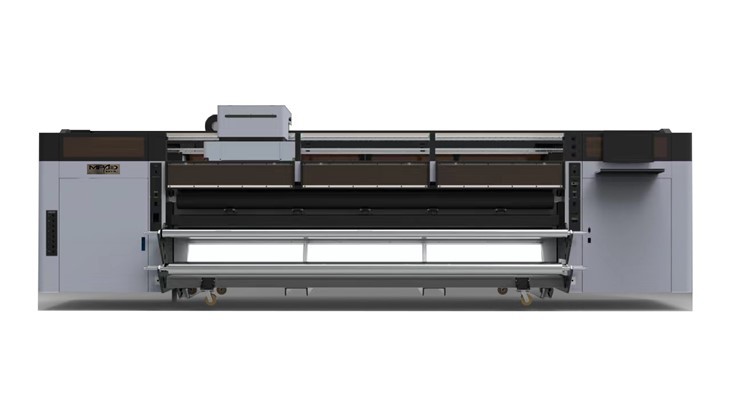
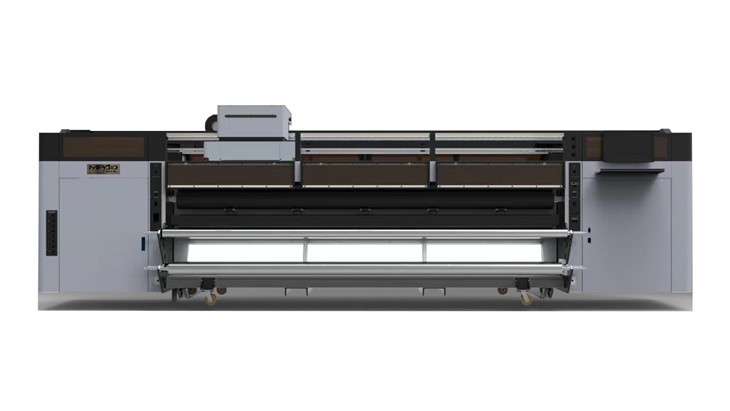
Printing Speed
Printing speed is an important factor, especially for businesses with high - volume printing needs. The speed of a UV printer is usually measured in square meters per hour (m²/h) or pages per minute (ppm). Compare the printing speeds of different models and choose one that can meet your production requirements. Keep in mind that the printing speed may vary depending on the print quality settings and the complexity of the design.
Consider the Cost
Cost is always a significant factor when choosing a Print UV printer. There are several cost - related aspects to consider:
Purchase Price
The initial purchase price of the printer is an obvious cost factor. However, it's important not to base your decision solely on the price. A cheaper printer may have lower performance, limited features, or higher long - term operating costs. Compare the features and performance of different printers at different price points to find the best value for your money.
Ink and Consumables
Ink and other consumables, such as print heads and cleaning solutions, can be a significant ongoing cost. Some printers use more ink than others, and the cost of replacement ink cartridges or bulk ink systems can vary. Look for a printer with cost - effective ink consumption and consider the availability and price of replacement consumables.
Maintenance and Repair
Regular maintenance is essential to keep your printer in good working condition. Consider the ease of maintenance and the cost of maintenance services. Some printers are designed for easy self - maintenance, while others may require professional servicing. Additionally, factor in the potential cost of repairs and the availability of spare parts.
Look for Additional Features and Support
In addition to the basic performance and cost factors, there are some additional features and support services that can enhance your printing experience.
Connectivity Options
Modern printers offer a variety of connectivity options, such as USB, Ethernet, Wi - Fi, and Bluetooth. Choose a printer with the connectivity options that suit your needs. For example, if you need to print wirelessly from multiple devices, a printer with Wi - Fi connectivity will be more convenient.
Software and Workflow
The software that comes with the printer can have a significant impact on your productivity. Look for a printer that includes user - friendly software with features such as print preview, color management, and job scheduling. Some printers also support integration with third - party design and workflow software, which can streamline your printing process.
Technical Support
Good technical support is crucial, especially if you're new to UV printing or encounter problems with your printer. Choose a supplier that offers comprehensive technical support, including online resources, phone support, and on - site service if necessary. A reliable supplier will also provide regular software updates to improve the performance and functionality of your printer.
Conclusion
Choosing the right Print UV printer is a crucial decision that can have a significant impact on your printing business or personal projects. By defining your printing needs, evaluating printer performance, considering the cost, and looking for additional features and support, you can make an informed choice. As a Print UV printer supplier, I'm committed to helping you find the perfect printer for your requirements. Whether you need a Roll To Roll UV Printer for continuous printing or a Flag Printer for flag production, we have a wide range of options to meet your needs.
If you're interested in learning more about our Print UV printers or have any questions about the selection process, please feel free to contact us. We're here to assist you in making the best decision for your printing future.
References
- "UV Printing Technology: A Comprehensive Guide." Printing Industry Association.
- "Choosing the Right UV Printer for Your Business." Print Magazine.