

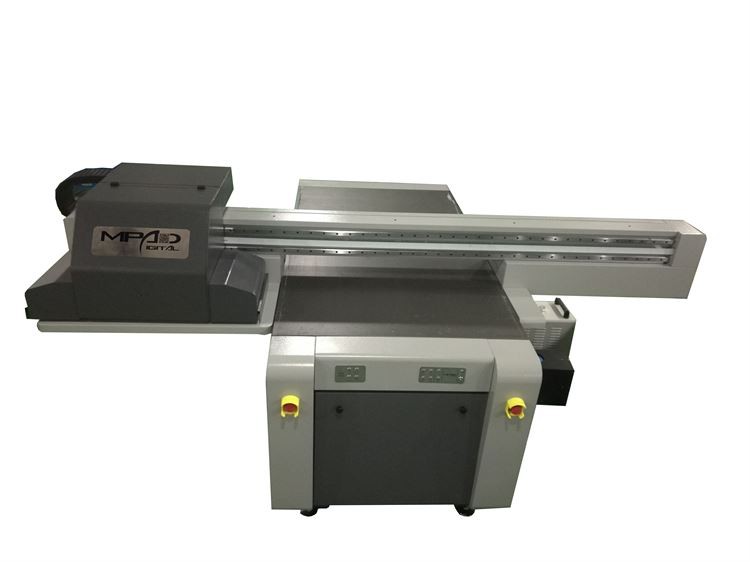
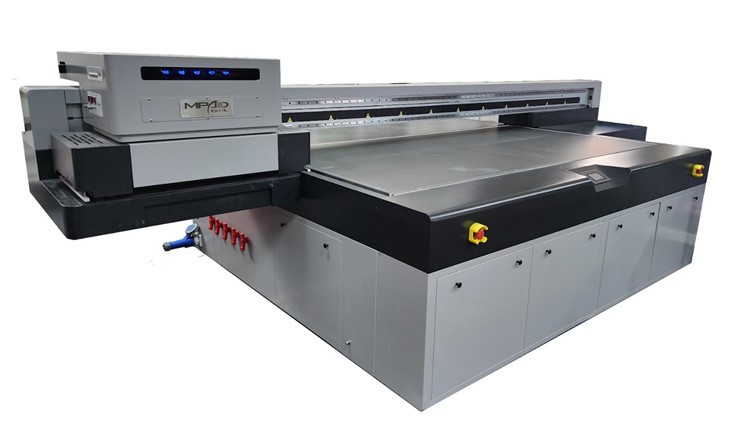
As a supplier of flatbed printers, I understand the significance of safety when operating these advanced printing devices. Flatbed printers, such as the Digital UV Flatbed Printer, Flatbed Sign Printer, and UV Printer Machine, offer high - precision printing on various flat surfaces. However, to ensure a safe and efficient working environment, several safety precautions need to be taken into account.
1. Pre - operation Safety Checks
Before starting the flatbed printer, a series of pre - operation checks are essential. First, inspect the physical condition of the printer. Look for any visible damage to the machine frame, such as cracks or loose parts. A damaged frame can affect the stability of the printer during operation, leading to inaccurate printing results and potential safety hazards. Check the power cord for any signs of fraying or exposed wires. Using a damaged power cord can cause electrical short - circuits, which may result in electric shocks or fires.
Next, examine the ink cartridges and ink supply system. Ensure that the cartridges are properly installed and there are no leaks. Leaking ink can not only damage the printer but also pose a chemical hazard to the operator. Some inks used in flatbed printers, especially UV inks, may contain chemicals that are harmful if they come into contact with the skin or are inhaled.
It is also crucial to check the print head. The print head is a delicate and expensive component of the flatbed printer. Make sure it is clean and free from any clogs. A clogged print head can cause uneven printing and may also require more force to operate, which can put additional stress on the printer's mechanical components.
2. Operator Safety Training
Proper training for operators is a fundamental safety measure. Operators should be thoroughly trained on the correct operation procedures of the flatbed printer. This includes understanding how to load and unload materials, how to adjust the printing settings, and how to troubleshoot common problems.
Training should also cover the safe handling of inks and other chemicals used in the printing process. Operators need to know how to wear appropriate personal protective equipment (PPE), such as gloves and safety glasses, when handling inks. They should be aware of the potential health risks associated with the chemicals and know the proper procedures for cleaning up spills.
In addition, operators should be trained on emergency procedures. They need to know how to shut down the printer quickly in case of an emergency, such as a fire or a mechanical malfunction. Regular safety drills can help reinforce these emergency response skills.
3. Workplace Safety
The workplace where the flatbed printer is located also plays a significant role in safety. The area should be well - ventilated, especially when using UV inks. UV inks emit fumes during the curing process, and poor ventilation can lead to the accumulation of these fumes, which can be harmful to the health of the operators. Installing exhaust fans or ventilation systems can help remove the fumes from the workspace.
Keep the workplace clean and organized. Remove any clutter around the printer to prevent tripping hazards. Make sure there is enough space around the printer for operators to move freely and perform their tasks safely.
The floor should be non - slippery to prevent falls. If there are any spills, clean them up immediately to avoid accidents. Also, ensure that the lighting in the workplace is adequate. Poor lighting can make it difficult for operators to see what they are doing, increasing the risk of errors and accidents.
4. Material Handling Safety
When handling materials for the flatbed printer, safety is of utmost importance. The materials used in flatbed printing can vary in size, weight, and shape. Operators should use proper lifting techniques when moving heavy materials. Bend at the knees and lift with the legs, rather than with the back, to avoid back injuries.
If the materials are large or awkwardly shaped, use appropriate handling equipment, such as forklifts or pallet jacks. Make sure these handling equipment are in good working condition and are operated by trained personnel.
When loading materials onto the printer, ensure that they are properly aligned. Misaligned materials can cause the printer to malfunction and may also damage the print head or other components. Secure the materials firmly to prevent them from moving during the printing process.
5. Electrical Safety
As flatbed printers are electrical devices, electrical safety is a top priority. The printer should be connected to a grounded electrical outlet. Grounding helps protect against electrical shocks by providing a path for electrical current to flow safely into the ground in case of a fault.
Do not overload electrical circuits. Using multiple high - power electrical devices on the same circuit can cause the circuit breaker to trip or, in more severe cases, can lead to electrical fires. If possible, use a dedicated electrical circuit for the flatbed printer.
When performing any maintenance or repair work on the printer that involves electrical components, always turn off the power and unplug the printer from the electrical outlet. This can prevent accidental electrical shocks.
6. Chemical Safety
As mentioned earlier, flatbed printers often use inks and other chemicals, such as cleaning agents. These chemicals need to be stored safely. Store them in a cool, dry, and well - ventilated area, away from sources of heat and ignition. Keep them in their original containers with clearly labeled lids to avoid confusion.
When using cleaning agents, follow the manufacturer's instructions carefully. Some cleaning agents may be corrosive or flammable, so it is important to use them in a safe manner. Do not mix different cleaning agents unless specifically instructed to do so, as this can create dangerous chemical reactions.
In case of chemical spills, have a spill - cleanup kit readily available. The kit should include absorbent materials, such as spill pads, and protective equipment, such as gloves and goggles. Clean up the spill immediately to prevent the spread of the chemical and reduce the risk of exposure.
7. Maintenance and Inspection
Regular maintenance and inspection of the flatbed printer are essential for safety. A well - maintained printer is less likely to malfunction and cause accidents. Schedule regular maintenance checks, including lubricating the moving parts, tightening loose bolts, and checking the alignment of the mechanical components.
Inspect the printer's safety features, such as emergency stop buttons and safety sensors, on a regular basis. These safety features are designed to protect the operator in case of an emergency, and they need to be in proper working condition at all times.
Keep a maintenance log to record all maintenance activities and inspections. This log can help track the printer's maintenance history and identify any recurring problems.
8. Post - operation Safety
After the printing job is completed, there are still some safety precautions to take. First, turn off the printer and unplug it from the electrical outlet. This not only saves energy but also reduces the risk of electrical problems when the printer is not in use.
Clean the printer thoroughly. Remove any remaining materials from the printing area and clean the print head and other components. Use appropriate cleaning agents and follow the manufacturer's instructions.
Store the inks and other chemicals properly. Make sure the containers are tightly sealed and stored in a safe place.
Finally, document any issues or problems that occurred during the printing process. This information can be used for future reference and can help improve the safety and efficiency of the printing operations.
In conclusion, safety is a critical aspect of using a flatbed printer. By following these safety precautions, operators can ensure a safe working environment, protect the printer from damage, and produce high - quality prints. If you are interested in purchasing a flatbed printer or have any questions about the safety of using our products, we welcome you to contact us for further discussion and potential procurement negotiations. We are committed to providing you with not only high - quality flatbed printers but also comprehensive safety guidance and support.
References:
- Industry standards for flatbed printer safety
- Manufacturer's operation manuals for flatbed printers
- Safety guidelines for handling chemicals in printing industries