

Hey there! As a supplier of UV flatbed machines, I often get asked about how to print from a mobile device to these awesome machines. It's a pretty cool process that combines the convenience of mobile tech with the power of UV flatbed printing. So, let's dive right in and break down the steps for you.
Step 1: Check Compatibility
First things first, you gotta make sure your mobile device and UV flatbed machine are compatible. Most modern UV flatbed printers support Wi - Fi connectivity, which is super handy for mobile printing. Check the manual of your Digital Flatbed Printer to see what kind of mobile devices it can connect to. Usually, it'll work with both Android and iOS devices, but it's always good to double - check.
If your printer has Bluetooth, that's another option. Just make sure your mobile device's Bluetooth is turned on and in pairing mode. Some printers also have USB ports, so you can use a USB - OTG cable to connect your phone or tablet directly to the printer.
Step 2: Install the Printer App
Once you've confirmed compatibility, the next step is to install the printer app. Most UV flatbed machine manufacturers provide their own apps that make printing from a mobile device a breeze. Head over to the App Store (if you're using an iOS device) or the Google Play Store (for Android) and search for the app associated with your Digital Flatbed UV Printer.
After you've downloaded and installed the app, open it up. You'll usually need to create an account or log in if you already have one. The app will guide you through the process of connecting your mobile device to the printer. This might involve entering the printer's Wi - Fi network name and password or pairing it via Bluetooth.
Step 3: Prepare Your Design
Now that your device is connected to the printer, it's time to get your design ready. You can use a variety of apps on your mobile device to create or edit your design. For simple designs, you can use the built - in photo editing apps on your phone. If you're looking for more advanced features, there are plenty of graphic design apps available, like Adobe Photoshop Express or Canva.
Make sure your design is in the right format. Most UV flatbed printers support common image formats like JPEG, PNG, and TIFF. Also, pay attention to the size and resolution of your design. You want it to be high - resolution enough so that the print comes out sharp and clear. If you're printing on a small object, you might not need as high a resolution as if you're printing on a large surface.
Step 4: Load the Print Material
Before you start printing, you need to load the material onto the UV flatbed machine. Different printers can handle different types of materials, such as wood, glass, metal, plastic, and more. Check the specifications of your Small Format UV Printer to see what materials it can print on.
Make sure the material is clean and free of any dust or debris. Place it on the flatbed of the printer carefully, aligning it properly. Some printers have alignment guides or sensors to help you position the material correctly. Once the material is in place, you can adjust the height of the print head if necessary. This ensures that the ink is applied at the right distance from the surface for the best print quality.
Step 5: Set the Printing Parameters
In the printer app on your mobile device, you'll need to set the printing parameters. This includes things like the print mode (e.g., draft, normal, high - quality), the number of copies, and the orientation of the print. You can also adjust the color settings, such as saturation and contrast, to get the look you want.
If your design has multiple colors, you might need to choose the appropriate ink cartridges or adjust the ink mixing settings. Some apps allow you to preview the print before you start, so you can make any final adjustments to the design or parameters.
Step 6: Start the Printing Process
Once you're happy with the design and the printing parameters, it's time to hit that print button! In the printer app, click on the print icon, and the app will send the print job to the UV flatbed machine. The printer will start its pre - print checks, making sure everything is set up correctly.
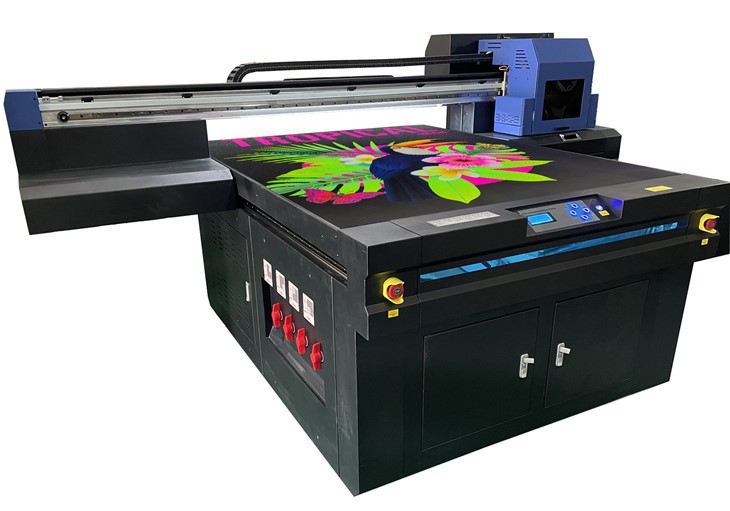
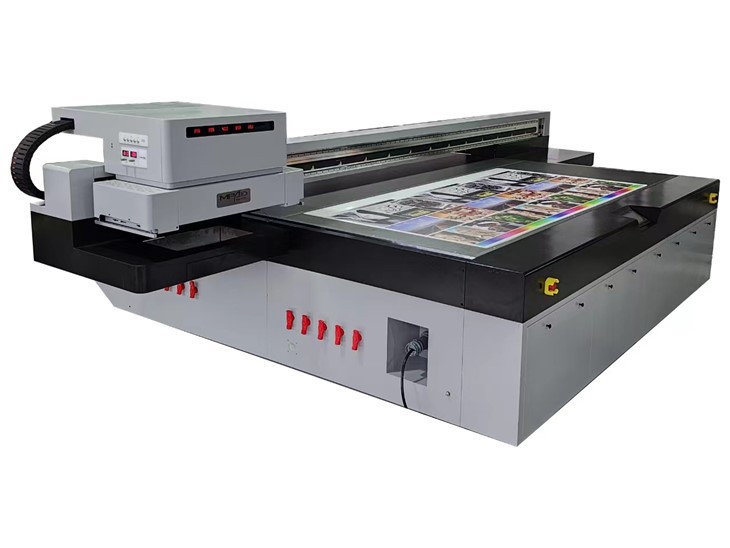
During the printing process, you can monitor the progress from your mobile device. The app will usually show you how much of the print is complete and any error messages if something goes wrong. If you're using a printer with a display, you can also check the status directly on the printer.
Step 7: Post - Print Processing
After the print is finished, you might need to do some post - print processing. This could involve removing the printed material from the flatbed carefully. Some materials might need to be cured further under UV light to ensure the ink is fully dried and adhered to the surface.
You can also inspect the print for any defects. If there are any smudges or uneven areas, you might need to adjust the printing parameters and try again. Remember, practice makes perfect, and you'll get better at getting high - quality prints with a bit of experience.
Conclusion
Printing from a mobile device to a UV flatbed machine is a great way to add convenience and flexibility to your printing projects. By following these steps, you can easily create amazing prints on a variety of materials. Whether you're a small business owner looking to print custom products or a hobbyist creating unique designs, our UV flatbed machines can help you bring your ideas to life.
If you're interested in purchasing a UV flatbed machine or have any questions about the printing process, don't hesitate to reach out. We're here to help you with all your printing needs and can provide you with more information and support.
References
- Manufacturer's manual of the UV flatbed printer
- Online resources and tutorials provided by the printer manufacturer
- Graphic design apps' official documentation