
In the dynamic world of printing technology, UV digital printers have emerged as a revolutionary force, offering unparalleled versatility, quality, and efficiency. As a supplier of UV digital printers, I've witnessed firsthand the transformative impact these machines can have on businesses across various industries. One of the most critical considerations for any business looking to invest in a UV digital printer is the long - term cost - effectiveness. In this blog, I'll delve into the factors that contribute to the cost - effectiveness of UV digital printers over time.
Initial Investment and Depreciation
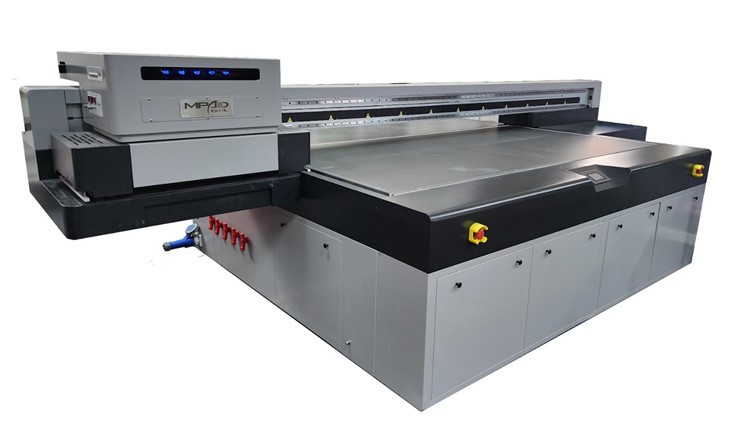
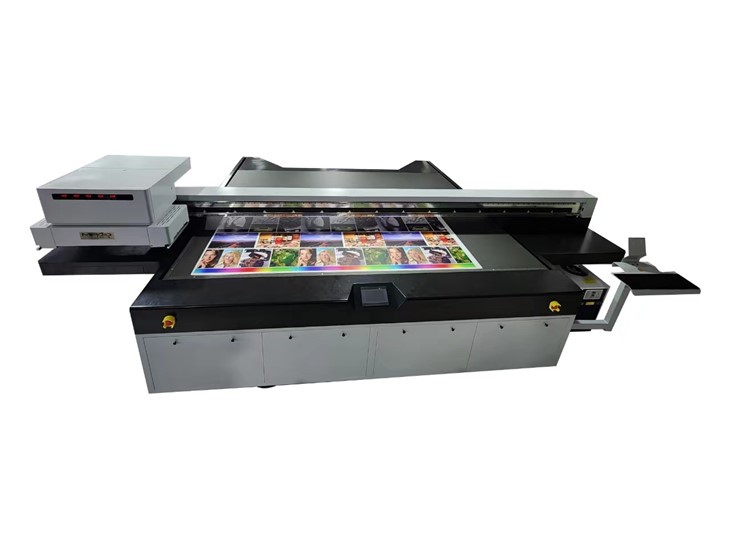
The first step in assessing the long - term cost - effectiveness of a UV digital printer is to consider the initial investment. UV digital printers come in a wide range of sizes and configurations, from Small Format UV Printer for small - scale operations to Large Format UV Flatbed Printer capable of handling large - scale commercial projects. The price of a UV digital printer can vary significantly depending on its features, capabilities, and brand.
However, it's important to view the initial investment as a long - term asset. UV digital printers are built to last, with many models having a lifespan of 5 to 10 years or more. Over time, the value of the printer depreciates, but its ability to generate revenue remains. When compared to traditional printing methods, which often require expensive setup costs for each new project, UV digital printers offer a more cost - effective solution in the long run. For example, in screen printing, the cost of creating screens for each design can be substantial, especially for short - run jobs. With a UV digital printer, there are no setup costs, allowing businesses to print small quantities at a competitive price.
Printing Costs
Another crucial aspect of cost - effectiveness is the cost of printing. UV digital printers use UV - curable inks, which have several advantages over traditional inks. Firstly, UV inks are more durable and resistant to fading, scratching, and water damage. This means that printed products have a longer lifespan, reducing the need for re - printing. Secondly, UV inks cure instantly when exposed to UV light, eliminating the need for drying time. This not only speeds up the printing process but also reduces the risk of smudging and allows for faster turnaround times.
In terms of ink consumption, UV digital printers are generally more efficient than traditional printers. They can print with high precision, using only the amount of ink needed for the design. This reduces ink waste and lowers the overall cost of printing. Additionally, some UV digital printers are equipped with advanced ink management systems that can optimize ink usage, further reducing costs.
Versatility and Productivity
One of the key benefits of UV digital printers is their versatility. They can print on a wide variety of substrates, including plastics, metals, glass, wood, and ceramics. This opens up a world of possibilities for businesses, allowing them to expand their product offerings and target new markets. For example, a sign - making company can use a UV digital printer to create not only traditional vinyl signs but also signs on acrylic, aluminum, and other materials.
The ability to print on different substrates also means that businesses can take on a wider range of projects, increasing their revenue potential. With a UV digital printer, there's no need to invest in multiple printing machines for different materials. A single printer can handle a variety of jobs, improving productivity and reducing the need for additional equipment.
In addition to substrate versatility, UV digital printers offer high - speed printing capabilities. They can print large - format prints quickly and efficiently, allowing businesses to meet tight deadlines and increase their output. This high productivity translates into more revenue - generating opportunities and a faster return on investment.
Maintenance and Support
Proper maintenance is essential for ensuring the long - term performance and cost - effectiveness of a UV digital printer. Most UV digital printers require regular cleaning, calibration, and replacement of parts such as print heads and lamps. However, compared to traditional printing equipment, UV digital printers are relatively easy to maintain.
Many UV digital printer manufacturers offer comprehensive maintenance plans and technical support. These plans can include regular servicing, software updates, and access to spare parts. By investing in a maintenance plan, businesses can minimize downtime and ensure that their printer is always operating at peak performance.
Moreover, the support provided by the manufacturer can help businesses troubleshoot issues quickly and efficiently. This reduces the cost of repairs and ensures that the printer is back up and running as soon as possible. In the long run, having reliable maintenance and support can save businesses a significant amount of money.
Energy Efficiency
Energy consumption is another factor to consider when evaluating the cost - effectiveness of a UV digital printer. UV digital printers are generally more energy - efficient than traditional printing methods. The UV - curing process uses less energy compared to drying processes in traditional printing, which often require large amounts of heat. Additionally, many modern UV digital printers are designed with energy - saving features, such as automatic sleep modes and low - power consumption during idle periods.
By reducing energy consumption, businesses can lower their operating costs and contribute to a more sustainable environment. Over the lifespan of a UV digital printer, the savings on energy costs can be substantial.
Return on Investment (ROI)
To truly understand the cost - effectiveness of a UV digital printer, it's important to calculate the return on investment. ROI is a measure of the profitability of an investment, calculated by dividing the net profit generated by the investment by the initial cost of the investment.
The net profit generated by a UV digital printer comes from increased revenue and cost savings. As mentioned earlier, UV digital printers allow businesses to print a wider range of products, take on more projects, and reduce printing costs. This leads to an increase in revenue. At the same time, the elimination of setup costs, reduced ink waste, and lower energy consumption result in cost savings.
For example, let's say a business invests in a Large Flatbed Printer for $50,000. In the first year, the printer generates $80,000 in revenue, with printing costs of $20,000. The net profit in the first year is $60,000. The ROI for the first year is ($60,000 - $50,000) / $50,000 = 20%. Over the next few years, as the printer continues to generate revenue and the initial investment is fully depreciated, the ROI will increase.
Conclusion
In conclusion, a UV digital printer offers significant cost - effectiveness in the long run. Despite the relatively high initial investment, the ability to generate revenue, reduce printing costs, and improve productivity makes it a wise investment for businesses of all sizes. The versatility of UV digital printers allows businesses to expand their product offerings and target new markets, further increasing their revenue potential.
If you're considering investing in a UV digital printer for your business, I encourage you to contact us to discuss your specific needs and requirements. Our team of experts can help you choose the right printer for your business and provide you with all the information you need to make an informed decision. We're committed to providing high - quality UV digital printers and excellent customer service to help your business succeed.
References
- "The Future of Printing: UV Digital Printing Technology" - Industry Report
- "Comparative Analysis of UV - Curable Inks and Traditional Inks" - Journal of Printing Technology
- "Cost - Benefit Analysis of UV Digital Printers in the Printing Industry" - Business Research Paper