

In the dynamic world of printing technology, Spot UV printing has emerged as a game - changer, offering a unique way to add visual appeal and tactile quality to printed materials. As a leading supplier of Spot UV printers, I often encounter customers who are confused about the differences between flatbed Spot UV printers and roll - to - roll Spot UV printers. In this blog post, I'll delve into the key distinctions between these two types of printers to help you make an informed decision for your printing needs.
Working Principles
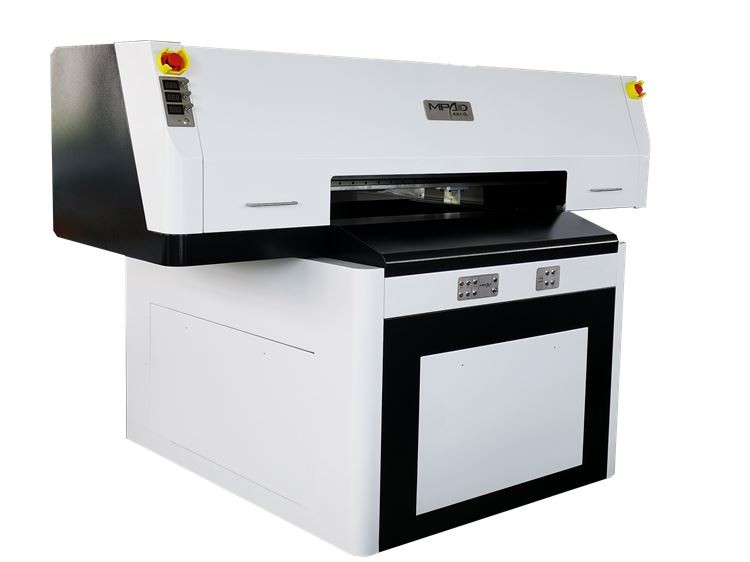
Let's start with the fundamental working principles of each printer type. A flatbed Spot UV printer is designed to print on flat, rigid substrates. It has a stationary flatbed where the printing material is placed. The print head moves over the surface of the substrate in a controlled manner, applying UV - curable ink precisely in the areas where the Spot UV effect is desired. Once the ink is applied, UV lights cure the ink instantly, solidifying it on the substrate. This process allows for high - precision printing on a wide range of flat materials such as wood, metal, glass, acrylic, and rigid plastics.
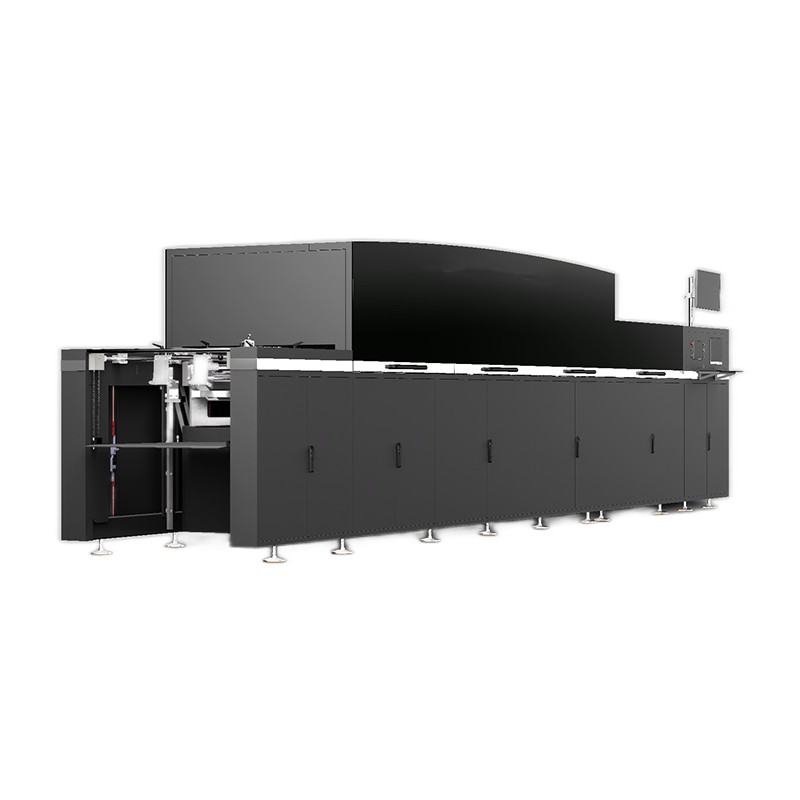
On the other hand, a roll - to - roll Spot UV printer is engineered for printing on flexible, roll - based materials. The substrate is fed from a roll at one end of the printer, passes through the printing area, and is then rewound onto another roll at the other end. The print head moves across the width of the moving substrate, applying the Spot UV ink as it goes. Similar to the flatbed printer, UV lights cure the ink immediately after application. This continuous feeding mechanism makes roll - to - roll printers highly efficient for large - volume printing of materials like banners, wallpapers, vinyl, and fabric.
Substrate Compatibility
One of the most significant differences between the two printers lies in their substrate compatibility. As mentioned earlier, flatbed Spot UV printers shine when it comes to printing on rigid materials. This makes them ideal for applications such as signage, promotional displays, custom - made furniture, and high - end packaging. For instance, a jewelry brand might use a flatbed Spot UV printer to create eye - catching packaging boxes with a glossy Spot UV finish on the brand logo, enhancing the perceived value of the product.
Roll - to - roll Spot UV printers, conversely, are optimized for flexible substrates. Their ability to handle continuous rolls of materials makes them a top choice for industries that require large - scale printing of flexible media. Event organizers often rely on roll - to - roll printers to produce large banners and backdrops with Spot UV effects, which can make the branding elements stand out vividly. Textile manufacturers also use these printers to add decorative Spot UV patterns to fabrics, creating unique and fashionable products.
Printing Size and Capacity
When it comes to printing size, flatbed Spot UV printers typically have a limited maximum printing area defined by the size of the flatbed. While some high - end models can accommodate relatively large substrates, there are still physical constraints. However, flatbed printers offer the advantage of being able to print on single, large - format pieces without the need for seam splicing. This is crucial for applications where a seamless print is required, such as large - scale art prints or high - end interior decorations.
Roll - to - roll Spot UV printers, in contrast, can handle much larger printing lengths as long as the roll of substrate is sufficient. They are capable of continuous printing, which makes them highly suitable for mass production. For example, a wallpaper manufacturer can use a roll - to - roll printer to produce hundreds of meters of wallpaper with Spot UV patterns in a single run, significantly increasing production efficiency.
Speed and Efficiency
In terms of speed, roll - to - roll Spot UV printers generally have an edge over flatbed printers. The continuous feeding mechanism of roll - to - roll printers allows for uninterrupted printing, which can lead to much higher production speeds, especially for large - volume jobs. Since the substrate is constantly moving through the printing area, the printer can apply Spot UV ink at a relatively fast pace.
Flatbed Spot UV printers, however, are more time - consuming for large - scale projects. Each piece of substrate needs to be loaded, aligned, and unloaded individually, which adds to the overall production time. Nevertheless, flatbed printers can be very efficient for small - batch, high - quality printing jobs where precision and attention to detail are of utmost importance.
Cost Considerations
The cost of both printers varies depending on several factors. Flatbed Spot UV printers tend to be more expensive upfront, especially for models with larger flatbed sizes and higher printing resolutions. The technology required to handle a wide range of rigid substrates and ensure precise printing on stationary surfaces is more complex, which drives up the cost. Additionally, the cost of consumables such as UV - curable inks can be relatively high, especially for specialty inks used for printing on certain materials.
Roll - to - roll Spot UV printers, on the other hand, are generally more cost - effective for large - volume production. Although the initial investment may still be significant, the lower labor costs associated with continuous printing and the potential for higher production volumes can result in a lower cost per print in the long run. However, it's important to note that the cost of rolls of flexible substrates and the need for proper substrate handling equipment also need to be factored into the overall cost analysis.
Applications and Industries
Flatbed Spot UV printers find their niche in industries that require high - quality, custom - printed products on rigid materials. The advertising and marketing industry often uses these printers to create unique promotional items such as coasters, keychains, and custom - printed plaques. The art and design sector also benefits from flatbed printers, as they can reproduce artworks with Spot UV effects on various materials, adding a new dimension to the art pieces.
Roll - to - roll Spot UV printers are widely used in industries that demand large - scale printing of flexible materials. The outdoor advertising industry relies on these printers to produce large banners and billboards with eye - catching Spot UV effects. The interior design industry also utilizes roll - to - roll printers for printing wallpapers and fabric coverings with decorative Spot UV patterns.
In conclusion, both flatbed Spot UV printers and roll - to - roll Spot UV printers have their own unique strengths and are suitable for different printing requirements. If you are in need of high - precision printing on rigid materials or small - batch, custom - made products, a flatbed Spot UV printer might be the right choice for you. On the other hand, if you are looking for high - volume production of flexible materials, a roll - to - roll Spot UV printer will likely better meet your needs.
As a trusted [Supplier's Role] of Link text: UV Spot Printer, Link text: UV Spot Varnish Printing, and Link text: UV Varnish Printer, we are committed to providing you with the best printing solutions tailored to your specific needs. Whether you are a small - scale business or a large - scale enterprise, our team of experts can help you select the most suitable printer and provide comprehensive after - sales support.
If you are interested in learning more about our Spot UV printers or would like to discuss your printing requirements in detail, please do not hesitate to reach out to us. We look forward to the opportunity to work with you and help you achieve outstanding printing results.
References
- "Printing Technology Handbook", published by XYZ Publishing
- Industry reports from the International Printing Association