

Hey there! As a supplier of Printer UV Flatbeds, I often get asked about the difference between single-pass and multi-pass printers. It's a crucial topic for anyone in the market for a UV flatbed printer, so I thought I'd break it down for you in this blog post.
Understanding Single-Pass Printers
Let's start with single-pass printers. These bad boys are all about speed. A single-pass printer, as the name suggests, prints the entire image in one go. The print head moves across the substrate just once, laying down all the ink needed to create the full image. This is made possible by a long print head that spans the width of the printing area.
One of the biggest advantages of single-pass printers is their incredible speed. They can produce high-volume prints in a very short time. This makes them ideal for large-scale production environments where time is money. For example, if you're printing thousands of identical promotional items or large signage, a single-pass printer can get the job done in a fraction of the time it would take a multi-pass printer.
Another benefit is the consistency of the print. Since the entire image is printed in one pass, there's less chance of misalignment or color variation. The print quality is usually very high, with sharp details and vibrant colors. However, single-pass printers do come with some drawbacks. They're generally more expensive to purchase and maintain. The long print heads are complex and can be costly to replace if they break down. Also, they're not as flexible as multi-pass printers when it comes to printing different types of substrates or handling complex designs.
Diving into Multi-Pass Printers
Now, let's talk about multi-pass printers. These printers work by making multiple passes over the substrate to build up the image. The print head moves back and forth across the material, laying down small amounts of ink with each pass. This process allows for more control over the printing process and can result in very high-quality prints.
One of the main advantages of multi-pass printers is their versatility. They can handle a wider range of substrates, including uneven or textured surfaces. Since the print head makes multiple passes, it can adjust to the surface irregularities and ensure a consistent print. This makes them a great choice for printing on materials like wood, glass, or metal.
Multi-pass printers are also more affordable than single-pass printers. They're a good option for small to medium-sized businesses that don't need to produce large volumes of prints quickly. They're easier to maintain, and the print heads are generally less expensive to replace. However, the downside is that they're slower than single-pass printers. Printing an image takes longer because of the multiple passes, which can be a problem if you have tight deadlines.
Comparing the Two
When it comes to print quality, both single-pass and multi-pass printers can produce excellent results. Single-pass printers offer a more consistent print, but multi-pass printers can achieve high levels of detail and color accuracy. It really depends on your specific needs and the type of prints you're producing.
In terms of speed, single-pass printers are the clear winners. They're designed for high-volume production and can churn out prints at a much faster rate. Multi-pass printers, on the other hand, are better suited for jobs that require more precision and flexibility.
Cost is another important factor to consider. Single-pass printers are more expensive upfront and have higher maintenance costs. Multi-pass printers are more budget-friendly and are a great option for businesses on a tight budget.
Applications
Single-pass printers are commonly used in industries where speed and high-volume production are key, such as the packaging industry. They're great for printing on cardboard boxes, labels, and other packaging materials. They're also used in large-scale signage production, where quick turnaround times are essential.
Multi-pass printers, on the other hand, are popular in the art and craft industry, where high-quality prints on a variety of substrates are required. They're also used in the personalized gift industry, where custom designs and small batch production are the norm.
Making the Right Choice
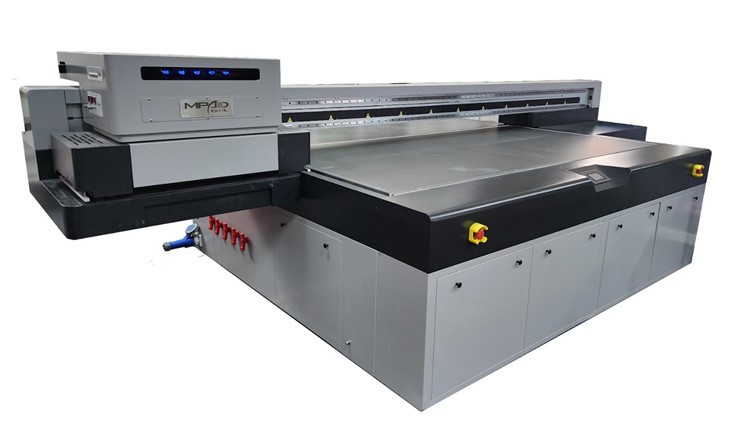
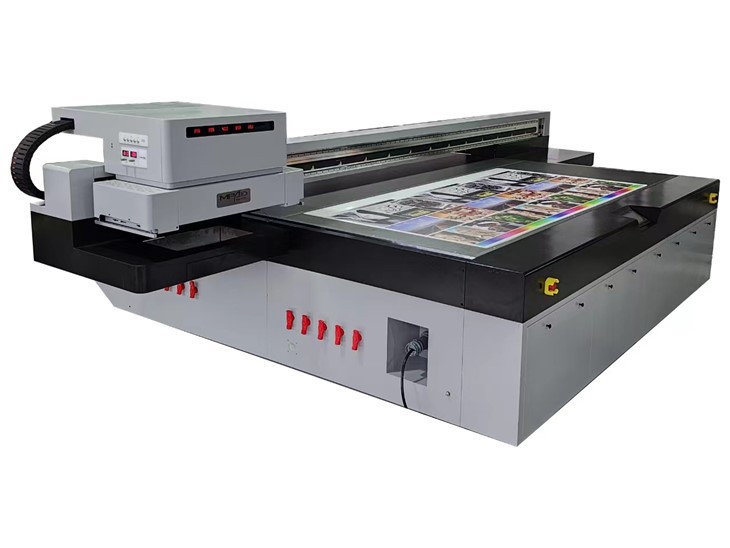
So, which type of printer is right for you? It really depends on your specific needs and budget. If you're a large-scale manufacturer with high-volume production requirements, a single-pass printer might be the best choice. Check out our Wide Format Flatbed Printer for a high-speed single-pass option.
If you're a small business or a hobbyist looking for a more versatile and affordable printer, a multi-pass printer could be the way to go. Our Flatbed UV Led and UV Flatbed Machine are great multi-pass options that offer high-quality prints and excellent value for money.
Conclusion
In conclusion, both single-pass and multi-pass Printer UV Flatbeds have their own unique advantages and disadvantages. Understanding the differences between the two can help you make an informed decision when purchasing a printer. Whether you're looking for speed, versatility, or high-quality prints, there's a printer out there that's right for you.
If you're still not sure which printer is best for your needs, don't hesitate to reach out to us. We're here to help you find the perfect Printer UV Flatbed for your business. Contact us today to start the conversation about your printing requirements and let's work together to find the best solution.
References
- "UV Flatbed Printing Technology: A Comprehensive Guide" - Industry Printing Journal
- "Comparing Single-Pass and Multi-Pass Printing Methods" - Printing Technology Magazine