

As a supplier of UV Roll Printers, I've encountered numerous inquiries from clients about the heat generation of these printers during operation. This topic is not only crucial for understanding the printer's performance but also for ensuring its long - term reliability and safety. In this blog, I'll delve into the factors contributing to heat generation in UV Roll Printers, its implications, and how to manage it effectively.
Factors Contributing to Heat Generation
1. UV Lamp Operation
The UV lamps in a UV Roll Printer are one of the primary sources of heat. These lamps emit ultraviolet light to cure the ink on the printed media. The process of generating UV light involves a significant amount of energy conversion, with a substantial portion of the energy being released as heat. For example, high - power UV lamps commonly used in industrial - grade UV Roll Printers can consume several kilowatts of power, and a large part of this energy is dissipated as heat.
The intensity of the UV light required for proper ink curing is directly related to the power of the lamp. Higher - intensity lamps are often needed for faster printing speeds or to cure more viscous inks. However, these high - power lamps generate more heat, which can pose challenges for the printer's internal components.
2. Printhead Activity
Printheads are another major heat - generating component. When the printer is in operation, the printheads continuously fire ink droplets onto the media. This process involves electrical signals that activate the nozzles, and the electrical resistance in the printhead circuits causes heat to be generated.
Moreover, the mechanical movement of the printheads across the media also generates friction, which further contributes to the heat. The frequency of ink firing and the speed of the printhead movement are important factors. For instance, in high - resolution printing, the printheads fire ink droplets more frequently, resulting in increased heat generation.
3. Motor and Drive Systems
The motors and drive systems in a UV Roll Printer are responsible for moving the media, the printheads, and other mechanical parts. These motors convert electrical energy into mechanical energy, and during this conversion, some energy is lost as heat due to electrical resistance in the motor windings and mechanical friction in the drive systems.
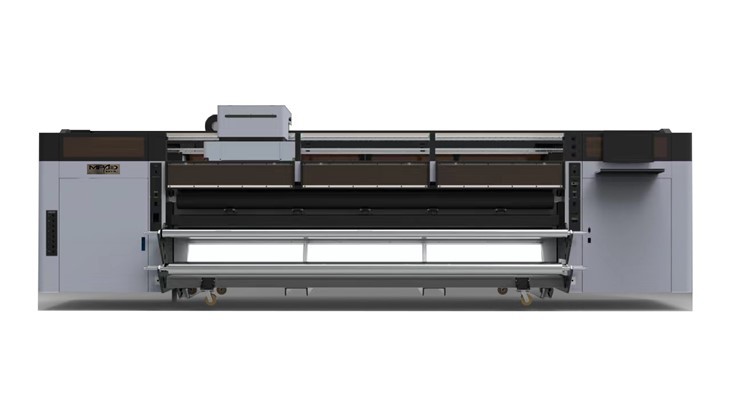
The size and power of the motors depend on the printer's size and the speed requirements. Larger printers with high - speed printing capabilities typically have more powerful motors, which generate more heat. For example, a large - format Large Format Banner Printers may have more powerful motors to move the large media rolls quickly, and these motors generate a significant amount of heat during operation.
4. Electronic Components
The printer's electronic control boards, power supplies, and other electronic components also generate heat. These components process and transmit electrical signals, and the electrical currents flowing through the circuits cause heat to be produced due to resistance.
The complexity of the printer's control system and the number of electronic components can affect the heat generation. Modern UV Roll Printers are equipped with advanced control systems that require high - performance electronic components, which can generate a considerable amount of heat.
Implications of Heat Generation
1. Impact on Print Quality
Excessive heat can have a negative impact on print quality. High temperatures can cause the ink to become more viscous, which may result in inconsistent ink flow from the printheads. This can lead to issues such as uneven color distribution, missing dots, or streaks in the printed image.
Heat can also affect the media. Some types of media are sensitive to temperature changes, and excessive heat can cause the media to warp or shrink. This can lead to misalignment of the printed image and reduce the overall print quality.
2. Component Lifespan
Continuous exposure to high temperatures can significantly reduce the lifespan of the printer's components. The heat can cause the electrical components to degrade more quickly, leading to premature failure. For example, the printheads may experience nozzle clogging or reduced ink - firing performance due to heat - induced damage.
The UV lamps also have a limited lifespan, and high operating temperatures can accelerate their degradation. Over time, the intensity of the UV light may decrease, affecting the ink curing process and requiring more frequent lamp replacements.
3. Safety Risks
Excessive heat can pose safety risks. High temperatures can increase the risk of fire, especially if the printer's cooling systems are not functioning properly. Additionally, the heat can make the printer's exterior surfaces hot to the touch, which can cause burns if users come into contact with them.
Managing Heat Generation
1. Cooling Systems
Most UV Roll Printers are equipped with cooling systems to manage the heat. These cooling systems can include fans, heat sinks, and liquid - cooling systems.
Fans are the most common cooling method. They are used to circulate air inside the printer, removing heat from the components and expelling it outside. Heat sinks are often attached to high - heat - generating components such as the UV lamps and the printheads. These heat sinks have a large surface area that helps to dissipate heat more efficiently.
Liquid - cooling systems are more effective for high - power printers. They use a coolant to absorb heat from the components and transfer it to a radiator, where the heat is dissipated into the surrounding air.
2. Proper Ventilation
Ensuring proper ventilation around the printer is essential. The printer should be installed in a well - ventilated area with enough space around it to allow for air circulation. Blocking the ventilation openings of the printer can prevent the heat from escaping, leading to overheating.
In addition, the ambient temperature of the printing environment should be controlled. Operating the printer in a room with a stable temperature can help to reduce the overall heat load on the printer.
3. Maintenance
Regular maintenance is crucial for managing heat generation. This includes cleaning the cooling systems, such as the fans and heat sinks, to remove dust and debris that can impede air flow. The printheads should also be cleaned regularly to prevent clogging, which can increase heat generation.
Checking the printer's components for signs of wear and tear and replacing any damaged parts promptly can also help to maintain the printer's heat - management capabilities.
Conclusion
Understanding the heat generation of a UV Roll Printer during operation is essential for both printer manufacturers and users. As a supplier of Printer UV Roll To Roll and Digital Roll Printing Machine, we are committed to providing high - quality printers with effective heat - management solutions.
By being aware of the factors contributing to heat generation and the implications it can have, users can take appropriate measures to ensure the printer's optimal performance and longevity. If you are interested in our UV Roll Printers or have any questions about heat management and printer operation, please feel free to contact us for further discussions and potential procurement. We are ready to offer you professional advice and support.
References
- "Principles of Digital Printing Technology" by John Smith
- "UV Curing Technology in Printing" by Emily Johnson
- Technical documentation of various UV Roll Printer models