

Lightfastness is a critical property when it comes to the varnish printed by a UV Varnish Printer. As a supplier of UV Varnish Printers, understanding and explaining this concept is essential for our customers to make informed decisions about their printing projects.
What is Lightfastness?
Lightfastness refers to the ability of a material, in this case, the varnish, to resist fading or changing color when exposed to light over time. Sunlight, in particular, contains ultraviolet (UV) rays, visible light, and infrared radiation. Among these, UV rays are the most damaging to the color and integrity of materials. When varnish lacks good lightfastness, it can lead to a loss of vibrancy, color shifts, and overall degradation of the printed surface.
Importance of Lightfastness in UV Varnish Printing
In the world of printing, especially for applications where the printed materials are intended for long - term display, lightfastness is of utmost importance. For instance, in packaging, promotional materials, and high - end prints, the varnish needs to maintain its appearance and protect the underlying print from fading. A UV Varnish Printer is designed to apply a protective and decorative layer of varnish on the printed surface. If the varnish has poor lightfastness, the investment in high - quality printing can be wasted as the colors will fade, and the overall aesthetic appeal will diminish.
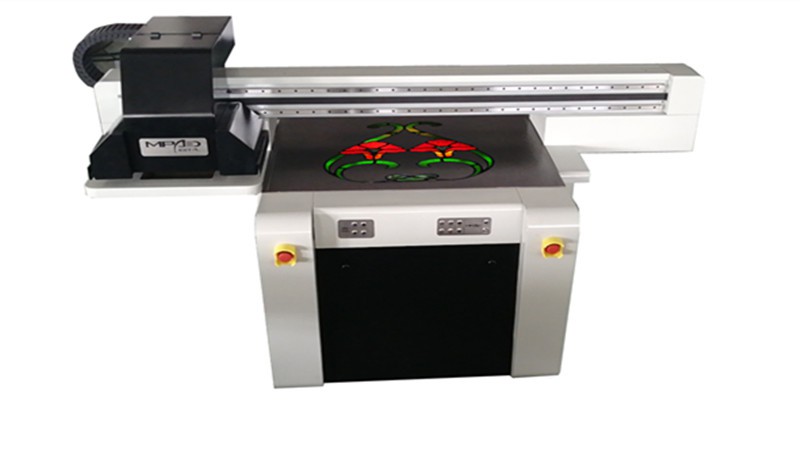
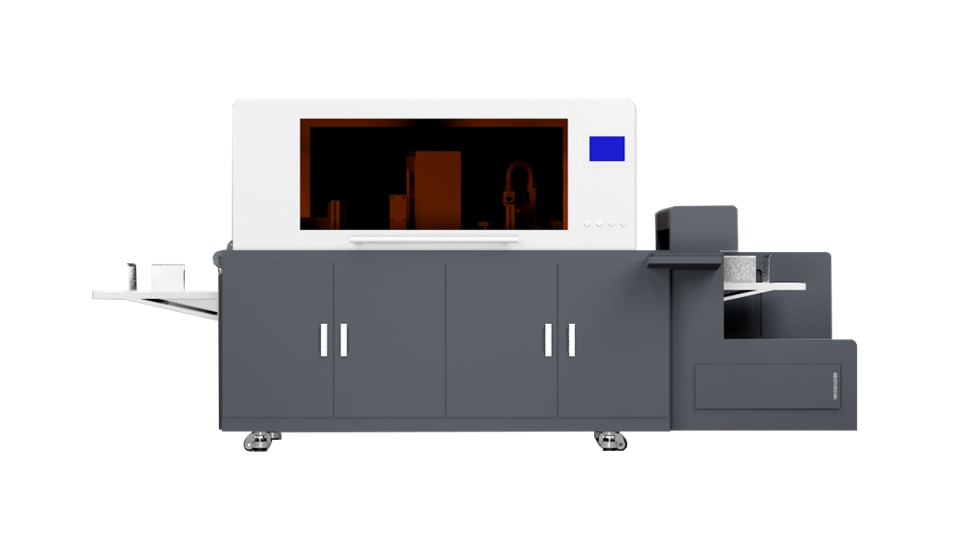
Factors Affecting the Lightfastness of Varnish Printed by a UV Varnish Printer
1. Varnish Composition
The chemical composition of the varnish is the primary factor influencing its lightfastness. UV - curable varnishes typically contain monomers, oligomers, photoinitiators, and additives. High - quality monomers and oligomers with good chemical stability are more resistant to the effects of light. Photoinitiators, which are responsible for initiating the curing process when exposed to UV light, can also affect lightfastness. Some photoinitiators may break down over time when exposed to light, leading to color changes in the varnish.
2. Curing Process
The curing process in a UV Varnish Printer plays a crucial role in determining the lightfastness of the varnish. If the varnish is not fully cured, it may be more susceptible to light damage. Incomplete curing can leave unreacted monomers and oligomers in the varnish, which can react with light and cause fading or yellowing. Proper control of the UV lamp intensity, exposure time, and temperature during the curing process is necessary to ensure complete and uniform curing.
3. Substrate
The type of substrate on which the varnish is printed also affects lightfastness. Different substrates have different surface properties, such as porosity, absorbency, and chemical composition. A porous substrate may absorb some of the varnish, which can affect the curing process and the overall lightfastness. Additionally, some substrates may contain chemicals that can interact with the varnish and reduce its lightfastness.
Measuring the Lightfastness of Varnish Printed by a UV Varnish Printer
There are several methods to measure the lightfastness of varnish. One common method is the use of a lightfastness tester, which exposes the printed sample to a controlled light source for a specified period. The light source can be a xenon arc lamp, which simulates natural sunlight. After the exposure, the color change of the sample is measured using a spectrophotometer. The results are usually expressed as a lightfastness rating, such as a Blue Wool Scale rating, where a higher rating indicates better lightfastness.
Improving the Lightfastness of Varnish Printed by a UV Varnish Printer
1. Selecting High - Quality Varnish
As a UV Varnish Printer supplier, we recommend using high - quality varnishes that are specifically formulated for good lightfastness. These varnishes often contain special additives, such as UV absorbers and antioxidants, which can help protect the varnish from light damage.
2. Optimizing the Curing Process
Our printers are equipped with advanced control systems that allow for precise adjustment of the curing parameters. By optimizing the UV lamp intensity, exposure time, and temperature, we can ensure that the varnish is fully cured, which improves its lightfastness.
3. Surface Treatment of the Substrate
In some cases, surface treatment of the substrate can improve the lightfastness of the printed varnish. For example, applying a primer or a base coat can create a more uniform surface and prevent the interaction between the substrate and the varnish.
Applications and the Role of Lightfastness
1. Packaging
In the packaging industry, lightfastness is crucial for maintaining the brand image. Products are often displayed on store shelves for extended periods, exposed to various light sources. A UV Varnish Printer can apply a protective varnish with good lightfastness to ensure that the packaging retains its color and appearance. This not only protects the product inside but also attracts customers with its vibrant and long - lasting print.
2. Promotional Materials
Promotional materials, such as brochures, posters, and flyers, are designed to attract attention. These materials are often distributed in large quantities and may be exposed to sunlight or indoor lighting. A UV Varnish Printer can print a varnish with high lightfastness, ensuring that the promotional message remains clear and colorful for a long time.
3. Fine Art Prints
For fine art prints, lightfastness is essential to preserve the integrity of the artwork. Artists and collectors invest a significant amount of money in high - quality prints. A UV Varnish Printer can apply a varnish that provides long - term protection against light damage, allowing the prints to be displayed and enjoyed for generations.
Related Products and Technologies
In addition to UV Varnish Printers, there are other related products and technologies that can enhance the printing process. For example, the Digital Foiling Printing Machine can add a metallic or holographic effect to the printed surface, which can be combined with UV varnish for a more eye - catching result. The Spot UV Coating Machine allows for selective application of UV varnish, creating a contrast between the coated and uncoated areas. And UV Spot Varnish Printing is a technique that can be used to highlight specific areas of the print, adding a touch of elegance and sophistication.
Conclusion
As a supplier of UV Varnish Printers, we understand the importance of lightfastness in the printing industry. By providing high - quality printers, recommending suitable varnishes, and offering technical support, we can help our customers achieve excellent lightfastness in their printed products. Whether it is for packaging, promotional materials, or fine art prints, our UV Varnish Printers can play a crucial role in creating long - lasting and visually appealing prints.
If you are interested in learning more about our UV Varnish Printers or discussing your specific printing needs, we invite you to contact us for a detailed consultation. Our team of experts is ready to assist you in finding the best solutions for your printing projects.
References
- ASTM International. (Year). Standard test methods for lightfastness of non - textile materials. ASTM Publication.
- ISO. (Year). International standard for lightfastness testing of printed materials. ISO Publication.
- Printing Industries of America. (Year). Guide to UV varnish printing and its properties. PIA Publication.