

Hey there! As a supplier of the 2513 UV printer, I often get asked about the maximum thickness of the material it can print on. So, I thought I'd take the time to break it down for you in this blog post.
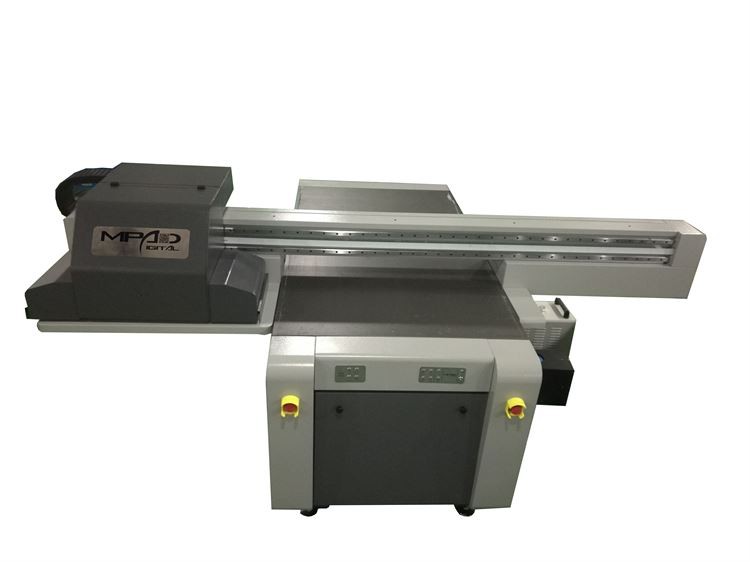
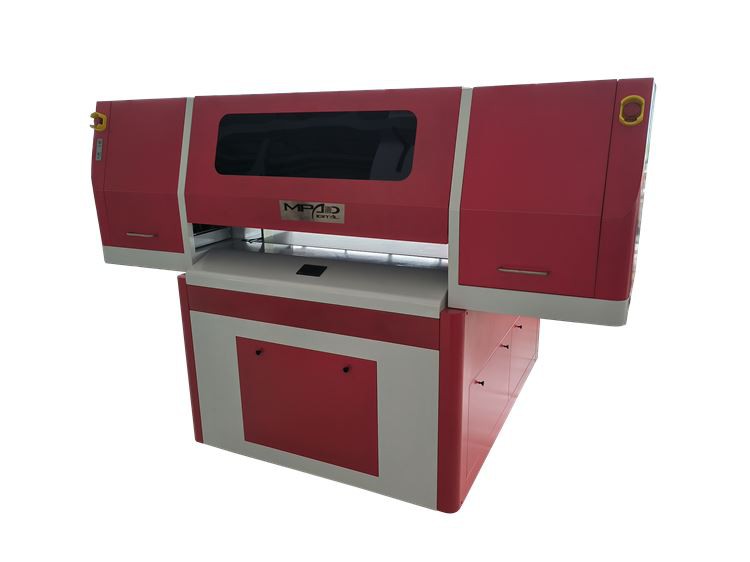
First off, let's talk a bit about what the 2513 UV printer is. It's a pretty cool piece of equipment that's part of the Printer UV Flatbed family. These printers are known for their versatility and high - quality printing on a wide range of flat materials. Whether you're into signage, personalized gifts, or industrial printing, the 2513 UV printer can be a great option.
Now, back to the main question: what's the maximum thickness of the material the 2513 UV printer can handle? Well, the 2513 UV printer is designed to work with materials up to 100mm in thickness. That's a pretty decent range, and it allows you to print on a variety of items.
Let's take a look at some of the materials you can use with this printer and how the thickness factor comes into play.
Wood
Wood is a popular material for printing. You can use thin wooden boards for making small signs or decorative pieces. The 2513 UV printer can easily handle thin plywood sheets, which are usually around 3 - 6mm thick. But if you want to print on thicker wooden blocks, like those used for creating custom furniture pieces or large wall art, the 100mm thickness limit means you have plenty of room to work with. The UV inks adhere well to wood, giving you a long - lasting and vibrant print.
Acrylic
Acrylic is another common material in the printing world. It's used for making display cases, nameplates, and promotional items. Thin acrylic sheets, say around 2 - 5mm, are super easy for the 2513 UV printer to print on. You can create some really eye - catching designs on them. And if you need to work with thicker acrylic, like for making large - scale exhibition displays, the printer can handle up to 100mm thick acrylic pieces. The UV printing process on acrylic gives a smooth and professional finish.
Glass
Printing on glass can create some stunning results. You can make decorative glass panels for homes, commercial spaces, or even custom - printed glassware. Thin glass, such as the kind used for photo frames (around 3 - 4mm), is no problem for the 2513 UV printer. And if you want to print on thicker glass, like that used for shower doors or large windows, the 100mm thickness limit allows you to do just that. The UV inks bond well with the glass surface, ensuring a durable print.
Metal
Metals like aluminum and stainless steel are also suitable for printing with the 2513 UV printer. Thin metal sheets, which are often used for making nameplates or small industrial labels, can be printed on easily. They're usually around 1 - 3mm thick. But if you have a project that requires printing on thicker metal parts, like large metal panels for machinery or architectural elements, the 100mm thickness capacity of the printer has you covered. The UV printing on metal provides good resistance to wear and tear.
The 2513 UV printer is also part of the Flat Bed UV Pinter category, which means it has a flat surface for the material to rest on during the printing process. This flat - bed design is crucial for ensuring accurate and even printing, especially when dealing with thicker materials. The printer uses advanced UV curing technology. When the inks are applied to the material, the UV lamps quickly cure them, making the print dry almost instantly. This is great for productivity, as you don't have to wait for the ink to dry before handling the printed material.
It's important to note that while the printer can handle materials up to 100mm thick, there are a few things to keep in mind. First, the heavier the material, the more stable the printer's base needs to be. You might need to ensure that your workspace is level and that the printer is placed on a sturdy surface. Also, for very thick materials, you may need to adjust the print settings slightly to get the best results. The printer's software usually has options to adjust the height of the print head, which is important when working with different thicknesses.
Another aspect to consider is the weight of the material. The 2513 UV printer can handle materials within a certain weight range. If you're working with extremely heavy materials close to the 100mm thickness limit, make sure not to overload the printer's bed.
The Digital UV Flatbed Printing Machine technology used in the 2513 UV printer offers a lot of flexibility. You can print high - resolution images, text, and graphics on the materials. The printer can handle different file formats, so you can easily transfer your designs from your computer to the printer.
If you're thinking about using the 2513 UV printer for your printing projects, it's a good idea to test print on a small piece of the material first. This way, you can see how the inks look on the surface and make any necessary adjustments to the settings.
In conclusion, the 2513 UV printer's ability to handle materials up to 100mm thick gives you a wide range of options for your printing projects. Whether you're a small - scale business looking to create custom products or a large - scale manufacturer in need of high - quality printing on various materials, this printer can meet your needs.
If you're interested in learning more about the 2513 UV printer or are thinking about making a purchase, I'd love to have a chat with you. Just reach out, and we can discuss how this printer can fit into your business and help you achieve your printing goals.
References
- Industry knowledge and experience as a 2513 UV printer supplier.
- Technical specifications provided by the printer's manufacturer.