

As a leading supplier of top UV printers, I often get asked about the noise levels of our products. In this blog post, I'll delve into the topic, explaining what factors influence the noise levels of UV printers and what you can expect from our top - of - the - line models.
Understanding the Basics of Noise in UV Printers
UV printers are complex machines that involve multiple moving parts and electrical components. The noise generated by these printers can come from various sources. The most common ones include the motors that drive the print heads, the fans used for cooling, and the movement of the conveyor belts or flatbeds.
The motors are responsible for moving the print heads precisely across the printing surface. As they operate, they produce a certain amount of mechanical noise. The cooling fans, on the other hand, are essential to prevent the printer's components from overheating. They draw in and expel air, creating airflow noise. And if the printer has a conveyor belt or a flatbed that moves during the printing process, the friction and movement of these parts also contribute to the overall noise level.
Measuring Noise Levels
Noise levels are typically measured in decibels (dB). A decibel is a logarithmic unit that expresses the ratio of a sound's intensity to a reference level. In the context of UV printers, the noise level is usually measured at a specific distance from the machine, often 1 meter away.
A lower decibel value indicates a quieter printer. For comparison, a normal conversation typically occurs at around 60 dB, while a vacuum cleaner can produce noise levels of about 70 - 80 dB. In a commercial printing environment, it's important to keep the noise levels as low as possible to ensure a comfortable working environment and to comply with local noise regulations.
Noise Levels of Our Top UV Printers
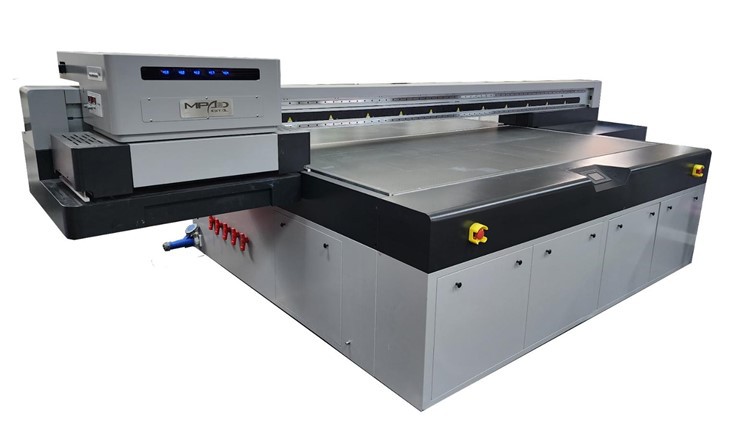
Wide Format Flatbed Printer
Our Wide Format Flatbed Printer is designed with advanced technology to minimize noise. This printer is equipped with high - quality motors that are engineered for smooth and quiet operation. The cooling fans are also optimized to provide efficient cooling while generating minimal noise. On average, the noise level of our wide - format flatbed printer is around 65 - 70 dB when measured 1 meter away. This is comparable to the noise level of a normal office environment, making it suitable for use in both open - plan offices and dedicated printing studios.
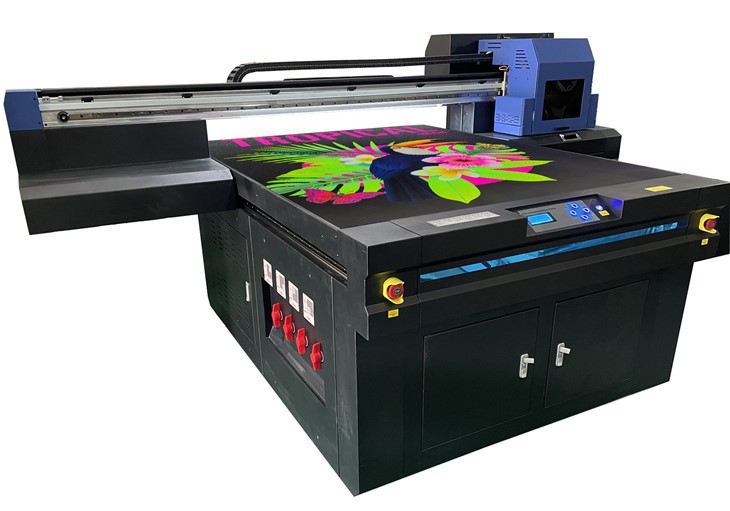
UV Flatbed Printer For Wood
The UV Flatbed Printer For Wood is another popular model in our product line. When printing on wood, the printer needs to maintain a stable and precise movement to ensure high - quality prints. Our engineers have worked hard to reduce the noise associated with the movement of the print heads and the flatbed. The noise level of this printer is typically in the range of 62 - 68 dB at 1 meter. This relatively low noise level is beneficial for workshops where operators may be working in close proximity to the printer for extended periods.
UV 6090 Printer
The UV 6090 Printer is a compact and versatile UV printer. Despite its small size, it doesn't compromise on performance or noise reduction. The printer uses state - of - the - art components that are designed to operate quietly. The noise level of the UV 6090 printer is generally between 60 - 65 dB at 1 meter. This makes it an ideal choice for small - scale printing businesses or home - based operations where noise can be a significant concern.
Factors Affecting Noise Levels
While our printers are designed to have low noise levels, there are several factors that can affect the actual noise output.
Printer Speed: Faster printing speeds often result in higher noise levels. When the printer is set to a high - speed mode, the motors have to work harder, and the movement of the print heads and other components becomes more rapid, which can increase the noise. However, our printers are optimized to maintain a balance between speed and noise, so even at high speeds, the noise levels remain within acceptable limits.
Printing Material: Different printing materials can also influence the noise level. For example, printing on a rough or uneven surface may cause more vibration and noise as the print head moves across it. Our printers are designed to adapt to various materials, but it's important to note that the nature of the material can have a minor impact on the noise.
Maintenance: Regular maintenance is crucial for keeping the noise levels of our UV printers low. Over time, dust and debris can accumulate in the printer's components, which can cause increased friction and noise. By following our recommended maintenance schedule, including cleaning the print heads, lubricating the moving parts, and replacing worn - out components, you can ensure that your printer operates quietly and efficiently.
Benefits of Low - Noise UV Printers
There are several advantages to using low - noise UV printers.
Improved Working Environment: In a printing workplace, a quiet printer can significantly improve the overall working environment. It reduces distractions for the operators, allowing them to focus better on their work. This can lead to increased productivity and job satisfaction.
Compliance with Regulations: Many local authorities have regulations regarding noise levels in commercial and industrial settings. By using our low - noise UV printers, you can ensure that your business complies with these regulations, avoiding potential fines and legal issues.
Customer Appeal: If you operate a printing service, having quiet printers can be a selling point for your customers. It shows that you care about the quality of your service and the comfort of your customers, which can help you attract and retain more business.
Conclusion
As a supplier of top UV printers, we understand the importance of noise reduction. Our printers, such as the Wide Format Flatbed Printer, UV Flatbed Printer For Wood, and UV 6090 Printer, are engineered to provide high - quality printing with minimal noise. Whether you're running a large - scale commercial printing business or a small - scale operation, our low - noise UV printers can meet your needs.
If you're interested in learning more about our UV printers or are considering a purchase, we encourage you to get in touch with us. Our team of experts is ready to assist you in finding the right printer for your specific requirements and to answer any questions you may have about noise levels or other aspects of our products. Let's start a conversation and explore how our top UV printers can enhance your printing operations.
References
- "Handbook of Noise Measurement" by GenRad Inc.
- "Industrial Noise Control and Acoustics" by Clarence W. deSilva