

Hey there! As a supplier of UV Flatbed Printers, I often get asked about the power consumption of these machines. It's a crucial factor for businesses, as it directly impacts operating costs and overall efficiency. So, let's dive into what the power consumption of a UV Flatbed Printer looks like.
Understanding the Basics of Power Consumption
First off, power consumption is measured in watts (W) or kilowatts (kW). The power usage of a UV Flatbed Printer can vary widely depending on several factors. One of the main things that affect it is the size of the printer. Larger printers typically have more components, like bigger print heads, more powerful UV lamps, and larger motors to move the print carriage. These all need electricity to function, so bigger printers generally use more power.
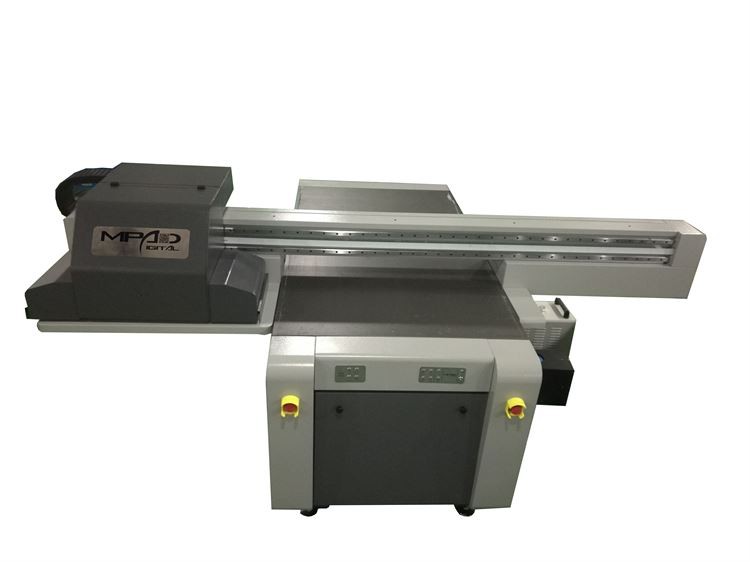
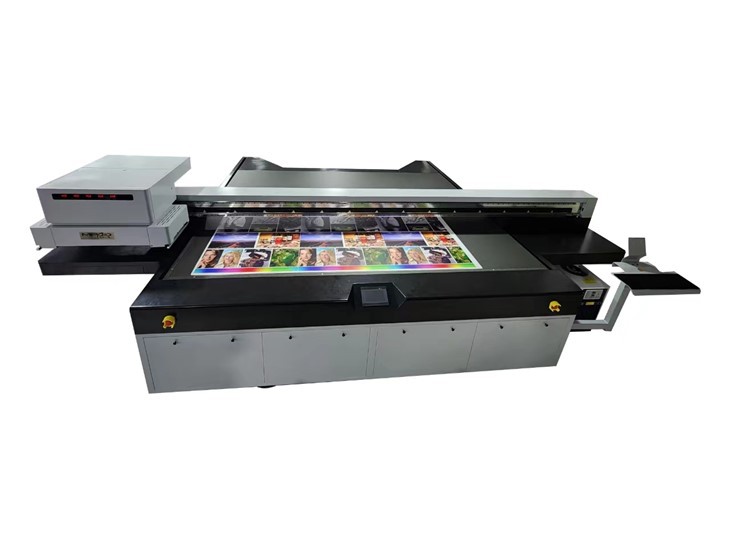
For example, a small - sized UV Flatbed Printer, say one designed for printing on small items like keychains or phone cases, might have a power consumption in the range of 500 - 1000 watts when it's in operation. On the other hand, a large - format UV Flatbed Printer used for printing on big signs or large panels could consume anywhere from 2000 to 5000 watts or even more.
Components and Their Power Usage
Let's break down the different components of a UV Flatbed Printer and how they contribute to power consumption.
Print Heads
The print heads are responsible for spraying the ink onto the printing surface. High - end print heads with more nozzles and higher precision usually require more power. They need to operate at a specific voltage to ensure accurate ink droplet formation and placement. Some advanced print heads can consume a few hundred watts, especially when they are working at high - speed printing modes.
UV Lamps
UV lamps are a critical part of the UV Flatbed Printing process. They cure the UV - curable ink almost instantly, allowing for high - quality prints. However, these lamps are power - hungry. The power consumption of UV lamps depends on their type and size. Mercury - based UV lamps, which are commonly used, can consume several hundred watts each. Some printers have multiple UV lamps to ensure complete curing, which can significantly increase the overall power usage. For instance, a printer with four medium - sized UV lamps might add an extra 1000 - 2000 watts to the total power consumption.
Motors
Motors are used to move the print carriage back and forth and to adjust the height of the printing platform. The power consumption of motors depends on their size and the load they need to carry. Stepper motors, which are commonly used in UV Flatbed Printers, usually consume a relatively small amount of power, typically in the range of 50 - 200 watts. But if the printer has large and heavy - duty motors for high - speed and precise movement, the power consumption can be higher.
Impact of Printing Modes on Power Consumption
The printing mode you choose also has a big impact on how much power the printer uses.
High - Speed Printing
When you set the printer to high - speed printing mode, all the components work at their maximum capacity. The print heads spray ink more rapidly, the motors move the print carriage faster, and the UV lamps need to cure the ink quickly. This results in a significant increase in power consumption. For example, a printer that consumes 1500 watts in normal printing mode might use 2500 watts or more in high - speed mode.
High - Quality Printing
In high - quality printing mode, the print heads make multiple passes over the printing surface to ensure a smooth and detailed print. While the speed is slower compared to high - speed mode, the print heads are operating for a longer period. Also, the UV lamps might need to be more powerful to ensure proper curing of the multiple layers of ink. So, high - quality printing can also lead to increased power consumption, although it might not be as high as in high - speed mode.
Calculating the Cost of Power Consumption
To figure out how much it costs to run a UV Flatbed Printer, you need to consider the power consumption and the cost of electricity in your area. Let's say your printer has a power consumption of 2000 watts (or 2 kilowatts) and you use it for 5 hours a day. The energy consumption per day would be 2 kW x 5 hours = 10 kilowatt - hours (kWh).
If the cost of electricity in your area is $0.15 per kWh, then the daily cost of running the printer would be 10 kWh x $0.15/kWh = $1.50. Over a month (assuming 30 days), the cost would be $1.50 x 30 = $45.
Tips to Reduce Power Consumption
As a supplier, I always want to help my customers save on operating costs. Here are some tips to reduce the power consumption of your UV Flatbed Printer:
- Optimize Printing Settings: Choose the appropriate printing mode based on your needs. If high - quality isn't necessary, use a lower - quality but more power - efficient mode.
- Turn Off Unused Components: When the printer is not in use, turn off the UV lamps and other non - essential components. Some printers have an energy - saving mode that automatically reduces power consumption when idle.
- Regular Maintenance: Keep the printer well - maintained. Clean the print heads regularly to ensure they operate efficiently. A clogged print head might require more power to function properly.
Why Our UV Flatbed Printers Are a Good Choice
At our company, we understand the importance of power efficiency. Our UV Printer Machine models are designed with energy - saving features. We use advanced print heads and UV lamps that offer a good balance between performance and power consumption. Our UV Printer Flatbed models also come with intelligent control systems that adjust the power usage based on the printing task.
If you're into printing on golf balls, our UV Printer Golf Balls is a great option. It's specifically designed for this niche application, and we've optimized its power consumption to keep your operating costs low.
Contact Us for More Information
If you're interested in learning more about our UV Flatbed Printers, their power consumption, or if you're ready to make a purchase, don't hesitate to reach out. We're here to answer all your questions and help you find the perfect printer for your business. Whether you're a small - scale operation or a large - scale printing company, we have a solution for you.
References
- Industry reports on UV Flatbed Printer technology
- Manufacturer specifications of various UV Flatbed Printer models