

Hey there! As a supplier of flatbed printers, I often get asked about print stability. So, let's dig into what print stability of a flatbed printer really means.
First off, print stability refers to the ability of a flatbed printer to consistently produce high - quality prints over time. When you're running a business that relies on printing, whether it's for signage, custom products, or any other application, you need your printer to be reliable. A stable printer won't suddenly start producing blurry, misaligned, or inconsistent prints.
Factors Affecting Print Stability
Mechanical Structure
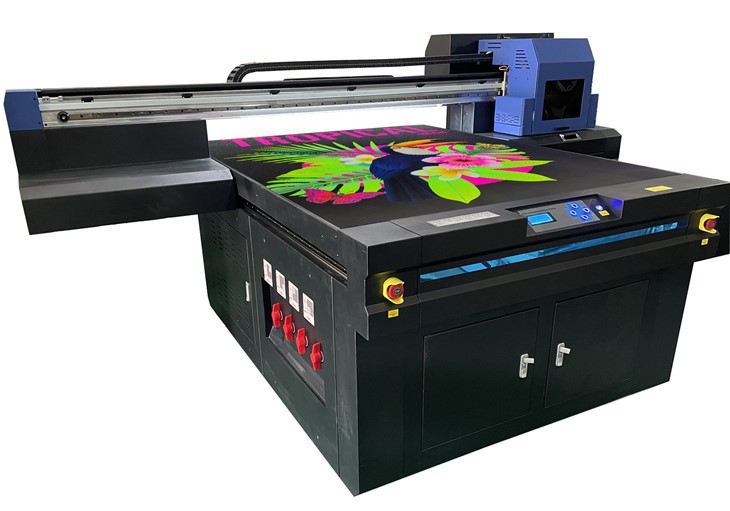
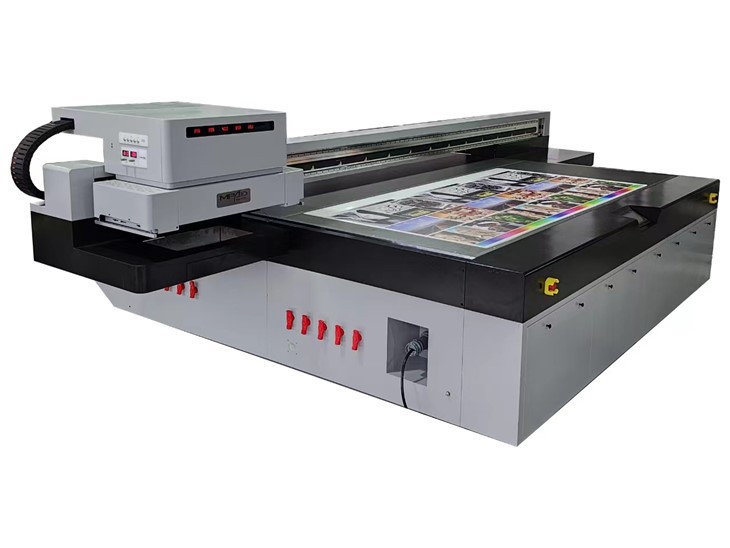
The mechanical structure of a flatbed printer plays a huge role in print stability. A well - built printer with a sturdy frame can withstand vibrations and movements during the printing process. For example, if the printer's frame is flimsy, even the slightest movement can cause the print head to shift, resulting in misaligned prints. Our Wide Format Flatbed Printer is designed with a robust mechanical structure. It has a heavy - duty frame that provides excellent stability, ensuring that the print head moves precisely across the printing area.
Print Head Technology
The print head is like the heart of a flatbed printer. Different print head technologies have different levels of stability. Some older print head models may be more prone to clogging or uneven ink distribution. Newer print head technologies, on the other hand, are designed to be more reliable. They can handle different types of inks and provide more consistent droplet formation. Our Small Format UV Printer uses state - of - the - art print head technology. It has a self - cleaning function that helps prevent clogging and ensures a stable ink flow, resulting in sharp and clear prints every time.
Ink System
The ink system is another crucial factor. An unstable ink system can lead to issues like ink starvation, where the print head doesn't get enough ink, or inconsistent ink color. A good ink system should be able to maintain a consistent ink pressure and flow rate. Our printers are equipped with advanced ink systems that use high - quality pumps and valves to ensure a stable ink supply. This means that you won't have to worry about sudden changes in ink density or color during a long - print job.
Software and Control System
The software and control system of a flatbed printer are responsible for coordinating all the different components. A well - designed software can optimize the printing process and make adjustments in real - time to maintain print stability. For example, it can compensate for any minor mechanical errors or changes in environmental conditions. Our Digital Flatbed Printer comes with intuitive software that allows you to monitor and control the printing process easily. It has built - in algorithms that ensure consistent print quality, even if there are small variations in the printing environment.
Importance of Print Stability
Productivity
When your printer has good print stability, you can run longer print jobs without interruptions. You don't have to stop the printer every few minutes to fix issues like misaligned prints or clogged print heads. This means that you can increase your productivity and get more work done in less time. For businesses, this can translate into higher profits and a better reputation in the market.
Quality Assurance
Print stability is directly related to print quality. A stable printer will produce prints with consistent colors, sharp details, and accurate registration. This is especially important for industries where high - quality prints are required, such as the advertising and packaging industries. If your prints are of poor quality, it can damage your brand image and lead to customer dissatisfaction.
Cost - Efficiency
An unstable printer can be costly in the long run. You may have to spend more on ink, print heads, and maintenance due to frequent breakdowns and print quality issues. On the other hand, a stable printer requires less maintenance and has a lower cost of ownership. You can save money on replacement parts and reduce the amount of wasted materials.
How to Ensure Print Stability
Regular Maintenance
Regular maintenance is key to ensuring print stability. This includes cleaning the print heads, checking the ink levels, and inspecting the mechanical components for any signs of wear and tear. You should also follow the manufacturer's recommended maintenance schedule. For example, you may need to clean the print heads once a week or replace the ink filters every few months.
Using High - Quality Materials
Using high - quality inks and substrates is also important. Low - quality inks may contain impurities that can clog the print heads or cause inconsistent color results. Similarly, poor - quality substrates may not be compatible with the printer and can lead to adhesion issues or uneven printing. Make sure to use the inks and substrates that are recommended by the printer manufacturer.
Proper Environment
The printing environment can also affect print stability. Extreme temperatures, humidity, and dust can all have a negative impact on the printer's performance. Try to keep the printer in a clean, temperature - controlled environment. You may also want to use air filters to reduce the amount of dust in the printing area.
Conclusion
In conclusion, print stability is a crucial aspect of a flatbed printer. It affects productivity, print quality, and cost - efficiency. As a supplier, we understand the importance of providing printers with excellent print stability. Our Wide Format Flatbed Printer, Small Format UV Printer, and Digital Flatbed Printer are all designed with the latest technologies and features to ensure maximum print stability.
If you're in the market for a flatbed printer and want to learn more about our products, or if you have any questions about print stability, don't hesitate to reach out. We're here to help you make the right choice for your business. Contact us today to start a discussion about your printing needs and how we can assist you.
References
- Industry reports on flatbed printer technology
- Technical specifications of our flatbed printers
- User feedback and case studies on print stability