

Hey there! As a supplier of Uv Varnish Printers, I often get asked about the printing speed of these machines. So, I thought I'd write this blog to give you a better understanding of what goes into the printing speed of a Uv Varnish Printer.
First off, let's talk about what a Uv Varnish Printer is. It's a type of printer that uses UV-curable varnish to add a glossy or matte finish to printed materials. This can be used on a variety of substrates, including paper, cardboard, plastic, and even metal. The UV varnish is cured almost instantly using UV light, which means you can get a high-quality finish without having to wait for the varnish to dry.
Now, let's get to the main question: what is the printing speed of a Uv Varnish Printer? Well, the answer isn't as straightforward as you might think. The printing speed of a Uv Varnish Printer can vary depending on a number of factors, including the type of printer, the substrate being printed on, the complexity of the design, and the quality of the finish.
Types of Uv Varnish Printers
There are two main types of Uv Varnish Printers: single-pass printers and multi-pass printers. Single-pass printers are designed to print the entire image in one pass, which means they can achieve very high printing speeds. Multi-pass printers, on the other hand, print the image in multiple passes, which can take longer but can also result in a higher quality finish.
Single-pass printers are generally faster than multi-pass printers, but they may not be suitable for all types of printing jobs. For example, if you're printing a complex design with a lot of detail, a multi-pass printer may be a better option.
Substrate Being Printed On
The type of substrate being printed on can also have a big impact on the printing speed of a Uv Varnish Printer. Some substrates, such as paper and cardboard, are relatively easy to print on and can be printed at a faster speed. Other substrates, such as plastic and metal, may require a slower printing speed to ensure a high-quality finish.
The thickness of the substrate can also affect the printing speed. Thicker substrates may require a slower printing speed to ensure that the UV varnish is properly cured.
Complexity of the Design
The complexity of the design being printed can also affect the printing speed of a Uv Varnish Printer. A simple design with few colors and little detail can be printed at a faster speed than a complex design with many colors and a lot of detail.
If you're printing a design with a lot of fine lines or small text, you may need to slow down the printing speed to ensure that the details are printed clearly.
Quality of the Finish
The quality of the finish you're looking for can also affect the printing speed of a Uv Varnish Printer. If you're looking for a high-quality finish with a lot of gloss or a smooth matte finish, you may need to slow down the printing speed to ensure that the UV varnish is applied evenly and cured properly.
On the other hand, if you're looking for a more basic finish, you may be able to print at a faster speed.
Typical Printing Speeds
So, what are the typical printing speeds of a Uv Varnish Printer? Well, it really depends on the factors we've discussed above. However, as a general rule of thumb, single-pass Uv Varnish Printers can achieve printing speeds of up to 100 meters per minute, while multi-pass Uv Varnish Printers can achieve printing speeds of up to 30 meters per minute.
Of course, these are just rough estimates, and the actual printing speed of your Uv Varnish Printer may be higher or lower depending on the specific model and the printing conditions.
How to Improve Printing Speed
If you're looking to improve the printing speed of your Uv Varnish Printer, there are a few things you can do. First, make sure you're using the right type of printer for your printing job. If you're printing a lot of simple designs, a single-pass printer may be a better option. If you're printing more complex designs, a multi-pass printer may be a better choice.
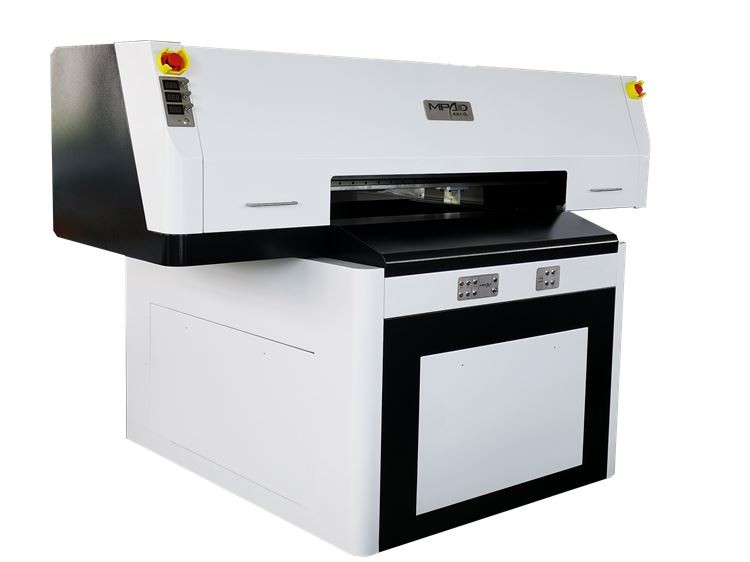
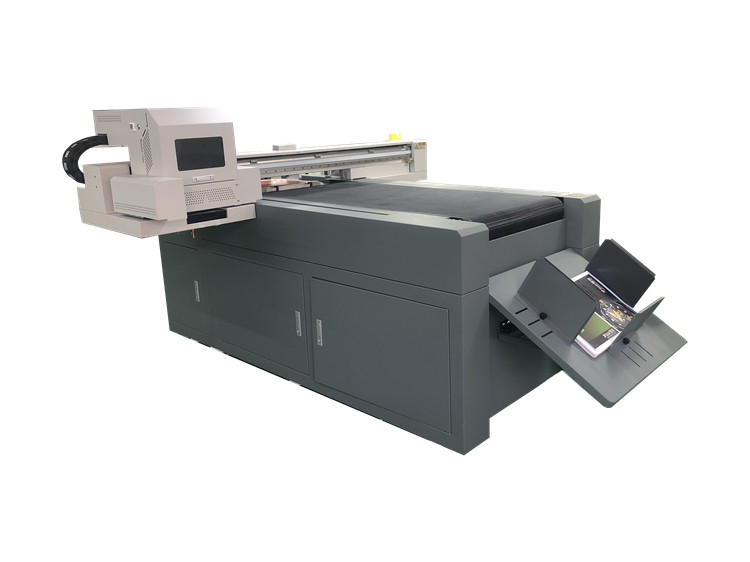
Second, make sure you're using the right substrate for your printing job. Using a substrate that is easy to print on and has a smooth surface can help improve the printing speed.
Third, optimize your printing settings. Make sure you're using the right print resolution, ink density, and curing settings for your printing job. This can help ensure that you're getting the best possible printing speed and quality.
Conclusion
In conclusion, the printing speed of a Uv Varnish Printer can vary depending on a number of factors, including the type of printer, the substrate being printed on, the complexity of the design, and the quality of the finish. Single-pass printers are generally faster than multi-pass printers, but they may not be suitable for all types of printing jobs.
If you're in the market for a Uv Varnish Printer, it's important to consider your specific printing needs and choose a printer that can meet those needs. And if you have any questions or need help choosing the right printer for your business, don't hesitate to reach out to us. We're here to help!
If you're also interested in other related printing machines, check out our Digital Foiling Printing Machine and UV Spot Printer.
If you're thinking about purchasing a Uv Varnish Printer or have any questions about our products, feel free to contact us. We'd be more than happy to have a chat with you and discuss how our printers can meet your business needs. Let's start a conversation and see how we can help you take your printing to the next level!
References
- General knowledge about Uv Varnish Printers from industry experience.
- Technical specifications of various Uv Varnish Printers available in the market.