
Hey there! As a Print UV supplier, I've seen firsthand how amazing this technology is. It can create high - quality, durable prints on a variety of materials. But like any powerful tool, using Print UV comes with its own set of safety risks. So, in this blog, I'm gonna share some safety precautions you should take when using Print UV.
Personal Protective Equipment (PPE)
First off, let's talk about personal protective equipment. This is your first line of defense against potential hazards.
Safety Glasses
UV light can be really harmful to your eyes. Exposure to UV radiation can cause short - term problems like eye irritation, redness, and pain, and long - term issues such as cataracts. That's why you should always wear safety glasses designed to block UV rays when operating Print UV equipment. These glasses act as a shield, preventing the harmful UV light from reaching your eyes. You can find a variety of safety glasses in the market, just make sure they are rated to block UV wavelengths.
Gloves
The inks used in Print UV systems can be toxic. They may contain chemicals that can cause skin irritation, allergic reactions, or even more serious health problems if absorbed through the skin. Wearing chemical - resistant gloves is a must. Nitrile gloves are a popular choice as they offer good resistance to many chemicals commonly found in UV inks. Make sure to change your gloves regularly, especially if they get contaminated with ink.
Respirators
When Print UV equipment is in operation, it can release fumes and volatile organic compounds (VOCs). Breathing in these fumes can be harmful to your respiratory system. A proper respirator can help filter out these harmful particles and gases. Look for a respirator that is rated for the specific chemicals and particles you might be exposed to. For example, if the inks emit solvents, you'll need a respirator with a solvent - absorbing cartridge.
Equipment Safety
Taking care of your Print UV equipment is not only important for its performance but also for your safety.
Regular Maintenance
Just like a car needs regular servicing, your Print UV equipment also requires maintenance. Check the UV lamps regularly for signs of damage or wear. A damaged lamp can emit uneven UV radiation or even pose a risk of electrical shock. Inspect the ink delivery system for leaks. Leaking ink can not only waste materials but also create a safety hazard. Make sure all the electrical connections are tight and there are no exposed wires.
Proper Ventilation
As I mentioned earlier, Print UV operations can release fumes and VOCs. Adequate ventilation is crucial to keep the air in the workspace clean. Install exhaust fans or ventilation systems that can remove the fumes from the area. The ventilation system should be designed to handle the volume of fumes generated by your specific Print UV equipment. If possible, position the equipment near a window or an area with good natural airflow.
Safe Installation
When installing your Print UV equipment, make sure it is placed on a stable surface. It should be level to prevent any vibrations that could affect the printing quality or cause the equipment to tip over. Follow the manufacturer's instructions carefully for the installation process. Ensure that there is enough space around the equipment for easy access and maintenance.
Handling UV Inks
UV inks are a key component of Print UV technology, but they need to be handled with care.
Storage
Store UV inks in a cool, dry place away from direct sunlight. UV light can cause the inks to start curing prematurely, which can ruin the ink and make it unusable. Keep the ink containers tightly sealed to prevent evaporation and contamination. Label the containers clearly with the type of ink and the date of purchase.
Mixing
If you need to mix different inks, do it in a well - ventilated area. Use the proper mixing tools and follow the manufacturer's instructions. Make sure to clean the mixing tools thoroughly after each use to prevent cross - contamination.
Disposal
Don't just throw away used ink containers or leftover ink. They are considered hazardous waste and need to be disposed of properly. Contact your local waste management facility to find out the correct procedures for disposing of UV inks.
Workspace Safety
Your workspace plays a big role in ensuring your safety when using Print UV.
Cleanliness
Keep your workspace clean and organized. Spilled ink can create a slippery surface, increasing the risk of falls. Wipe up any spills immediately using absorbent materials. Remove any clutter from around the equipment to prevent tripping hazards.
Fire Safety
UV inks and some of the components of Print UV equipment are flammable. Have a fire extinguisher nearby that is suitable for extinguishing fires involving flammable liquids and electrical equipment. Make sure all employees know how to use the fire extinguisher.
Training
Proper training is essential for anyone who will be using Print UV equipment.
Manufacturer Training
Most Print UV equipment manufacturers offer training programs. These programs can teach you how to operate the equipment safely and efficiently. They will also cover topics like ink handling, maintenance, and troubleshooting. Take advantage of these training opportunities to learn from the experts.
On - the - Job Training
In addition to manufacturer training, on - the - job training can be very helpful. Experienced employees can share their practical knowledge and tips with new employees. This can help new employees get up to speed quickly and learn about the specific safety procedures in your workplace.
Conclusion
Using Print UV technology can be a great way to create stunning prints, but safety should always be your top priority. By following these safety precautions, you can protect yourself, your employees, and your equipment.
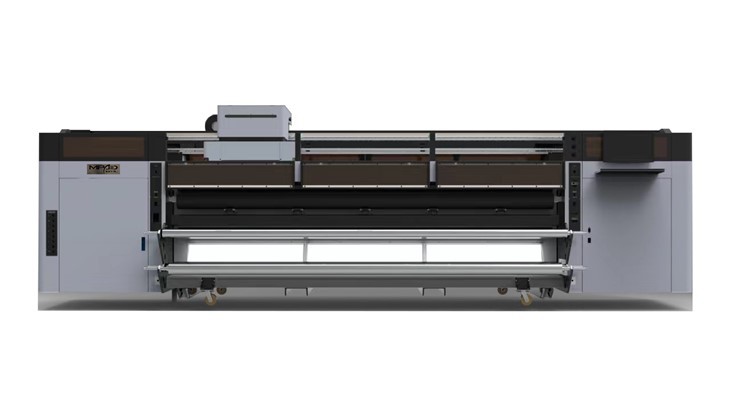
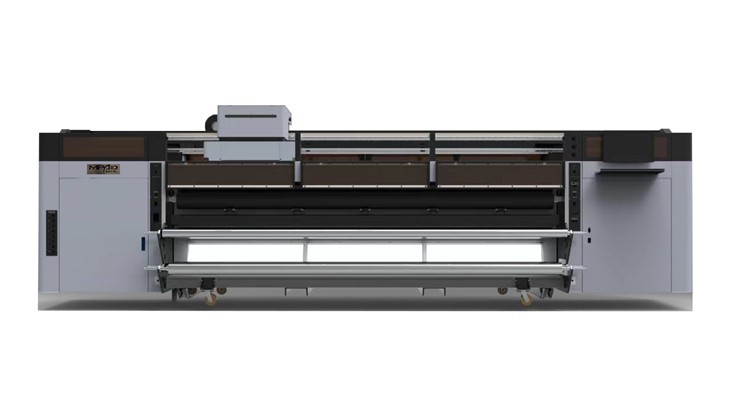
If you're in the market for high - quality Print UV equipment, we offer a range of products such as Printer UV Roll To Roll, Roll To Roll Printing Machine, and UV Roll To Roll Printer. We're here to help you find the right solution for your printing needs. If you have any questions or want to discuss a potential purchase, don't hesitate to reach out. We'd love to have a chat and see how we can work together.
References
- Occupational Safety and Health Administration (OSHA) guidelines on chemical safety and equipment operation.
- Manufacturer's manuals for Print UV equipment and UV inks.
- Industry research on the health effects of UV inks and fumes.