

Can a Flatbed Printer Print on Zinc?
As a supplier of Flatbed Printers, I often receive inquiries from customers about the types of materials our printers can handle. One question that comes up quite frequently is whether a flatbed printer can print on zinc. In this blog post, I'll delve into this topic, exploring the technical aspects, challenges, and potential solutions related to printing on zinc using a flatbed printer.
Understanding Flatbed Printers
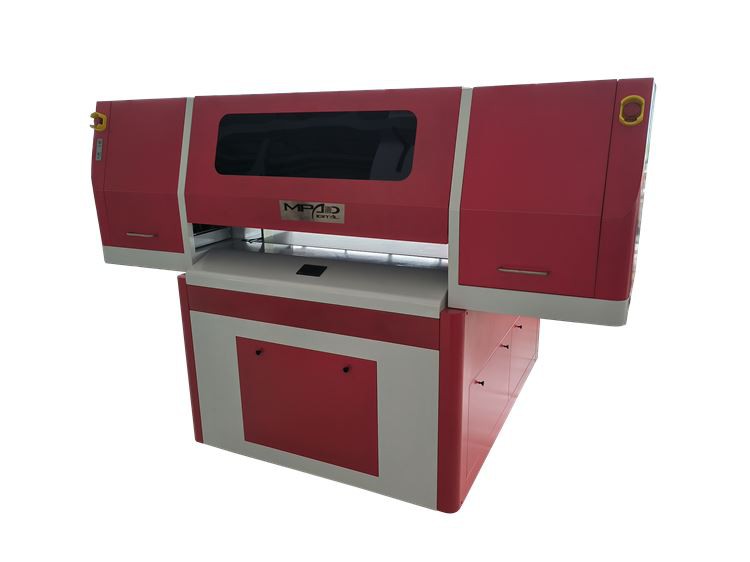
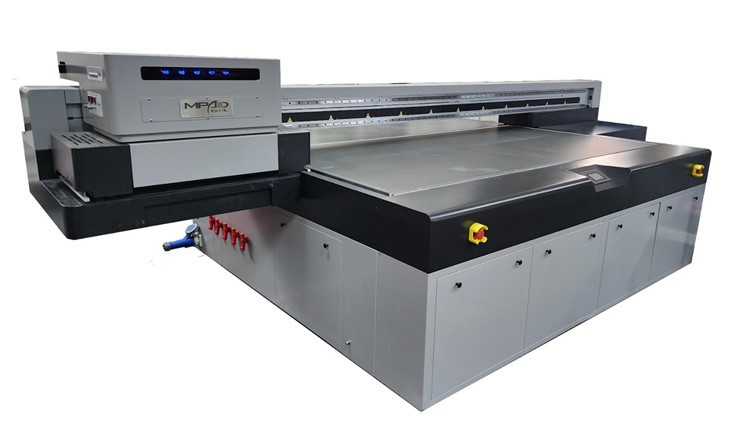
Before we discuss printing on zinc, let's first understand what a flatbed printer is. A Flatbed Printer is a type of digital printer that can print directly onto a flat surface. Unlike traditional printers that require paper or other flexible media, flatbed printers can print on a wide range of rigid materials, including wood, glass, metal, and plastic. This versatility makes them ideal for a variety of applications, such as signage, industrial marking, and personalized gifts.
One of the most popular types of flatbed printers is the Digital Flatbed UV Printer. These printers use ultraviolet (UV) light to cure the ink instantly as it is printed onto the surface. This results in a high-quality, durable print that is resistant to fading, scratching, and water damage. UV printers are also environmentally friendly, as they do not emit harmful volatile organic compounds (VOCs) during the printing process.
Printing on Zinc
Zinc is a metallic element that is commonly used in a variety of industries, including construction, automotive, and electronics. It is known for its corrosion resistance, ductility, and low melting point. While zinc is a relatively hard and smooth material, it can be printed on using a flatbed printer. However, there are several factors that need to be considered before attempting to print on zinc.
Surface Preparation
The first step in printing on zinc is to prepare the surface. Zinc has a smooth, non-porous surface that can make it difficult for the ink to adhere. To improve adhesion, the surface of the zinc needs to be cleaned and treated before printing. This can be done using a mild detergent and water to remove any dirt, grease, or oil from the surface. Once the surface is clean, it can be treated with a primer or adhesion promoter to help the ink bond to the zinc.
Ink Compatibility
Another important factor to consider when printing on zinc is ink compatibility. Not all inks are suitable for printing on metal surfaces, especially zinc. UV inks are generally the best choice for printing on zinc, as they are designed to adhere to a variety of surfaces and provide a durable, long-lasting print. However, it is important to choose an ink that is specifically formulated for printing on metal. These inks typically contain special additives that help them bond to the metal surface and provide excellent adhesion and durability.
Printer Settings
In addition to surface preparation and ink compatibility, the printer settings also need to be adjusted to ensure a successful print on zinc. The printer settings will depend on the type of printer, the ink being used, and the thickness and texture of the zinc. Generally, a higher resolution and a slower printing speed are recommended for printing on zinc to ensure a high-quality, detailed print. It may also be necessary to adjust the printhead height and the ink density to achieve the best results.
Challenges and Solutions
While it is possible to print on zinc using a flatbed printer, there are several challenges that need to be overcome. One of the main challenges is achieving good adhesion between the ink and the zinc surface. As mentioned earlier, zinc has a smooth, non-porous surface that can make it difficult for the ink to bond. To overcome this challenge, it is important to properly prepare the surface and use an ink that is specifically formulated for printing on metal.
Another challenge is preventing the ink from cracking or peeling over time. Zinc is a relatively soft metal that can expand and contract with changes in temperature and humidity. This can cause the ink to crack or peel, especially if it is not properly adhered to the surface. To prevent this from happening, it is important to use a high-quality ink that is designed to withstand these environmental conditions. It may also be necessary to apply a protective coating over the print to help prevent cracking and peeling.
Applications of Printing on Zinc
Printing on zinc using a flatbed printer has a variety of applications in different industries. In the construction industry, zinc is often used for roofing, cladding, and decorative elements. Printing on zinc can add a unique, personalized touch to these elements, making them stand out from the competition. In the automotive industry, zinc is used for parts such as engine blocks, transmission cases, and brake components. Printing on these parts can provide important information, such as part numbers, serial numbers, and safety warnings.
In the electronics industry, zinc is used for printed circuit boards (PCBs) and other electronic components. Printing on these components can provide important information, such as circuit diagrams, component values, and manufacturing dates. In the advertising and signage industry, printing on zinc can create eye-catching signs and displays that are durable and long-lasting.
Conclusion
In conclusion, a flatbed printer can print on zinc, but it requires proper surface preparation, ink compatibility, and printer settings. While there are some challenges associated with printing on zinc, these can be overcome with the right techniques and materials. Printing on zinc using a flatbed printer has a variety of applications in different industries, and it can provide a unique, personalized touch to a variety of products.
If you are interested in learning more about our Flatbed Printers and their capabilities for printing on zinc or other materials, please feel free to contact us. Our team of experts is available to answer any questions you may have and to help you find the right printer and ink for your specific needs. We look forward to working with you to create high-quality, durable prints on zinc and other materials.
References
- Smith, J. (2020). Digital Printing on Metal Surfaces. Journal of Printing Technology, 15(2), 45-52.
- Johnson, A. (2019). UV Printing: Principles and Applications. Printing Press, Inc.
- Brown, R. (2018). Adhesion Promoters for Printing on Metal. Metal Printing Magazine, 22(3), 67-74.