
As a supplier of Hybrid Printers, I often encounter a wide range of inquiries from potential customers. One question that comes up quite frequently is, "Can a hybrid printer print on metal?" In this blog post, I'll delve into the details of this topic, exploring the capabilities of hybrid printers when it comes to printing on metal surfaces.
Understanding Hybrid Printers
Before we discuss the possibility of printing on metal, let's first understand what hybrid printers are. Hybrid printers combine the features of different printing technologies, typically integrating UV inkjet technology with other functionalities. This combination allows them to print on a variety of substrates, including rigid and flexible materials.
Hybrid printers, such as the ones available at Hybrid Printing Machine, are known for their versatility. They can handle different types of media, from paper and plastic to wood and glass. This flexibility makes them a popular choice for businesses that need to print on various materials for different applications.
The Science Behind Printing on Metal
Printing on metal presents unique challenges compared to other materials. Metal surfaces are often smooth, non - porous, and can be highly reflective. These characteristics can affect the adhesion of the ink and the quality of the print.
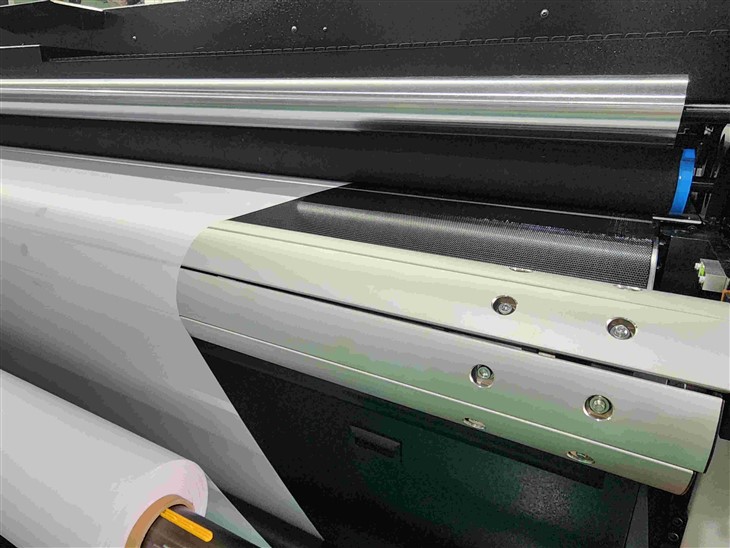
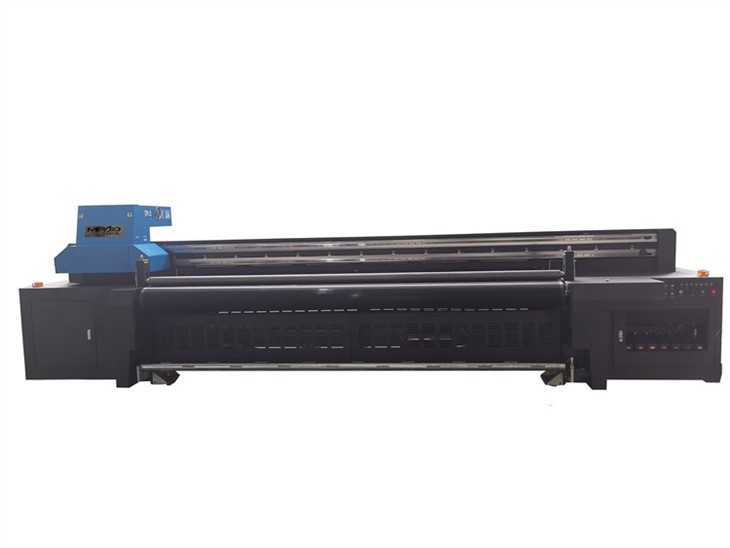
UV inkjet technology, which is commonly used in UV Inkjet Printer and many hybrid printers, offers a solution to some of these challenges. UV inks are formulated to cure instantly when exposed to ultraviolet light. This rapid curing process helps the ink adhere better to the metal surface, preventing smudging and ensuring a durable print.
When a hybrid printer uses UV inkjet technology to print on metal, the printer first deposits the ink droplets onto the metal surface. Then, a UV lamp immediately cures the ink, bonding it to the metal. The key to successful printing on metal lies in the proper preparation of the metal surface and the right choice of UV inks.
Surface Preparation
Proper surface preparation is crucial for achieving high - quality prints on metal. The metal surface should be clean and free of any contaminants such as oil, grease, or dust. A simple cleaning process with a mild detergent and a lint - free cloth can often remove these impurities.
In some cases, a primer may be applied to the metal surface. A primer helps to improve the adhesion of the UV ink to the metal. It creates a more porous and receptive surface for the ink, enhancing the overall print quality and durability. The type of primer used depends on the specific type of metal and the requirements of the print job.
Ink Selection
Not all UV inks are suitable for printing on metal. When choosing an ink for metal printing, factors such as adhesion, flexibility, and chemical resistance need to be considered. Specialized UV inks for metal printing are formulated to have excellent adhesion properties on metal surfaces. They can withstand the bending, stretching, and environmental conditions that the printed metal product may encounter.
Applications of Printing on Metal with Hybrid Printers
There are numerous applications for printing on metal using hybrid printers. In the signage industry, metal signs with high - quality graphics can be created for indoor and outdoor use. These signs are not only visually appealing but also durable, able to withstand harsh weather conditions.
In the manufacturing sector, hybrid printers can be used to print serial numbers, barcodes, and logos on metal parts. This helps with product identification and traceability. For the art and design industry, artists can use hybrid printers to create unique metal artworks, adding a new dimension to their creative expressions.
Advantages of Using Hybrid Printers for Metal Printing
One of the main advantages of using hybrid printers for metal printing is the high level of customization. Unlike traditional printing methods, hybrid printers can produce variable data prints, allowing for different designs, texts, or images to be printed on each metal piece.
Hybrid printers also offer a relatively fast turnaround time. The instant curing of UV inks means that the printed metal products can be handled and processed immediately after printing, reducing production time and increasing efficiency.
Limitations and Challenges
Despite the many benefits, there are still some limitations and challenges when using hybrid printers to print on metal. The cost of specialized UV inks for metal printing can be relatively high. Additionally, the printing process may require more technical expertise, especially when it comes to surface preparation and ink selection.
The size of the metal pieces that can be printed may also be limited by the dimensions of the printer's printing area. Large - scale metal printing may require the use of multiple passes or larger - format printers.
Conclusion
In conclusion, a hybrid printer can indeed print on metal. Thanks to the integration of UV inkjet technology, hybrid printers offer a viable solution for printing high - quality, durable, and customized prints on metal surfaces. However, proper surface preparation, the right choice of inks, and technical know - how are essential for achieving optimal results.
If you are interested in exploring the possibilities of metal printing with hybrid printers, I encourage you to get in touch with us. Our team of experts can provide you with more information, offer guidance on surface preparation and ink selection, and help you find the right hybrid printer for your specific needs. Whether you are a small - scale business looking to add metal printing to your product offerings or a large - scale manufacturer in need of efficient metal printing solutions, we are here to assist you.
References
- "UV Inkjet Printing Technology" - A technical guide on UV inkjet printing and its applications.
- "Printing on Metal: Best Practices" - An industry - specific report on the challenges and solutions of printing on metal surfaces.