

As a supplier of Single Pass Printers, I often encounter a question from potential customers: Can a Single Pass Printer print on fabric? This question is not only relevant to those in the textile industry but also to anyone looking for versatile printing solutions. In this blog post, I'll explore the capabilities of Single Pass Printers when it comes to fabric printing, the technology behind it, and the benefits it offers.
Understanding Single Pass Printers
Before delving into fabric printing, let's first understand what a Single Pass Printer is. A Single Pass Printer is a high - speed digital printing device that can print an entire image in one pass over the substrate. Unlike traditional multi - pass printers that require multiple passes to build up an image, single pass printers are designed for high - volume production. They use advanced inkjet technology, with a row of printheads that span the width of the printing area. This allows for quick and efficient printing, making them ideal for industries that demand high - speed and high - quality output.
Single Pass Printers are commonly used in various industries, such as Carton Printing Machine and Corrugated Board Printing Machine. These printers can handle different types of substrates, including paper, cardboard, and plastic. But what about fabric?
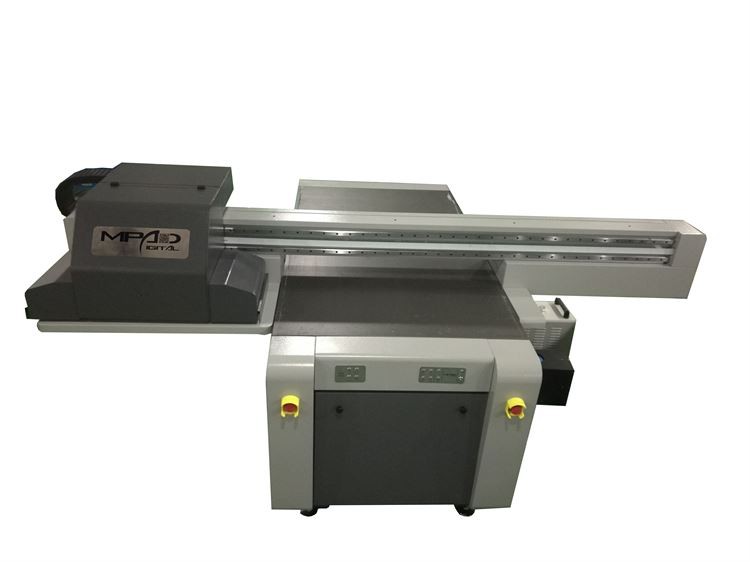
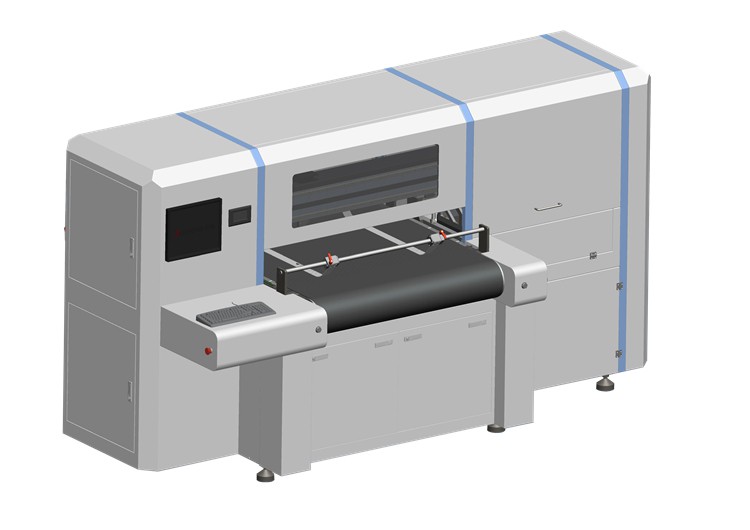
Can Single Pass Printers Print on Fabric?
The short answer is yes, Single Pass Printers can print on fabric. However, there are several factors to consider to ensure successful fabric printing.
Ink Compatibility
One of the most critical factors is ink compatibility. Fabrics have different properties, such as porosity, absorbency, and surface texture. The ink used in a Single Pass Printer must be formulated to adhere to the fabric properly. For example, reactive inks are suitable for natural fibers like cotton and silk, as they chemically bond with the fibers. Disperse inks, on the other hand, are used for synthetic fibers such as polyester.
Our Single Pass Printers can be configured to use different types of inks, depending on the fabric type. This flexibility allows us to meet the diverse needs of our customers in the textile industry.
Fabric Preparation
Proper fabric preparation is also essential for high - quality printing. The fabric should be clean, free of dirt, oils, and other contaminants. Sometimes, a pre - treatment process may be required to improve ink adhesion and color fastness. This can involve applying a special coating or treatment to the fabric surface.
Printer Configuration
The printer itself needs to be configured correctly for fabric printing. This includes adjusting the printhead height, ink droplet size, and printing speed. The printhead height should be set to ensure that the ink is deposited accurately on the fabric surface. The ink droplet size affects the resolution and color saturation of the printed image. And the printing speed needs to be optimized to balance productivity and print quality.
Benefits of Using Single Pass Printers for Fabric Printing
High - Speed Production
One of the main advantages of using a Single Pass Printer for fabric printing is its high - speed production capability. In the textile industry, time is of the essence, especially when it comes to large - scale orders. Single Pass Printers can print at speeds that are significantly faster than traditional printing methods, allowing manufacturers to meet tight deadlines and increase their production capacity.
High - Quality Printing
Single Pass Printers can produce high - quality prints with excellent color accuracy and resolution. The advanced inkjet technology used in these printers ensures that the colors are vibrant and the details are sharp. This is crucial for creating eye - catching designs on fabric, whether it's for fashion, home decor, or other applications.
Versatility
Single Pass Printers offer great versatility in fabric printing. They can print on a wide range of fabric types, including natural fibers, synthetic fibers, and blends. This allows textile manufacturers to expand their product offerings and cater to different market segments.
Cost - Efficiency
In the long run, using a Single Pass Printer for fabric printing can be cost - efficient. Although the initial investment may be higher compared to some traditional printing methods, the lower operating costs, such as reduced labor and ink consumption, can result in significant savings over time.
Case Studies
Let's take a look at some real - world examples of how our Single Pass Printers have been used for fabric printing.
A fashion brand was looking for a way to produce custom - printed fabrics for their new collection. They needed a solution that could print high - quality designs quickly and efficiently. After installing our Single Pass Printer, they were able to print unique patterns on various fabric types, including silk and cotton. The high - speed production allowed them to meet their production deadlines, and the high - quality prints helped them stand out in the market.
Another customer, a home decor manufacturer, wanted to print large - scale patterns on polyester fabric for curtains and upholstery. Our Single Pass Printer, configured with disperse inks, was able to produce vibrant and durable prints. The versatility of the printer also allowed them to experiment with different designs and colors, which helped them expand their product line.
Future Trends in Single Pass Fabric Printing
The future of Single Pass fabric printing looks promising. As technology continues to advance, we can expect to see even higher - speed printing, better color accuracy, and more environmentally friendly inks.
There is also a growing demand for sustainable printing solutions in the textile industry. Our company is committed to developing and offering Single Pass Printers that use eco - friendly inks and reduce waste. This not only meets the needs of our customers but also contributes to a more sustainable future.
Conclusion
In conclusion, Single Pass Printers are a viable option for fabric printing. With the right ink, proper fabric preparation, and correct printer configuration, these printers can produce high - quality, high - speed prints on a wide range of fabric types. The benefits of using Single Pass Printers for fabric printing, such as high - speed production, high - quality printing, versatility, and cost - efficiency, make them an attractive choice for textile manufacturers.
If you are in the textile industry and are looking for a reliable and efficient fabric printing solution, we invite you to contact us for a consultation. Our team of experts can help you determine the best printer configuration for your specific needs and guide you through the process of integrating a Single Pass Printer into your production line.
References
- "Digital Textile Printing Technology" by [Author's Name], [Publisher], [Year]
- "Inkjet Printing on Textiles" by [Author's Name], [Publisher], [Year]
- Industry reports on textile printing technology and trends.