
As a supplier of Hybrid Printers, I often encounter a common question from our customers: "Can I use third - party ink in a hybrid printer?" This is a crucial question that deserves a detailed and well - informed answer. In this blog post, I'll delve into the intricacies of using third - party ink in hybrid printers, exploring the pros and cons, potential risks, and how it might impact your printing operations.
Understanding Hybrid Printers
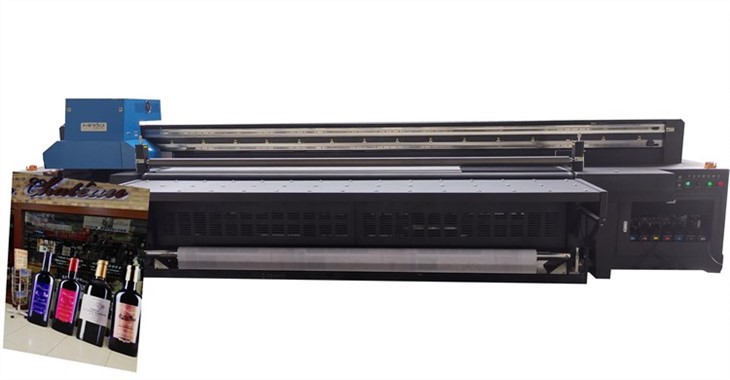
Before we discuss the use of third - party ink, it's essential to understand what hybrid printers are. Hybrid printers, such as UV Ink Jet Printer, UV Hybrid Printers, and Digital UV Printer, combine the features of different printing technologies. They are designed to offer high - quality printing on a variety of substrates, including rigid and flexible materials. These printers use ultraviolet (UV) ink, which cures instantly when exposed to UV light, resulting in sharp images, vibrant colors, and excellent adhesion.

The Appeal of Third - Party Ink
One of the primary reasons customers consider using third - party ink is cost. Third - party ink is often significantly cheaper than the ink supplied by the printer manufacturer. For businesses looking to reduce their printing costs, this can be a very attractive option. Additionally, some third - party ink manufacturers claim to offer ink that is comparable in quality to the original equipment manufacturer (OEM) ink. They may also provide a wider range of colors or specialized inks for specific applications.
Potential Benefits of Using Third - Party Ink
- Cost Savings: As mentioned earlier, cost is a major factor. By using third - party ink, businesses can save a substantial amount of money, especially if they have high - volume printing needs. This cost savings can be redirected towards other areas of the business, such as marketing or research and development.
- Color Variety: Some third - party ink suppliers offer a broader spectrum of colors, allowing for more creative and unique printing projects. This can be particularly beneficial for industries such as graphic design, advertising, and fine art printing.
Potential Risks of Using Third - Party Ink
- Print Quality: One of the most significant concerns with third - party ink is the potential impact on print quality. OEM inks are specifically formulated to work with their printers, ensuring optimal performance, color accuracy, and durability. Third - party inks may not have the same level of compatibility, which can result in issues such as color shifting, poor adhesion, and reduced image sharpness.
- Printer Damage: Using incompatible ink can cause damage to the printer's internal components. The ink may clog the print heads, leading to poor print quality or even complete printer failure. In some cases, using third - party ink may void the printer's warranty, leaving you responsible for any repair costs.
- Long - Term Performance: Over time, the use of third - party ink may affect the long - term performance of the printer. The ink may leave residue in the printer's ink system, which can accumulate and cause problems with ink flow and curing. This can lead to increased maintenance requirements and a shorter lifespan for the printer.
Evaluating Third - Party Ink
If you're considering using third - party ink, it's essential to do your research. Look for reputable third - party ink suppliers that have a proven track record of producing high - quality ink. Read customer reviews and testimonials to get an idea of the ink's performance and compatibility with your printer model. You may also want to request samples of the ink to test on your printer before making a large purchase.
Our Recommendation as a Hybrid Printer Supplier
As a supplier of hybrid printers, we understand the desire to save money on ink. However, we strongly recommend using OEM ink whenever possible. Our printers are designed and tested to work with our specific ink formulations, ensuring the best possible print quality, reliability, and long - term performance. Using OEM ink also helps to maintain the printer's warranty, giving you peace of mind and protection against unexpected repair costs.
That being said, we recognize that there may be situations where using third - party ink is a viable option. If you choose to go this route, make sure you take the necessary precautions to minimize the risks. Test the ink thoroughly, monitor the printer's performance closely, and be prepared to address any issues that may arise.
Conclusion
The question of whether you can use third - party ink in a hybrid printer is not a straightforward one. While there are potential cost savings and other benefits, there are also significant risks involved. As a hybrid printer supplier, we believe that using OEM ink is the best way to ensure optimal print quality, reliability, and long - term performance. However, if you decide to use third - party ink, do your due diligence and take the necessary precautions to protect your investment.
If you have any further questions about hybrid printers, ink, or our products and services, we encourage you to reach out to us. We are here to help you make the best decisions for your printing needs. Whether you're a small business owner, a large corporation, or a creative professional, we can provide you with the guidance and support you need to achieve your printing goals. Contact us today to start a conversation about your printing requirements and explore the possibilities with our UV Ink Jet Printer, UV Hybrid Printers, and Digital UV Printer.
References
- Industry reports on printer ink compatibility
- Manufacturer's guidelines for hybrid printers and ink usage
- Customer testimonials and reviews on third - party ink products