
As a supplier of 2513 UV printers, I often receive inquiries from customers about the printer's capabilities, especially regarding its compatibility with different materials. One question that comes up frequently is, "Can the 2513 UV printer print on ceramic?" In this blog post, I will delve into this topic in detail, exploring the technical aspects, advantages, limitations, and considerations when using a 2513 UV printer for ceramic printing.
Understanding the 2513 UV Printer
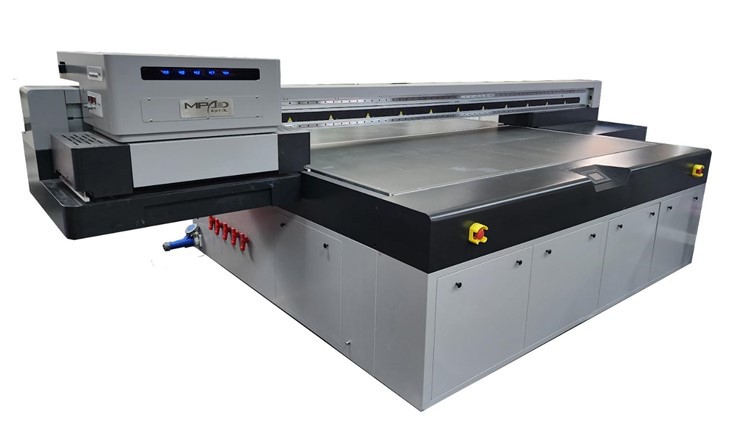
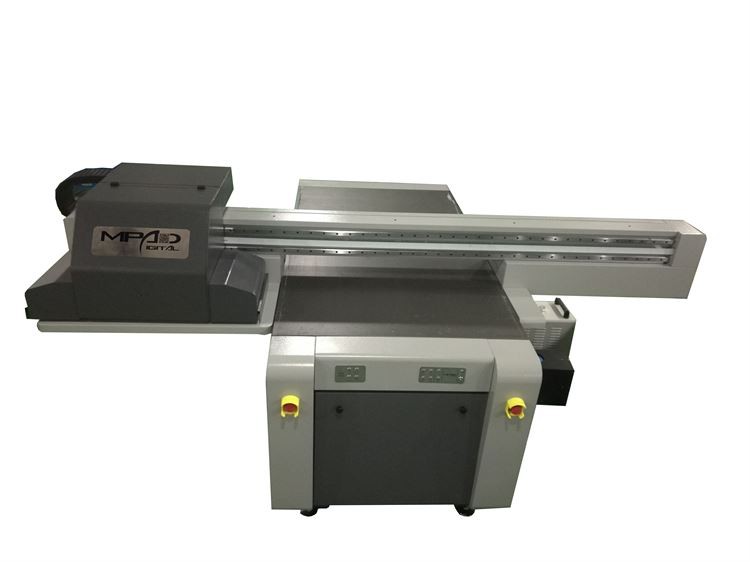
Before we discuss ceramic printing, let's briefly understand what a 2513 UV printer is. The "2513" in the name refers to the printer's maximum printing area, which is typically 2500mm in length and 1300mm in width. This large - format printer is a type of UV Printer Machine that utilizes UV - curing technology.
UV - curing printers work by applying a special type of ink that is cured (dried) almost instantly when exposed to ultraviolet light. This technology offers several advantages over traditional printing methods, such as faster production times, higher print quality, and the ability to print on a wide variety of materials.
Can a 2513 UV Printer Print on Ceramic?
The short answer is yes, a 2513 UV printer can print on ceramic. The UV - curing ink used in these printers adheres well to the smooth surface of ceramic materials. Once the ink is applied and cured under UV light, it forms a durable and long - lasting bond with the ceramic.
Advantages of Printing on Ceramic with a 2513 UV Printer
- High - Quality Prints: The 2513 UV printer can produce high - resolution prints with vivid colors and sharp details on ceramic surfaces. Whether you are printing intricate patterns, photos, or text, the printer can accurately reproduce the design.
- Durability: UV - cured ink is resistant to fading, scratching, and abrasion. This means that the prints on ceramic will maintain their quality and appearance for a long time, even when exposed to normal wear and tear.
- Customization: With a 2513 UV printer, you can easily customize ceramic products according to your customers' specific requirements. This is especially useful for creating personalized gifts, promotional items, or unique decorative pieces.
- Versatility: The large printing area of the 2513 printer allows you to print on various sizes of ceramic objects, from small tiles to large ceramic panels.
Limitations and Considerations
- Surface Preparation: The ceramic surface needs to be clean and free of dust, grease, and other contaminants before printing. Any impurities on the surface can affect the adhesion of the ink and result in poor print quality.
- Ink Compatibility: Not all UV inks are suitable for ceramic printing. You need to use inks that are specifically formulated for ceramic materials to ensure proper adhesion and durability.
- Baking Process: In some cases, a post - printing baking process may be required to further enhance the adhesion and durability of the ink on the ceramic. This process involves heating the printed ceramic object in an oven at a specific temperature for a certain period of time.
- Cost: Printing on ceramic with a 2513 UV printer can be more expensive than printing on other materials due to the cost of the specialized inks and the additional processing steps (if any).
Steps for Printing on Ceramic with a 2513 UV Printer
- Prepare the Ceramic Surface: Clean the ceramic object thoroughly using a mild detergent and water. Then, dry it completely to ensure a clean and dry surface for printing.
- Design the Print: Use graphic design software to create or import the design you want to print on the ceramic. Make sure the design is in the correct size and resolution for the printer.
- Calibrate the Printer: Set up the printer according to the thickness and type of the ceramic material. This may involve adjusting the print head height, ink density, and other parameters.
- Load the Ink: Fill the printer's ink cartridges with the appropriate UV ink for ceramic printing.
- Print the Design: Place the ceramic object on the printer's bed and start the printing process. The printer will apply the ink to the surface of the ceramic and cure it immediately using UV light.
- Inspect the Print: After printing, carefully inspect the print for any defects or imperfections. If necessary, make adjustments to the printer settings and re - print the design.
- Optional Baking Process: If required, place the printed ceramic object in an oven and bake it at the recommended temperature and time to enhance the ink's adhesion and durability.
Applications of Ceramic Printing with a 2513 UV Printer
- Home Decor: You can print beautiful patterns, images, or text on ceramic tiles, vases, and other decorative items to add a personal touch to your home.
- Commercial Signage: Ceramic signs printed with a 2513 UV printer are durable and can withstand outdoor conditions, making them suitable for commercial use.
- Art and Crafts: Artists and crafters can use the printer to create unique ceramic art pieces, such as sculptures and wall hangings.
- Promotional Items: Custom - printed ceramic mugs, coasters, and other promotional items are a great way to promote your brand or business.
Conclusion
In conclusion, a 2513 UV printer is a versatile and powerful tool that can be used to print on ceramic materials. While there are some limitations and considerations, the advantages of high - quality prints, durability, and customization make it a viable option for various applications.
If you are interested in exploring the possibilities of ceramic printing with a 2513 UV printer, or if you have any questions about our Wide Format Flatbed Printer or Flat Bed UV Pinter, please feel free to contact us. Our team of experts is ready to assist you in finding the best printing solution for your needs.
References
- "UV Printing Technology: A Comprehensive Guide", Smith, J., 2020
- "Ceramic Printing with UV Printers: Best Practices", Johnson, A., 2021
- "The Future of Large - Format Printing", Brown, R., 2022