

Can top uv printers print on food - grade materials?
As a supplier of top UV printers, I often get asked whether our printers can print on food - grade materials. This is a crucial question, especially considering the strict safety and quality standards associated with food - grade items. In this blog, I'll delve into the technical aspects, safety concerns, and potential applications of using top UV printers on food - grade materials.
Technical Capabilities of Top UV Printers
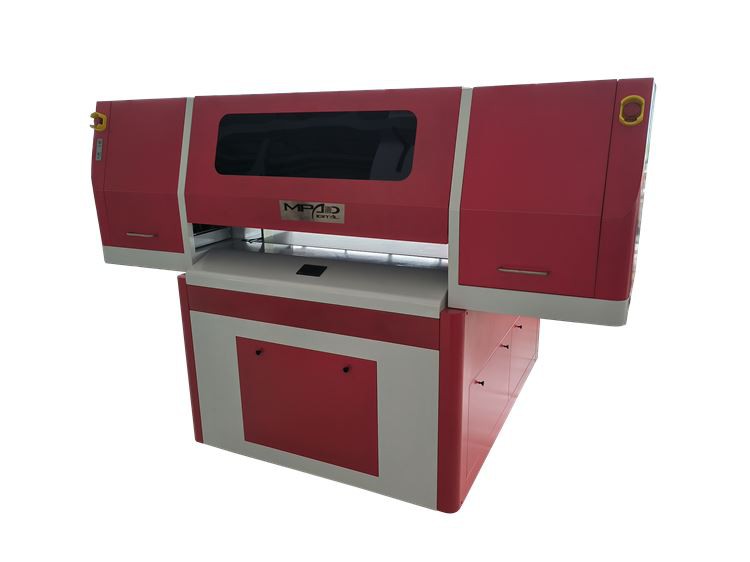
Top UV printers, such as our Printer UV Flatbed, Small Format Flatbed Printer, and Digital UV Flatbed Printing Machine, are known for their high - precision printing on a wide range of substrates. These printers use ultraviolet (UV) light to cure the ink instantly upon contact with the printing surface. This curing process allows for sharp, detailed, and durable prints on various materials, including plastics, glass, and metals.
The advanced technology in our UV printers enables them to handle different types of inks. However, when it comes to food - grade materials, the choice of ink is of utmost importance. Regular UV inks may contain chemicals that are not safe for contact with food. For printing on food - grade materials, we need to use special food - safe UV inks. These inks are formulated to meet strict safety standards and are free from harmful substances such as heavy metals, phthalates, and volatile organic compounds (VOCs).
Safety Concerns
Printing on food - grade materials requires compliance with numerous safety regulations. In many countries, there are specific laws governing the use of materials in contact with food. For example, the European Union has strict regulations under the EU Food Contact Materials Directive, which sets limits on the migration of substances from printed materials into food.
Our top UV printers can be used with food - safe inks that are tested and certified to meet these regulations. Before using our printers for food - grade applications, it's essential to ensure that the entire printing process, from ink selection to post - printing handling, adheres to the relevant safety standards. This includes proper ventilation during printing to prevent the inhalation of any potentially harmful fumes and thorough cleaning of the printing equipment to avoid cross - contamination.
Potential Applications
There are several potential applications for printing on food - grade materials using top UV printers. One common application is in the food packaging industry. Printing directly on food - grade plastic containers, glass jars, or paperboard boxes can add branding, product information, and attractive designs. This not only enhances the visual appeal of the product but also provides important information to consumers.
Another application is in the creation of edible decorations. With the right food - safe inks, our UV printers can print detailed images on edible materials such as icing sheets, wafers, or chocolate. This opens up new possibilities for the bakery and confectionery industries, allowing for the creation of personalized and visually stunning desserts.
Challenges and Limitations
Despite the potential, there are some challenges and limitations to printing on food - grade materials with UV printers. One challenge is the cost of food - safe UV inks. These inks are generally more expensive than regular UV inks due to the additional testing and certification required. This can increase the overall cost of the printing process, especially for large - scale production.
Another limitation is the limited range of printable materials. Some food - grade materials may have surface properties that make it difficult for the ink to adhere properly. For example, certain types of high - density plastics may require surface treatment before printing to ensure good ink adhesion.
Quality Assurance
To ensure the quality and safety of prints on food - grade materials, we implement a rigorous quality assurance process. Our food - safe inks are sourced from reputable suppliers and are regularly tested for compliance with safety standards. During the printing process, we monitor key parameters such as ink thickness, curing time, and print resolution to ensure consistent quality.
After printing, the finished products are subjected to additional testing. This may include migration testing to determine if any substances from the print are migrating into the food. Only products that pass these tests are approved for use in food - related applications.
Future Outlook
The demand for printing on food - grade materials is expected to grow in the coming years. As consumers become more conscious about food safety and product quality, there will be an increasing need for high - quality, safe printing solutions. Our company is committed to staying at the forefront of this trend by continuously researching and developing new food - safe inks and printing technologies.
We are also exploring ways to reduce the cost of printing on food - grade materials. This may involve partnerships with ink manufacturers to develop more cost - effective food - safe inks or the optimization of the printing process to improve efficiency.
Conclusion
In conclusion, our top UV printers can print on food - grade materials when used with the appropriate food - safe inks. The advanced technology in our printers, combined with strict safety measures and quality assurance processes, allows for high - quality and safe prints on a variety of food - grade substrates.
If you are interested in using our top UV printers for food - grade applications or have any questions about our products, please feel free to contact us for a detailed discussion. We are dedicated to providing you with the best printing solutions that meet your specific needs and comply with all relevant safety regulations.
References
- EU Food Contact Materials Directive
- Industry reports on food - safe printing technologies