

Hey there! I'm a supplier of UV printer machines, and I'm super stoked to spill the beans on how these amazing gadgets work. UV printer machines have revolutionized the printing industry, offering high - quality, durable prints on a wide range of materials. So, let's dive right in!
The Basics of UV Printing
First off, what's UV printing? Well, UV stands for ultraviolet. In simple terms, UV printing is a digital printing process that uses ultraviolet light to cure or dry the ink almost instantly as it's applied to the printing surface. This is a huge departure from traditional printing methods, which often rely on air - drying or heat - drying, and can take a while to set the ink properly.
Key Components of a UV Printer Machine
Let's talk about the main parts of a UV printer machine. These components work together in harmony to create those awesome prints you see.
Print Heads
The print heads are like the heart of the UV printer. They're responsible for spraying tiny droplets of ink onto the printing surface. Modern UV printer print heads are incredibly precise, capable of producing high - resolution prints with sharp details. There are different types of print heads, such as piezoelectric and thermal print heads. Piezoelectric print heads use electrical signals to control the release of ink droplets, while thermal print heads heat the ink to create a bubble that forces the ink out.
Ink System
The ink system stores and supplies the UV ink to the print heads. UV inks are specially formulated to react to ultraviolet light. They come in a variety of colors, including the primary CMYK (cyan, magenta, yellow, and black) colors, as well as white and specialty inks. The ink system ensures that the right amount of ink is delivered to the print heads at the right time.
UV Lamps
UV lamps are what make UV printing so unique. After the ink is applied to the surface, the UV lamps emit ultraviolet light, which causes the ink to cure or harden almost immediately. This instant curing process has several advantages. It prevents the ink from smudging or bleeding, and it also allows for printing on a wider range of materials, including those that might be damaged by heat. There are different types of UV lamps, such as mercury lamps and LED UV lamps. LED UV lamps are becoming more popular because they're energy - efficient, have a longer lifespan, and produce less heat.
Conveyor or Flatbed
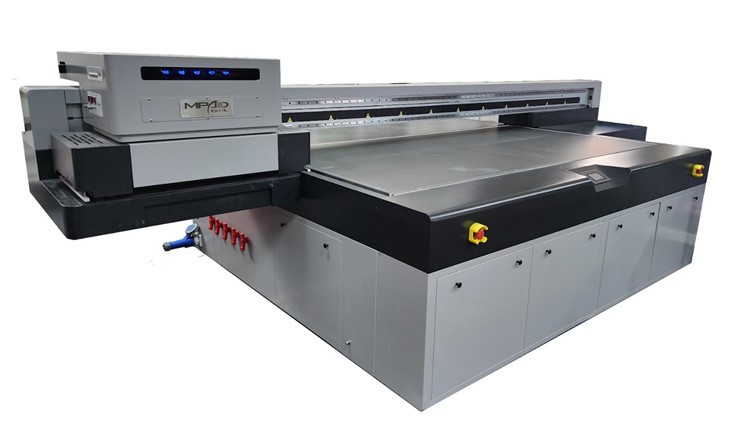
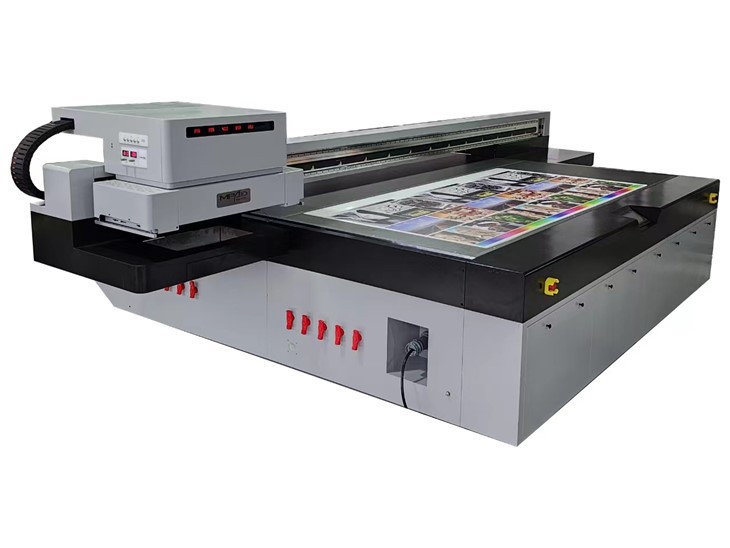
UV printers can have either a conveyor system or a flatbed. A conveyor - based UV printer is great for printing on long, continuous materials like rolls of paper or fabric. The material moves along the conveyor belt while the print heads and UV lamps do their thing. On the other hand, a UV Printing Flatbed is ideal for printing on flat, rigid materials such as wood, glass, metal, and plastic sheets. You can place the item directly on the flatbed, and the printer will print on it.
The Printing Process Step - by - Step
Now that we know the main components, let's walk through the UV printing process.
Step 1: Preparation
Before you start printing, you need to prepare the design and the printing surface. First, create or import your design into the printer's software. You can adjust the size, color, and other settings according to your needs. Then, clean the printing surface to ensure that there's no dust, dirt, or grease that could affect the print quality. If you're using a flatbed printer, place the item securely on the flatbed.
Step 2: Ink Application
Once everything is set up, the print heads start spraying the UV ink onto the printing surface. The printer's software controls the movement of the print heads and the amount of ink being applied. The print heads move back and forth across the surface, creating the image or text according to your design.
Step 3: UV Curing
As soon as the ink is applied, the UV lamps come into action. The ultraviolet light from the lamps causes a chemical reaction in the ink, which makes it cure or harden. This happens almost instantly, so you don't have to wait for the ink to dry. The curing process also makes the print more durable, resistant to scratches, and fade - resistant.
Step 4: Finishing
After the printing and curing process is complete, you can remove the printed item from the printer. Depending on the material and the application, you might need to do some additional finishing steps, such as trimming or laminating.
Advantages of UV Printing
UV printing offers a bunch of advantages over traditional printing methods.
Versatility
One of the biggest advantages is its versatility. You can print on a wide range of materials, including paper, cardboard, fabric, wood, glass, metal, and plastic. This makes UV printers suitable for a variety of industries, such as advertising, signage, packaging, and manufacturing.
High - Quality Prints
UV printers can produce high - resolution prints with vibrant colors and sharp details. The instant curing process ensures that the ink doesn't spread or bleed, resulting in crisp and clear images.
Durability
UV - cured prints are more durable than traditional prints. They're resistant to scratches, abrasion, and fading, which means they can last longer, even in harsh environments.
Environmentally Friendly
UV inks are generally considered more environmentally friendly than traditional inks. They don't contain volatile organic compounds (VOCs), which are harmful to the environment and human health. Additionally, LED UV lamps are energy - efficient, reducing the overall energy consumption of the printing process.
Applications of UV Printer Machines
UV printer machines have a wide range of applications.
Signage and Advertising
You can use UV printers to create eye - catching signs, banners, and posters. Whether it's a storefront sign or a large - scale billboard, UV printing can produce high - quality, long - lasting prints that will grab people's attention.
Packaging
UV printing is also popular in the packaging industry. You can print on boxes, labels, and containers, adding branding, product information, and decorative elements. The durability of UV - cured prints ensures that the packaging looks good throughout the product's lifecycle.
Decorative Items
You can use UV printers to create custom - printed decorative items, such as wall art, photo frames, and personalized gifts. The ability to print on different materials allows for endless creative possibilities.
Industrial Printing
In the industrial sector, UV printers are used for printing on parts, components, and equipment. For example, you can print serial numbers, barcodes, and logos on metal or plastic parts.
Our UV Printer Machine Range
At our company, we offer a wide range of UV Flatbed Printer Machine and Wide Format Flatbed Printer to meet different customer needs. Our printers are known for their high - quality performance, reliability, and ease of use. Whether you're a small business looking to add custom printing capabilities or a large - scale manufacturer in need of a high - volume printing solution, we've got you covered.
Conclusion
So, there you have it! That's how a UV printer machine works. It's a fascinating process that combines advanced technology with innovative ink and curing methods to produce amazing prints. If you're in the market for a UV printer machine, we'd love to talk to you. Whether you have questions about our products, need help choosing the right printer for your needs, or want to discuss a custom printing solution, don't hesitate to reach out. We're here to help you take your printing to the next level.
References
- "UV Printing Technology: Principles and Applications" by XYZ Publishing
- "The Complete Guide to Digital Printing" by ABC Press