

The heat output of a UV inkjet printer during operation is a crucial aspect that affects both the printer's performance and the quality of the printed products. As a leading UV Inkjet Printer supplier, we understand the importance of this factor and strive to provide our customers with in - depth knowledge about it.
Understanding the Basics of UV Inkjet Printing
Before delving into the heat output, it's essential to understand how UV inkjet printers work. UV inkjet printers use ultraviolet (UV) light to cure or dry the ink immediately after it is deposited on the printing substrate. The process involves ejecting tiny droplets of UV - curable ink onto the surface, and then exposing these droplets to UV light. This rapid curing process allows for high - speed printing and produces vibrant, durable prints.
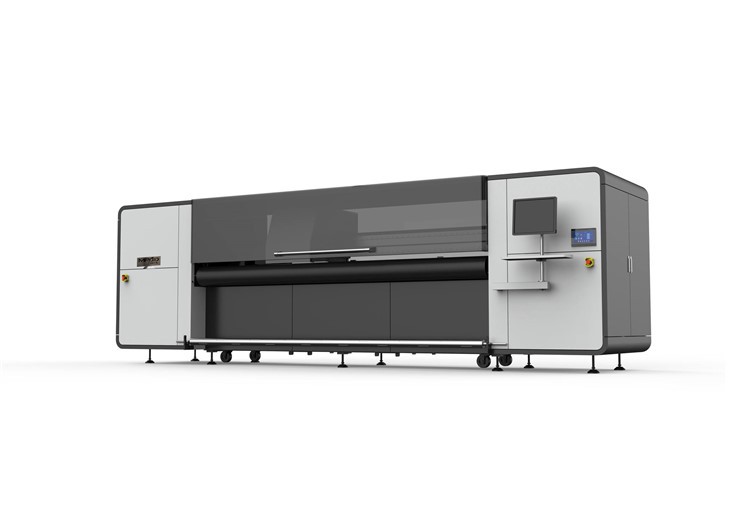
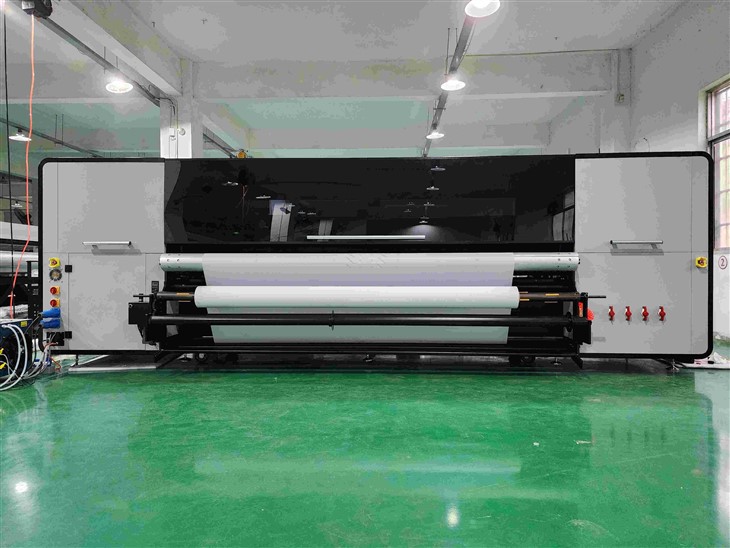
There are different types of UV inkjet printers in our product range, such as the UV Hybrid Printer Flatbed, Hybrid UV Printing, and UV Flatbed Roll To Roll Printer. Each type has its own unique features and applications, but they all share the common principle of UV - curing technology.
Sources of Heat in UV Inkjet Printers
UV Lamps
One of the primary sources of heat in a UV inkjet printer is the UV lamps. These lamps are responsible for emitting the UV light required to cure the ink. Depending on the printer model and the intensity of the curing process, UV lamps can generate a significant amount of heat. For example, high - power UV lamps used in industrial - grade printers may operate at temperatures ranging from 50°C to 100°C or even higher. The heat is a by - product of the electrical energy conversion into UV light.
Print Heads
Print heads also contribute to the heat output of the printer. When the print heads are in operation, they constantly eject ink droplets. The electrical signals sent to the print heads to control the ink ejection process generate heat. Additionally, the friction between the ink and the internal components of the print heads can also produce heat. Although the heat generated by print heads is relatively less compared to UV lamps, it can still affect the performance of the printer if not properly managed.
Electronic Components
Modern UV inkjet printers are equipped with a variety of electronic components, such as circuit boards, power supplies, and controllers. These components generate heat during normal operation as they consume electrical energy. The heat generated by electronic components can accumulate over time and potentially cause damage to the printer if the temperature rises too high.
Effects of Heat Output on Printer Performance
Ink Viscosity
Heat can have a significant impact on the viscosity of the UV - curable ink. As the temperature increases, the viscosity of the ink decreases. This can lead to issues such as ink bleeding, over - spreading, and poor print quality. On the other hand, if the temperature is too low, the ink may become too viscous, resulting in clogged print heads and inconsistent ink ejection. Maintaining an optimal temperature range is crucial for ensuring the proper flow and performance of the ink.
Print Head Longevity
Excessive heat can reduce the lifespan of the print heads. High temperatures can cause the internal components of the print heads to expand and contract, leading to mechanical stress and potential damage. Additionally, heat can accelerate the degradation of the materials used in the print heads, such as the nozzles and the piezoelectric elements. By managing the heat output, we can help extend the life of the print heads and reduce the frequency of print head replacements.
Substrate Compatibility
The heat output of the printer can also affect the compatibility of the printing substrate. Some substrates, such as thin plastics and heat - sensitive materials, may warp or deform when exposed to high temperatures. This can result in misaligned prints and wasted materials. It's important to select the appropriate substrate based on the heat output of the printer and the specific printing requirements.
Managing Heat Output in UV Inkjet Printers
Cooling Systems
To manage the heat output, UV inkjet printers are often equipped with cooling systems. These systems can include fans, heat sinks, and liquid - cooling mechanisms. Fans are the most common cooling method, as they are relatively simple and cost - effective. They work by blowing air over the hot components of the printer, dissipating the heat into the surrounding environment. Heat sinks are passive cooling devices that absorb and transfer heat away from the components. Liquid - cooling systems, on the other hand, are more efficient but also more complex and expensive. They use a liquid coolant to absorb the heat and then transfer it to a radiator for dissipation.
Temperature Sensors and Controllers
Many modern UV inkjet printers are equipped with temperature sensors and controllers. These sensors continuously monitor the temperature of the printer's components and send signals to the controllers. The controllers can then adjust the cooling systems or the power output of the UV lamps to maintain an optimal temperature range. This real - time temperature control helps ensure the stability and reliability of the printer.
Printing Environment
The printing environment also plays a role in managing the heat output. It's important to place the printer in a well - ventilated area with sufficient air circulation. Avoid placing the printer near other heat - generating devices or in direct sunlight. By controlling the ambient temperature and humidity, we can help reduce the overall heat load on the printer and improve its performance.
Conclusion
In conclusion, the heat output of a UV inkjet printer during operation is a complex issue that involves multiple sources and has significant effects on the printer's performance and print quality. As a UV Inkjet Printer supplier, we are committed to providing our customers with high - quality printers that are designed to manage heat effectively. Our UV Hybrid Printer Flatbed, Hybrid UV Printing, and UV Flatbed Roll To Roll Printer models are all equipped with advanced cooling systems and temperature control mechanisms to ensure optimal performance.
If you are interested in learning more about our UV inkjet printers or have any questions regarding heat management, we encourage you to contact us for a detailed consultation. Our team of experts is ready to assist you in selecting the right printer for your specific needs and providing you with the best solutions for your printing requirements.
References
- Smith, J. (2018). "UV Inkjet Printing Technology: Principles and Applications". Publisher XYZ.
- Johnson, A. (2020). "Heat Management in Industrial Printers". Journal of Printing Science, Vol. 15, Issue 2.
- Lee, B. (2019). "The Impact of Temperature on UV - Curable Ink Performance". International Journal of Printing Technology, Vol. 22, Issue 3.