

The UV curing process in a UV Roll Printer is a fascinating and crucial aspect of modern printing technology. As a supplier of UV Roll Printers, I've witnessed firsthand the transformative power of this process in delivering high - quality, durable prints. In this blog, I'll delve into the details of how the UV curing process works in a UV Roll Printer.
Understanding the Basics of UV Curing
UV curing is a photochemical process that uses ultraviolet (UV) light to instantly dry or cure inks, coatings, or adhesives. In the context of a UV Roll Printer, this process is used to solidify the ink applied to the roll media, such as banners, vinyl, or fabric. The key advantage of UV curing is its speed and efficiency. Unlike traditional drying methods that rely on evaporation or oxidation, UV curing can turn liquid ink into a solid film in a matter of seconds.
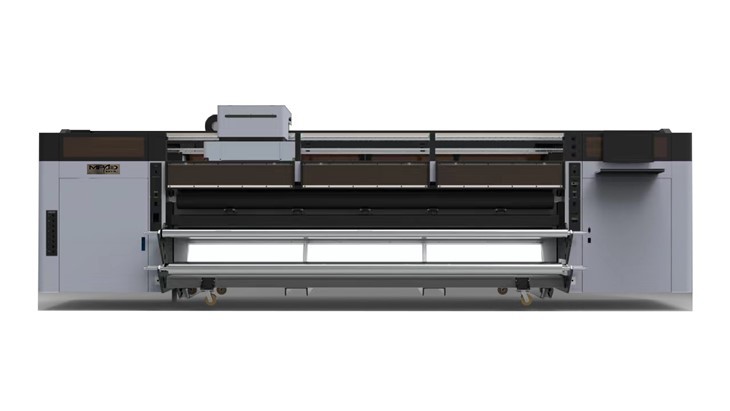
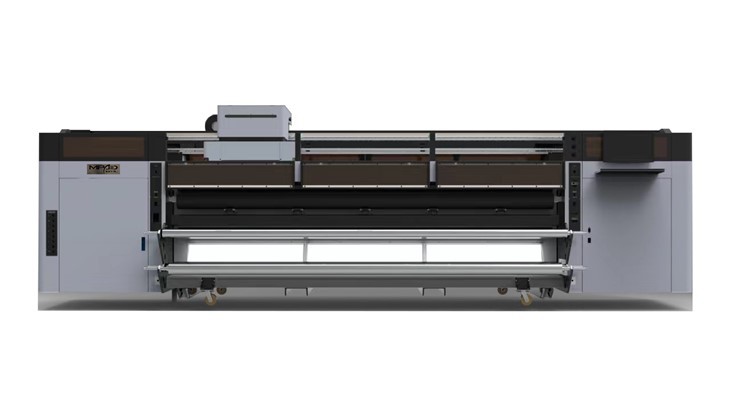
Components of a UV Roll Printer Involved in UV Curing
- UV Ink:
The ink used in a UV Roll Printer is specially formulated to react to UV light. These inks contain photoinitiators, which are molecules that absorb UV light and initiate a chemical reaction. When exposed to UV light, the photoinitiators break down into free radicals. These free radicals then react with the monomers and oligomers in the ink, causing them to link together and form a solid polymer network. This rapid polymerization is what allows the ink to dry almost instantly. - UV Lamps:
UV lamps are the heart of the UV curing system in a UV Roll Printer. There are different types of UV lamps, including mercury vapor lamps and LED UV lamps. Mercury vapor lamps have been used in the industry for a long time. They emit a broad spectrum of UV light, including UVA, UVB, and UVC. However, they consume a relatively large amount of energy and generate a significant amount of heat.
On the other hand, LED UV lamps are becoming increasingly popular. They are more energy - efficient, have a longer lifespan, and generate less heat. LED UV lamps emit a narrow spectrum of UV light, typically in the UVA range, which is sufficient for curing most UV inks. The intensity and wavelength of the UV light emitted by the lamps can be carefully controlled to ensure optimal curing of the ink. - Printing Head and Media Transport System:
The printing head of a UV Roll Printer is responsible for depositing the UV ink onto the roll media. The media transport system moves the roll media through the printer at a controlled speed. The distance between the printing head and the UV lamps is also carefully calibrated. This ensures that the ink has the right amount of time to spread on the media surface before it is exposed to the UV light for curing.
The Step - by - Step UV Curing Process in a UV Roll Printer
- Ink Deposition:
The process starts with the printing head ejecting tiny droplets of UV ink onto the roll media. The printing head uses piezoelectric or thermal technology to precisely control the size and placement of the ink droplets. This allows for high - resolution printing with sharp details and vibrant colors. - UV Exposure:
Once the ink is deposited on the media, it moves under the UV lamps. The UV light emitted by the lamps penetrates the ink layer. The photoinitiators in the ink absorb the UV light and start the chemical reaction. As mentioned earlier, this reaction causes the monomers and oligomers in the ink to polymerize, transforming the liquid ink into a solid film. - Curing Completion:
The curing process is completed within a fraction of a second. The solidified ink adheres strongly to the media surface, resulting in a durable and scratch - resistant print. The cured print can be immediately rolled up or further processed, such as cutting or laminating, without the risk of smudging or smearing.
Advantages of the UV Curing Process in UV Roll Printers
- Fast Production Speed:
The ability to cure the ink instantly allows for high - speed printing. This is especially beneficial for large - scale printing projects, such as Printer UV Roll To Roll jobs or Banner Printer applications. With UV curing, printers can produce more prints in less time, increasing productivity and reducing turnaround times. - High - Quality Prints:
UV - cured prints have excellent color saturation, sharpness, and clarity. The strong adhesion of the cured ink to the media ensures that the colors remain vibrant and do not fade over time. This makes UV Roll Printers ideal for producing high - end prints, such as marketing banners, vehicle wraps, and indoor signage. - Versatility:
UV Roll Printers can print on a wide variety of media, including vinyl, fabric, paper, and even some types of plastics. The UV curing process works well with different types of media, allowing printers to offer a diverse range of printing services. Whether it's a UV Roll To Roll Printer for continuous roll - to - roll printing or a printer for custom - sized banners, the UV curing technology provides flexibility. - Environmental Friendliness:
Compared to traditional solvent - based inks, UV inks are more environmentally friendly. They do not contain volatile organic compounds (VOCs), which are harmful to the environment and human health. The energy - efficient LED UV lamps also contribute to reducing the overall carbon footprint of the printing process.
Challenges and Considerations
- Cost:
The initial investment in a UV Roll Printer and the associated UV curing system can be relatively high. UV inks are also more expensive than traditional inks. However, the long - term benefits, such as increased productivity and high - quality prints, often outweigh the initial costs. - Media Compatibility:
While UV Roll Printers can print on a wide range of media, not all media are suitable for UV curing. Some media may be sensitive to the heat generated by the UV lamps or may not adhere well to the cured ink. It's important to test different media types before starting a large - scale printing project. - Maintenance:
UV lamps need to be properly maintained to ensure consistent curing performance. Over time, the intensity of the UV light emitted by the lamps may decrease, which can affect the curing quality. Regular cleaning and replacement of the lamps are necessary to keep the printer running smoothly.
Conclusion
The UV curing process in a UV Roll Printer is a remarkable technology that offers numerous advantages in terms of speed, quality, versatility, and environmental friendliness. As a supplier of UV Roll Printers, I'm excited to see how this technology continues to evolve and improve. If you're in the market for a high - performance printing solution, a UV Roll Printer with UV curing capabilities could be the perfect choice for your business. Whether you're looking to produce stunning banners, eye - catching vehicle wraps, or other types of prints, our printers can meet your needs.
If you're interested in learning more about our UV Roll Printers or would like to discuss a potential purchase, please don't hesitate to reach out. Our team of experts is ready to assist you in finding the right printer for your specific requirements.
References
- "UV Curing Technology: Principles and Applications" by C. Decker.
- "Handbook of UV - LED Curing" edited by M. Koleske.
- Industry reports on UV printing technology from leading market research firms.