

As a supplier of flatbed printers, one question that frequently comes up from our clients is, "Can a flatbed printer print on fiberglass?" This is a crucial query, especially considering the wide - ranging applications of fiberglass in various industries. In this blog post, we'll explore the technical aspects, challenges, and possibilities of using a flatbed printer on fiberglass materials.
Understanding Flatbed Printers
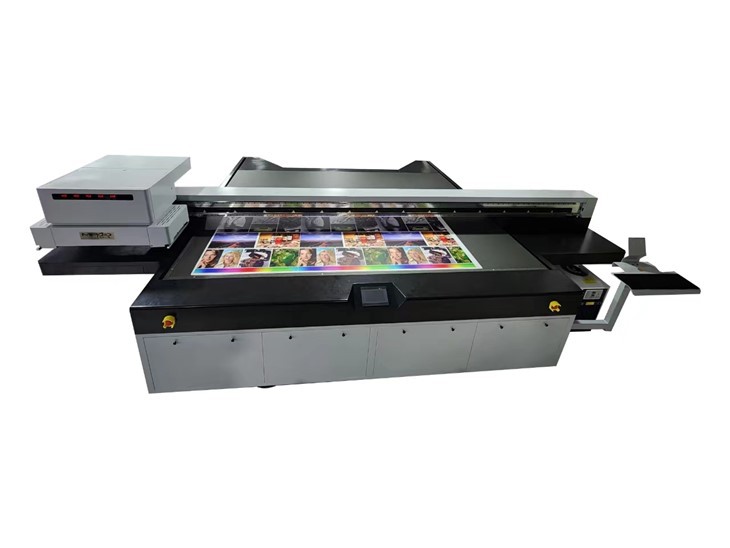
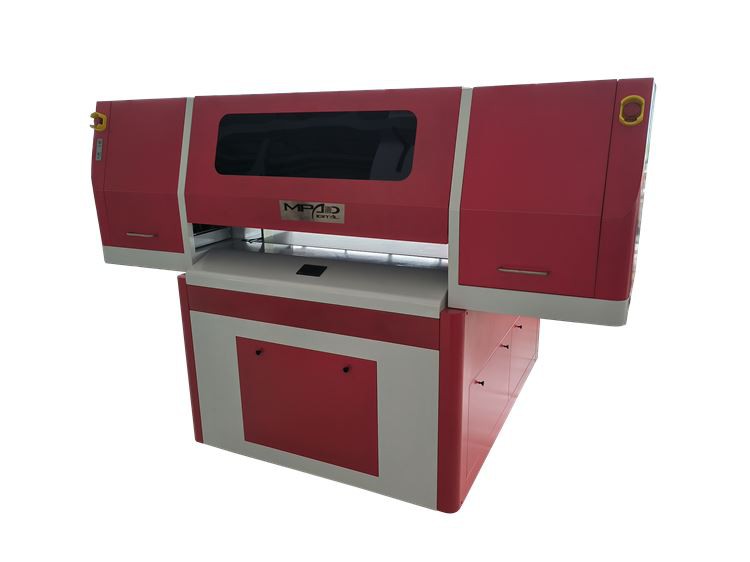
Before delving into the compatibility with fiberglass, it's essential to understand what a flatbed printer is. A flatbed printer is a type of digital printer that can print directly onto a wide variety of flat or near - flat surfaces. Unlike traditional printers that rely on paper, flatbed printers can handle materials such as wood, metal, plastic, glass, and many others.
One of our popular products is the Wide Format Flatbed Printer. This printer offers high - resolution printing on large - scale flat surfaces, making it suitable for both small - scale custom projects and large - volume industrial production. Its versatility is one of its key selling points, but the question remains: how does it perform when it comes to fiberglass?
Fiberglass: Properties and Challenges
Fiberglass is a composite material made of fine fibers of glass. It is known for its high strength, lightweight nature, corrosion resistance, and electrical insulation properties. These characteristics make it a popular choice in industries such as automotive, aerospace, marine, and construction.
However, fiberglass also presents some challenges when it comes to printing. The surface of fiberglass can be smooth and non - porous, which makes it difficult for inks to adhere properly. Additionally, fiberglass may have a chemical composition that can react with certain types of inks, leading to issues such as discoloration or poor print quality.
Compatibility of Flatbed Printers with Fiberglass
The answer to whether a flatbed printer can print on fiberglass is yes, but with some caveats. The success of printing on fiberglass depends on several factors, including the type of flatbed printer, the ink used, and the pre - treatment of the fiberglass surface.
Type of Flatbed Printer
There are different types of flatbed printers, such as UV flatbed printers and solvent - based flatbed printers. UV flatbed printers are generally more suitable for printing on fiberglass. UV inks are cured instantly by ultraviolet light, which helps them adhere better to non - porous surfaces like fiberglass. Solvent - based inks, on the other hand, rely on evaporation for drying, and they may not adhere as well to the smooth surface of fiberglass.
Ink Selection
The choice of ink is crucial for achieving good print results on fiberglass. UV inks are a popular choice because they offer excellent adhesion, durability, and colorfastness. They can also be formulated to resist the chemical properties of fiberglass. Some UV inks are specifically designed for printing on composite materials like fiberglass, ensuring better compatibility and print quality.
For example, our UV Printer Golf Balls use advanced UV inks that can be adapted for printing on fiberglass. These inks are engineered to provide sharp, vibrant prints that can withstand the rigors of various environments.
Surface Pre - treatment
Pre - treating the fiberglass surface is an important step in ensuring good print adhesion. This can involve cleaning the surface to remove any dirt, grease, or contaminants. Additionally, a primer or adhesion promoter can be applied to the fiberglass surface to improve ink adhesion. The primer creates a more porous surface for the ink to bond to, increasing the chances of a successful print.
Steps for Printing on Fiberglass with a Flatbed Printer
- Surface Preparation: Clean the fiberglass surface thoroughly using a mild detergent and water. Rinse it well and let it dry completely. Apply an appropriate primer or adhesion promoter according to the manufacturer's instructions.
- Printer Setup: Select the correct printer settings for the fiberglass material. This includes adjusting the print resolution, ink density, and curing settings if using a UV printer.
- Test Print: Before printing a large - scale job, it's advisable to do a test print on a small piece of fiberglass. This allows you to check the print quality, ink adhesion, and color accuracy. Make any necessary adjustments to the printer settings based on the test print results.
- Printing: Once you're satisfied with the test print, you can proceed with the full - scale printing. Ensure that the fiberglass is properly positioned on the printer bed and that the printer is operating correctly.
Applications of Printing on Fiberglass
Printing on fiberglass opens up a wide range of applications. In the automotive industry, it can be used to print logos, graphics, or warning labels on fiberglass body parts. In the marine industry, printed fiberglass can be used for boat interiors, signage, and decorative elements. In the construction industry, it can be used for architectural panels and decorative features.
For instance, in the sports equipment industry, UV Printer Golf Balls technology can be adapted to print custom designs on fiberglass - based sports equipment, adding a personalized touch to the products.
Advantages of Using a Flatbed Printer for Fiberglass Printing
- Customization: Flatbed printers allow for highly customized printing on fiberglass. You can print unique designs, logos, and patterns, which is ideal for creating one - of - a - kind products.
- High - Quality Prints: With the right printer and ink combination, flatbed printers can produce high - resolution, vibrant prints on fiberglass. The prints are durable and can withstand wear and tear.
- Efficiency: Flatbed printers offer fast printing speeds, making them suitable for both small - batch and large - volume production. This can help reduce production time and costs.
Conclusion
In conclusion, a flatbed printer can indeed print on fiberglass, but it requires careful consideration of the printer type, ink selection, and surface pre - treatment. With the right approach, you can achieve excellent print results on fiberglass, opening up new opportunities for customization and branding in various industries.
If you're interested in exploring the possibilities of printing on fiberglass with our flatbed printers, we encourage you to get in touch with us. Our team of experts can provide you with more information, offer technical support, and help you find the best solution for your specific needs. Whether you're a small business looking to add a unique touch to your products or a large - scale manufacturer in need of high - volume printing, we're here to assist you.
References
- "Handbook of Fiberglass and Advanced Composite Materials" by Peter F. Bruins
- "Digital Printing Technology: Principles and Applications" by John C. Wyble
- Manufacturer's guides for flatbed printers and UV inks