


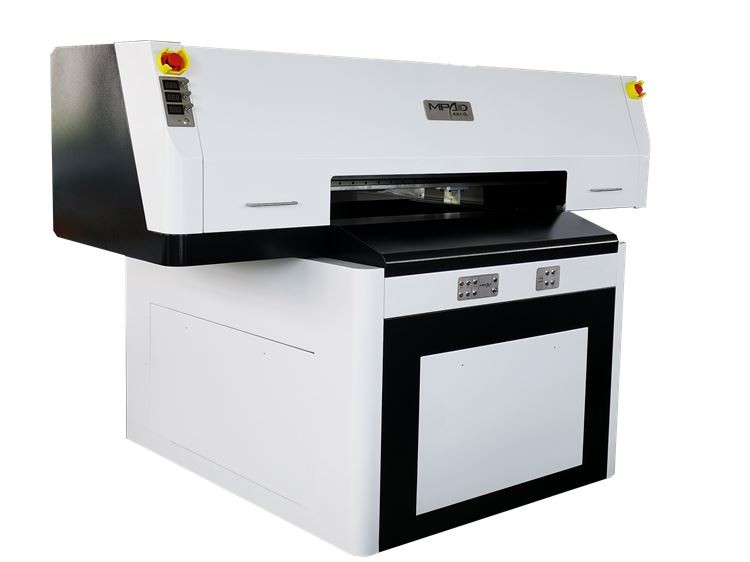
MPA Digital Technology : Your Trustworthy Digital UV Flatbed Printer Supplier!
MPA Digital Technology Co., Ltd. (hereinafter referred to as MPAD) was established in 2012 and is composed of experts dedicated to the research and development of digital large-format printers. MPAD has an independent R&D team with rich experience and knowledge in large-format printer design, especially complete control systems for UV flatbed printers and UV roll-to-roll printers, allowing us to provide customers with stable and exciting products and continuous technological innovation.
Rich Products
We can produce UV printers, UV flatbed printers, UV roll printers, hybrid UV printers, single-channel inkjet printers, digital UV flatbed printers, high-speed UV printers, UV printer flatbed printers, and more.
Products Widely Used
The products we produce can be widely used in signage and graphics, interior decoration, textiles and apparel, outdoor advertising, labels and packaging, promotional products, fine art reproductions, architectural graphics and more.
Many Partners
We have customers and partners in many countries, including the United States, United Kingdom, Spain, Greece, Poland, Russia, India, Turkey, Kazakhstan, Singapore, Israel, United Arab Emirates, Algeria, etc.
Customizable
Our team has 10 years of professional R&D and production experience in the field of digital large-format printer product R&D and is able to meet the needs of different markets and customers.

UV Printer Golf Balls refers to a printing technology that uses a UV printer to print designs or logos onto golf balls. The process involves using UV light to cure an ink, resulting in a durable, long-lasting print that resists fading, scratching, and chipping. This technology allows for high-quality prints on individual golf balls, making them ideal for personalization or branding purposes for golf tournaments, events, or gifts.

A high speed UV printer (UV LED printer) is a type of digital printer that uses ultraviolet (UV) light to cure or harden specially formulated ink on various materials such as paper, plastic, glass, metal, and fabric. This curing process enables the printer to produce extremely high-quality prints that are resistant to smudging, scratching, and fading. Additionally, high speed UV printers can print much faster than their traditional counterparts, making them ideal for high-volume commercial applications like signage, packaging, and marketing materials. They also do not emit volatile organic compounds (VOCs) and are considered to be environmentally friendly.

A UV printer flatbed is a type of printer that is capable of printing on a wide range of materials, such as plastic, glass, metal, and wood. It uses UV-curable ink that is cured by ultraviolet (UV) light, hence the name "UV printer". The printer has a flatbed surface onto which the materials are placed, and the ink is jetted onto the surface by the printer's print heads. UV printer flatbeds are often used for printing signs, banners, posters, and other large format graphics.
A digital flatbed printer is a printing machine that uses a flat surface to print digital images onto a variety of materials, such as paper, metal, plastic, fabric, and wood. The image is created on a computer and transferred to the printer, which prints the image onto the material using inkjet or other digital printing technologies. The printer can print any combination of colors, allowing for full-color photographic prints and graphics. Digital flatbed printers are commonly used for printing signs, banners, promotional materials, and custom products.
A flatbed printer is a type of printer that can print on a range of flat materials, including paper, wood, plastic, metal, glass, and more. The flatbed printer works by laying the material on a flat surface, and then the printer head moves across the surface, printing onto the material. Flatbed printers are commonly used in the printing industry for producing signs, posters, banners, and other large format graphics. They offer high-quality printing and can print large quantities of material quickly and efficiently.

A UV digital printer is a printing device that uses ultraviolet light to dry the ink as it is being printed onto various materials. It is a type of inkjet printer that can print high-quality images and text on a wide range of surfaces, including paper, plastic, metal, glass, and even wood. The printer works by applying ink in tiny droplets onto the surface of the material, which are then cured by the UV light, resulting in a durable and long-lasting print. UV digital printers are commonly used in various industries such as advertising, packaging, and textiles.
A printer UV flatbed is a type of digital printing machine that uses UV (ultraviolet) light to cure or dry ink directly onto various types of flat materials. It can print on a range of surfaces, including glass, metal, plastic, wood, and more, making it versatile for different applications such as signage, promotional displays, and product packaging. The use of UV ink and curing allows for high-quality, durable prints that are resistant to fading, scratching, and water damage. The flatbed design allows for printing on thicker and larger sheets of material, eliminating the need for traditional printing processes like screen printing or offset printing.

A UV printer is a type of digital inkjet printer that uses ultraviolet light to cure ink as it is printed onto various materials such as paper, plastics, leather, wood, glass, and metal. This curing process allows the ink to adhere to the surface of the material, creating vibrant colors and high-quality, detailed images. UV printers are commonly used in industries such as signage, packaging, and promotional products. They offer high speed, high-quality printing, and the ability to print on a wide range of materials, making them a versatile and efficient choice for printing businesses.

A UV roll-to-roll printer is a type of large-format digital printer that uses ultraviolet (UV) light to dry the ink as it is printed onto a roll of material, typically vinyl or fabric, that is fed through the printer. This technology allows for high-quality, long-lasting prints on a variety of materials with vibrant and durable colors. Roll-to-roll printers are often used for large-scale advertising, signage, and branding projects where high-quality, large-format graphics are required.
A digital UV flatbed printer is a type of printer that uses UV-curable inks to print onto various materials, including PVC, metal, acrylic, glass, and more. The printer uses a flatbed platform to hold the substrate in place, and the UV-curable inks are cured instantly upon exposure to UV light. This results in high-quality, durable prints that are waterproof, fade-resistant, and scratch-resistant. UV flatbed printers are commonly used for printing signage, displays, packaging, and promotional materials.
Features of Digital UV Flatbed Printer
Versatility and Material Compatibility
Digital UV Flatbed Printer can handle a wide range of materials, including metals, plastics, woods, fabrics, paper, and board. This versatility allows for diverse applications, catering to different industries and design needs.
Exceptional Print Quality
UV-curable inks used in Flatbed UV Printing deliver amazing colour accuracy, sharpness, and detail reproduction. If you need to print fine lines, small text, and intricate designs and have them perfectly rendered. UV-cured inks ensure visually stunning prints that capture attention.
Durability and Longevity
UV-curable inks provide excellent resistance to fading, scratching, and weathering. This durability makes Digital UV Flatbed Printer suitable for both indoor and outdoor applications, ensuring quality and impact over time.
Efficiency and Productivity
Digital UV Flatbed Printer eliminates the need for additional drying time, as the UV inks cure instantly on exposure to UV light. This efficiency translates to faster turnaround times, increased productivity, and the ability to meet tight deadlines.
LED UV Flatbed Printer
This type of digital UV flatbed printer uses high-efficiency and energy-saving LED (light-emitting diode) lamps as the light source. Compared with traditional UV lamps, it consumes less power and generates less heat. They also have a longer lifespan and can produce higher quality, wider color gamut prints.
Hybrid UV Flatbed Printer
Hybrid UV flatbed printers combine the versatility of a roll-to-roll printer with the precision and efficiency of a flatbed printer. It can print on a variety of substrates, including rigid materials like wood, metal, and glass, as well as flexible materials like vinyl and canvas.
Textile UV Flatbed Printer
This type of digital UV flatbed printer is specially designed for printing on textiles and fabrics. It uses special UV-curable inks that are formulated to bond with fabric fibers, resulting in durable and vibrant prints that are resistant to fading and cracking.
Ultra Wide Format UV Flatbed Printer
Ultra-wide UV flatbed printers are designed for large-format printing on rigid materials, such as billboards, trade show displays, and outdoor signage. It can print on substrates up to 10 feet wide and several inches thick, creating eye-catching graphics that are hard to miss.
Industrial UV Flatbed Printer
Industrial UV flatbed printers are designed for high-volume production of industrial parts and products, such as automotive parts, electronic product casings, and medical equipment. It uses advanced UV-curable inks and printing processes to produce durable and precise prints that meet the stringent requirements of industrial applications.
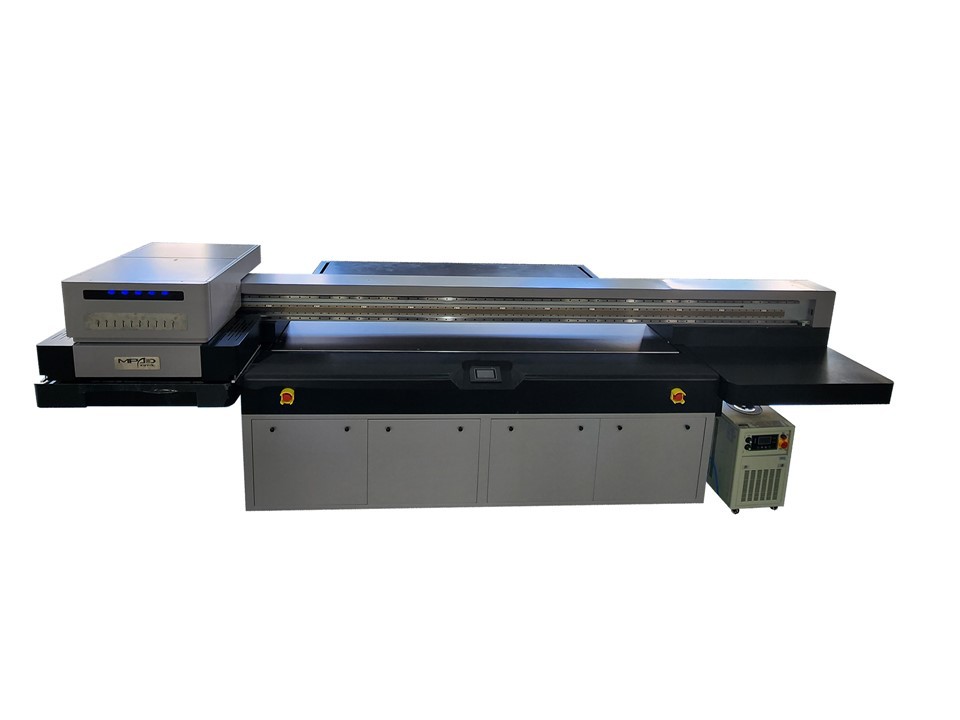
Benefits of Using Digital UV Flatbed Printer
High-Quality Printing
Digital UV flatbed printers use advanced printing technology to deliver high-quality prints with vibrant colors and fine details. The UV curing system ensures that the ink is instantly cured, resulting in smudge-free prints that are scratch-resistant and long-lasting.
User-Friendly
Digital UV flatbed printers are easy to use and require minimal training. Most models have intuitive graphical interfaces, making it easy to set up jobs and adjust print settings.
Surface Preparation
Each of the Metal, plastic, wood, fabric, paper, or board substrates has specific preparations before printing. The process involves cleaning the surface, applying primers, or aligning it correctly and securing it on the flatbed printer.
Ink Application
UV-curable inks, specially formulated for adhesion and durability, are applied directly to the substrate using advanced inkjet printheads. These inks are cured instantly using UV light, eliminating the need for drying time and ensuring vibrant colours and sharp details.
UV Curing
After the ink is applied, UV lamps emit intense UV light onto the printed surface, causing the ink to cure and adhere permanently to the substrate. This instant curing process eliminates smudging or smearing, resulting in a finished print that is ready for immediate use or further processing.
Printing Platform
This is the platform where the substrate is placed for printing. It is usually made from a flat surface such as glass or aluminum and has a uniform suction system that keeps the material in place during the printing process.
UV Curing System
The UV curing system is responsible for curing or solidifying the UV ink after depositing it onto the substrate. They typically consist of a UV LED lamp or mercury vapor bulb that emits high-intensity UV light to cure the ink.
Digital Control Panel
This is the interface used to set up and control the printing process. It includes features such as print head cleaning, ink level monitoring and emergency stop control.
Ink Supply System
This system delivers ink from the reservoir to the printhead. It usually consists of an ink cartridge, tubing, and a pump system to manage the flow of ink.
Print Head
The printhead is the component that deposits ink onto the substrate. It typically uses piezoelectric or thermal printhead technology to create high-resolution ink droplets.
Encoders and linear guides
Encoders and linear guides are responsible for the precise positioning of the material during the printing process. They ensure that the substrate moves in a straight line at a consistent speed, allowing the printer to deliver precise print results.
Print Alignment Sensor
These sensors help align the substrate with the printhead and ensure accurate and consistent printing. They typically use optical or mechanical sensors to detect the edges of the substrate and adjust the printhead accordingly.
Vacuum System
The vacuum system ensures that the substrate stays tightly against the print bed during printing, preventing the material from warping or deforming. It usually uses a series of suction channels to create a powerful vacuum force.
How to Choose Digital UV Flatbed Printer
Print Bed Size
One of the most important factors in choosing a digital UV flatbed printer is the size of the print bed. Consider the size of the material you want to print on and choose a printer with a bed size that suits your needs.
Printing Speed
The printing speed of UV flatbed printers is also an important consideration. If you need to produce large quantities of printed materials in a short period of time, look for a printer with fast printing speeds.
UV Lamp Type
The type of UV lamp used in a flatbed printer affects print quality and the life of the printed material. Traditionally, UV printers have used mercury vapor lamps, but new LED lamps last longer, generate less heat and help protect sensitive materials.
Print Resolution
The printing resolution of a UV flatbed printer determines the detail and clarity of the print. If you need to produce high-quality prints, look for a high-resolution printer.
Ink Type
Choose a UV flatbed printer that uses the right ink type for your materials and intended use. For example, if you need to print on plastic or metal, you may need a printer that uses specialized UV-resistant inks.
Ease of Use
Consider the printer's ease of use and maintainability. Look for one that has intuitive software and is easy to clean and maintain.
How to Maintain Digital UV Flatbed Printer
Clean the Print Head and Wiper Regularly
The print head of a digital UV flatbed printer must be cleaned frequently to prevent clogging. The wiper blades used in such printers also need to be cleaned regularly to ensure proper ink flow. This will maintain print quality and prevent ink loss and printer damage.
Use the Correct Ink and Maintenance Fluid
You must use the correct ink designed for your specific printer model. Using the wrong ink can damage the print head and affect print quality. Additionally, regular use of maintenance fluid designed for these printers can help prevent clogs and maintain consistent print quality.
Cover the Printer When Not in Use
Covering the printer when not in use helps prevent dust, dirt, and debris from accumulating on the print bed or other parts of the printer. It can also help protect the printer from excessive moisture, which can otherwise damage delicate components.
Calibrate Your Printer Regularly
Proper calibration ensures high print quality and crisp details. It is important to calibrate your printer regularly to maintain consistent printing. Calibration performs specific parameters, adjusting the printer to always operate at optimal functionality.
Certificate

Frequently Asked Questions
Q: What is a digital UV flatbed printer?
Q: How does a digital UV flatbed printer work?
Q: What type of materials can be printed using a digital UV flatbed printer?
Q: What are the advantages of using a digital UV flatbed printer?
Q: What are the disadvantages of using a digital UV flatbed printer?
Q: What is the maximum size of material that can be printed using a digital UV flatbed printer?
Q: What is the resolution of a digital UV flatbed printer?
Q: Can a digital UV flatbed printer print in full color?
Q: What type of ink is used in a digital UV flatbed printer?
Q: What is the drying time for UV ink on a digital UV flatbed printer?
Q: What is the maintenance required for a digital UV flatbed printer?
Q: What is the lifespan of a digital UV flatbed printer?
Q: Can a digital UV flatbed printer be used for outdoor advertising?
Q: What is the cost of a digital UV flatbed printer?
Q: Can a digital UV flatbed printer be used for printing on glass?
Q: What is the maximum thickness of material that can be printed using a digital UV flatbed printer?
Q: What type of software is required to operate a digital UV flatbed printer?
Q: Can a digital UV flatbed printer be used for textile printing?
Q: What is the process for cleaning a digital UV flatbed printer?
Q: What is the temperature range required for operating a digital UV flatbed printer?
Hot Tags: uv printer golf balls, China uv printer golf balls suppliers, digital flatbed uv printer, 6090 uv flatbed printer, UV Digital Printer, gloss uv printing, single pass digital printing


