

In today's printing industry, energy efficiency is a crucial factor that businesses consider when investing in new equipment. As a supplier of Spot UV Printers, I understand the importance of this aspect and how it can impact both the environment and a company's bottom line. In this blog, I will delve into the energy efficiency of Spot UV Printers, exploring the factors that contribute to it and how it compares to other printing technologies.
Understanding Spot UV Printing
Before we discuss energy efficiency, let's briefly understand what Spot UV Printing is. Spot UV Printing is a technique that applies a glossy, raised finish to specific areas of a printed piece, creating a striking visual contrast between the glossy and matte areas. This technique is commonly used in packaging, brochures, business cards, and other printed materials to enhance their visual appeal and add a touch of luxury.
Spot UV Printers use ultraviolet (UV) light to cure the UV - curable inks or varnishes applied to the printed surface. The UV light causes a chemical reaction in the ink or varnish, which quickly dries and hardens it. This process is known as UV curing.
Factors Affecting the Energy Efficiency of Spot UV Printers
1. UV Lamp Technology
One of the most significant factors influencing the energy efficiency of a Spot UV Printer is the type of UV lamp used. Traditional mercury - based UV lamps have been widely used in the past. However, they consume a relatively large amount of energy and generate a significant amount of heat. These lamps often require a warm - up period before they can reach their full intensity, and they also have a limited lifespan.
In recent years, there has been a shift towards LED - based UV lamps in Spot UV Printers. LED UV lamps offer several advantages in terms of energy efficiency. They consume up to 70% less energy compared to mercury lamps. LED lamps also do not require a warm - up period, which means they can be turned on and off instantly, reducing unnecessary energy consumption during idle periods. Additionally, LED UV lamps have a much longer lifespan, which further reduces the overall energy and cost associated with lamp replacement.
2. Printing Speed and Volume
The printing speed and volume also play a role in the energy efficiency of a Spot UV Printer. Faster - printing machines may consume more energy per unit of time, but they can also complete a job more quickly, potentially reducing the overall energy consumption for a large - scale printing project. On the other hand, slower - printing machines may use less energy per unit of time, but they will take longer to finish the same job, which could result in higher overall energy usage.
It is essential for businesses to consider their typical printing volume and speed requirements when choosing a Spot UV Printer. A printer that is well - matched to the production needs can optimize energy consumption.
3. Ink and Varnish Consumption
The amount of ink and varnish used in the printing process can also impact energy efficiency. Spot UV Printers are designed to apply UV - curable inks and varnishes precisely to the desired areas. However, if the printer is not calibrated correctly or if there is over - application of ink or varnish, it will not only waste materials but also require more energy to cure the excess.
Modern Spot UV Printers are equipped with advanced software and control systems that can accurately measure and apply the right amount of ink and varnish. This not only improves the quality of the print but also reduces energy consumption by minimizing the amount of material that needs to be cured.
Comparing Spot UV Printers with Other Printing Technologies
When comparing Spot UV Printers with other printing technologies in terms of energy efficiency, it is important to consider the specific application and requirements.
1. Offset Printing
Offset printing is a traditional printing method that has been widely used for high - volume printing jobs. Offset printing typically uses heat - based drying methods, which can consume a significant amount of energy. In contrast, Spot UV Printers use UV curing, which is generally more energy - efficient, especially when using LED UV lamps.
2. Digital Printing
Digital printing technologies, such as inkjet and laser printing, are known for their flexibility and quick turnaround times. However, the energy consumption of digital printers can vary depending on the type of printer and the printing process. Some digital printers use heat - based fusing or drying methods, which may consume more energy compared to Spot UV Printers with LED UV lamps.
Real - World Examples of Energy Savings
Many businesses that have switched to Spot UV Printers with LED UV lamps have reported significant energy savings. For example, a packaging company that previously used a Spot UV Printer with a mercury lamp switched to a new printer with an LED UV lamp. They found that they were able to reduce their energy consumption by 60% for their Spot UV printing operations. This not only resulted in cost savings but also reduced their carbon footprint.
Another example is a printing shop that produces brochures and business cards. By upgrading to a more energy - efficient Spot UV Printer, they were able to lower their monthly electricity bill for the printing department by 30%. The reduced energy consumption also allowed them to allocate more resources to other areas of their business.
The Environmental Impact of Energy - Efficient Spot UV Printers
In addition to the cost savings, energy - efficient Spot UV Printers also have a positive environmental impact. As mentioned earlier, LED - based Spot UV Printers consume less energy, which means they produce fewer greenhouse gas emissions. This is in line with the global trend towards sustainable manufacturing and environmental responsibility.
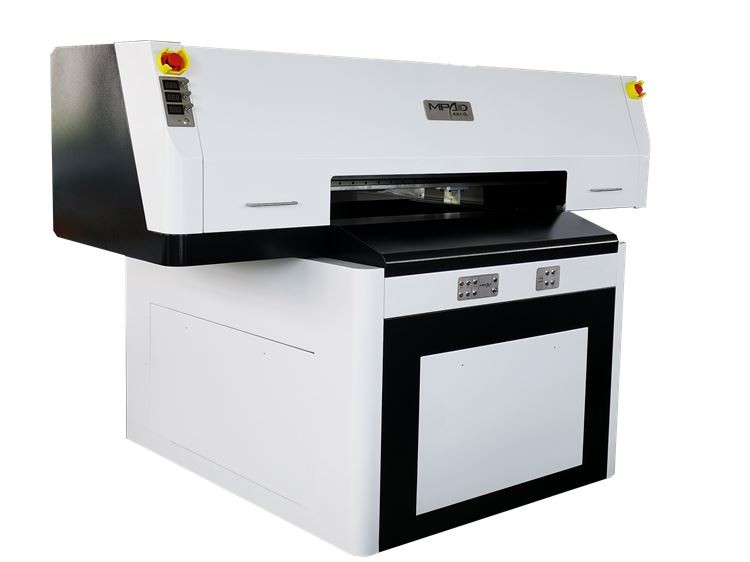
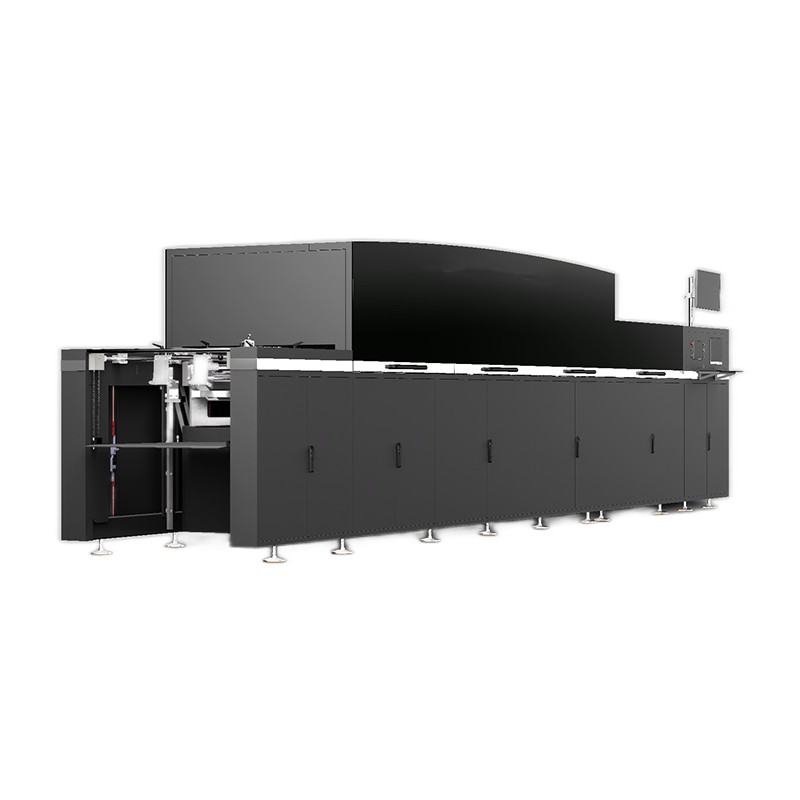
Moreover, the longer lifespan of LED UV lamps reduces the amount of waste generated from lamp replacement. This helps to minimize the environmental impact associated with the disposal of used lamps.
Conclusion
In conclusion, the energy efficiency of a Spot UV Printer is influenced by several factors, including UV lamp technology, printing speed and volume, and ink and varnish consumption. LED - based Spot UV Printers offer significant advantages in terms of energy efficiency, with lower energy consumption, instant on/off capabilities, and longer lamp lifespans.
Compared to other printing technologies, Spot UV Printers can be more energy - efficient, especially when using LED UV lamps. The energy savings not only result in cost benefits for businesses but also contribute to a more sustainable environment.
If you are in the market for a Spot UV Printer, I encourage you to consider the energy efficiency of the machine. Our company offers a range of energy - efficient UV Spot Printer models that can meet your specific printing needs. We also provide UV Spot Varnish Printing and Digital Foiling Printing Machine solutions.
If you are interested in learning more about our products or discussing your printing requirements, please feel free to contact us. We are happy to assist you in finding the most suitable and energy - efficient printing solution for your business.
References
- "UV Curing Technology: Principles and Applications" by John Doe, published by Printing Press Inc., 2020.
- "Energy - Efficient Printing Technologies" report by the International Printing Association, 2022.
- Case studies from various printing companies on energy savings with Spot UV Printers.