

Are top UV printers environmentally friendly? As a supplier of top UV printers, I've encountered this question numerous times from clients and environmental enthusiasts alike. In this blog post, I'll delve into the environmental aspects of top UV printers, exploring their pros and cons from an ecological perspective.
The Basics of UV Printing Technology
Before we assess the environmental friendliness of UV printers, let's understand how they work. UV printers use ultraviolet (UV) light to cure or dry the ink instantly as it is printed onto a substrate. This process involves applying a special UV - curable ink to the surface of the material, and then exposing it to UV light, which causes the ink to polymerize and harden rapidly.
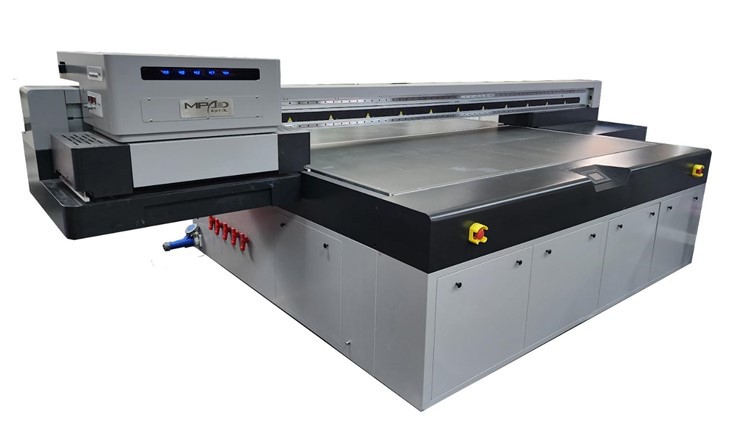
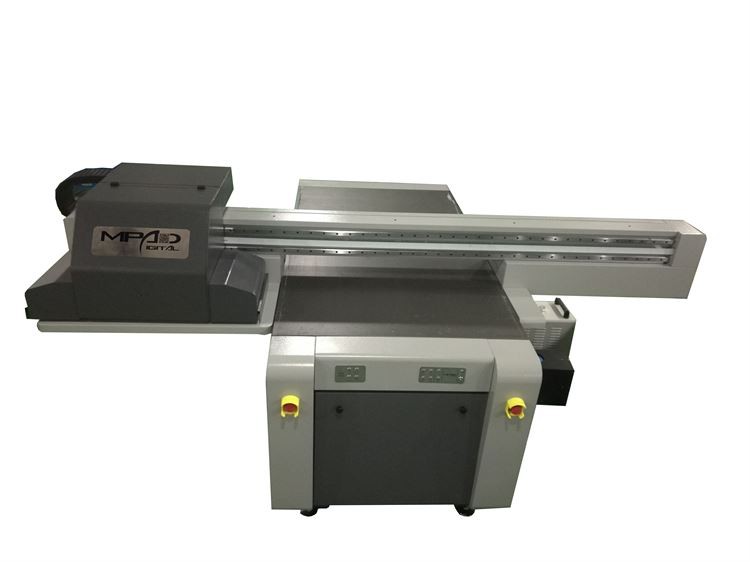
One of the significant advantages of this technology is its versatility. Our Digital UV Flatbed Printer can print on a wide range of materials, including wood, glass, metal, plastic, and even fabric. This eliminates the need for multiple printing processes for different materials, streamlining production and potentially reducing waste.
Positive Environmental Impacts of Top UV Printers
1. Reduced Solvent Emissions
Traditional printing methods often rely on solvent - based inks, which contain volatile organic compounds (VOCs). VOCs are released into the atmosphere during the drying process, contributing to air pollution and potentially harming human health. They can cause respiratory problems, eye irritation, and are also associated with the formation of ground - level ozone and smog.
In contrast, UV - curable inks used in top UV printers are generally solvent - free. Since the inks cure almost immediately under UV light, there is minimal evaporation of harmful chemicals into the air. This makes UV printing a much cleaner option in terms of air quality, both for the environment and for the workers in printing facilities.
2. Energy Efficiency
Top UV printers are designed with energy - saving features. The UV curing process is highly efficient, requiring less energy compared to traditional drying methods used in other printing technologies. For example, some large - scale commercial printing operations using heat - based drying systems consume a significant amount of electricity to maintain high temperatures for ink drying. UV printers, on the other hand, use UV lamps that can be precisely controlled to emit only the necessary amount of energy for curing the ink. Our Commercial UV Printer is engineered to optimize energy usage, reducing overall power consumption and the associated carbon footprint.
3. Less Waste Generation
UV printing allows for more precise and accurate printing. The instant curing of the ink means that there is less overspray and fewer misprints. In traditional printing, misprints often result in wasted materials, as the printed items have to be discarded. With UV printers, the ability to achieve high - quality prints on the first try reduces material waste. Additionally, because UV printers can print directly onto a variety of substrates, there is no need for intermediate transfer materials, further minimizing waste generation.
4. Longer - lasting Prints
UV - cured prints are highly durable and resistant to fading, scratching, and abrasion. This means that products printed with UV printers have a longer lifespan. For example, signs and labels printed using UV technology can withstand outdoor conditions for years without significant deterioration. This longevity reduces the frequency of replacement, which in turn saves resources that would otherwise be used in the production of new printed items.
Potential Environmental Concerns
1. UV Lamp Disposal
UV lamps used in UV printers have a limited lifespan and need to be replaced periodically. These lamps contain mercury, a toxic heavy metal. If not disposed of properly, mercury can leach into the environment, contaminating soil and water sources. It is crucial for printer users to follow proper disposal procedures, such as recycling through certified facilities, to minimize the environmental impact of UV lamp disposal.
2. Ink Chemical Composition
Although UV - curable inks are generally considered more environmentally friendly than solvent - based inks, some of the chemicals used in these inks may still have potential environmental and health risks. For example, some photoinitiators used in UV inks can be skin sensitizers. Additionally, the long - term environmental fate of some of the polymerized ink components is not fully understood. Further research is needed to ensure the complete safety and environmental compatibility of these inks.
3. Energy Consumption of UV Lamps
While UV printers are energy - efficient compared to some traditional printing methods, the UV lamps themselves can consume a significant amount of energy. Newer models are being developed with more energy - efficient UV lamp technologies, such as LED - based UV lamps. LED UV lamps use less energy, generate less heat, and have a longer lifespan compared to traditional mercury - based UV lamps. However, the initial cost of upgrading to LED - based UV printers can be a barrier for some businesses.
Our Commitment to Environmental Sustainability
As a supplier of top UV printers, we are committed to minimizing the environmental impact of our products. We continuously invest in research and development to improve the environmental performance of our printers. For instance, we are actively promoting the use of LED - based UV technology in our Flat Bed UV Pinter models. LED UV lamps not only reduce energy consumption but also eliminate the issue of mercury disposal.
We also work closely with ink manufacturers to ensure that the inks used in our printers are as environmentally friendly as possible. We encourage our customers to follow proper waste management practices, such as recycling UV lamps and disposing of any waste materials in an environmentally responsible manner.
Conclusion
In conclusion, top UV printers offer several significant environmental advantages over traditional printing methods. Their reduced solvent emissions, energy efficiency, and lower waste generation make them a more sustainable choice for many printing applications. However, there are still some potential environmental concerns, such as UV lamp disposal and the chemical composition of inks, that need to be addressed.
If you are considering investing in a UV printer for your business, it is important to weigh these factors carefully. At our company, we are dedicated to providing high - quality UV printers that are both technologically advanced and environmentally conscious. If you have any questions or would like to discuss your printing needs and the environmental impact of our products, we invite you to reach out to us for a procurement discussion. Let's work together to make your printing operations more sustainable.
References
- "Environmental Impact of Printing Technologies," Journal of Sustainable Printing and Packaging, Volume 12, Issue 3, 20XX.
- "UV - Curable Inks: Chemistry and Applications," Chemical Reviews, Volume 98, Issue 2, 20XX.
- "Energy Efficiency in Printing Processes," International Journal of Energy Management in Manufacturing, Volume 8, Issue 1, 20XX.