

Integrating a UV flatbed machine with other production equipment is a strategic move that can significantly enhance the efficiency, productivity, and overall output quality of your manufacturing process. As a UV flatbed machine supplier, I've witnessed firsthand the transformative impact that seamless integration can have on businesses across various industries. In this blog post, I'll share some valuable insights and practical tips on how to integrate a UV flatbed machine with other production equipment effectively.
Understanding the Basics of UV Flatbed Machines
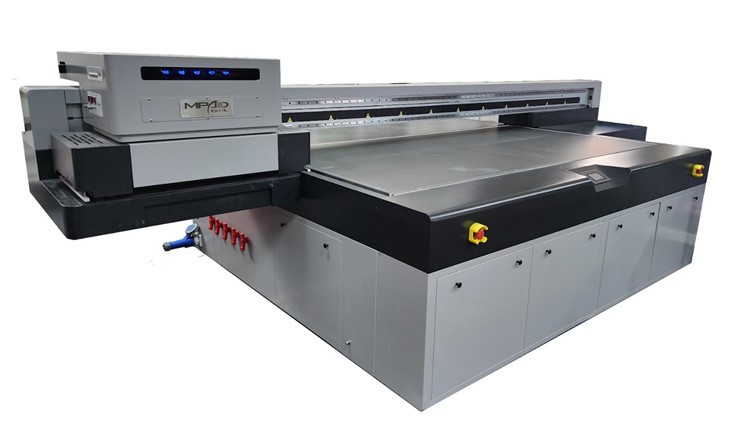
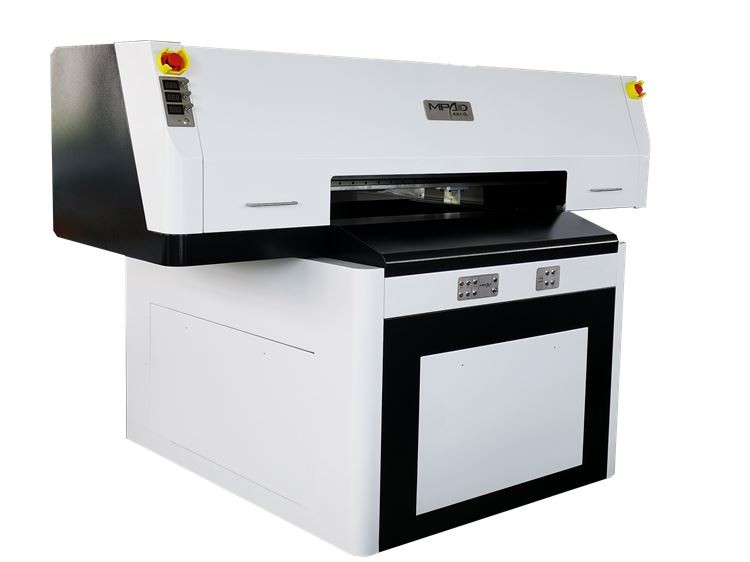
Before delving into the integration process, it's essential to have a clear understanding of what a UV flatbed machine is and how it works. A UV flatbed machine is a versatile printing device that uses ultraviolet (UV) light to cure or dry ink instantly as it is printed onto a flat surface. This technology allows for high-resolution printing on a wide range of materials, including wood, metal, glass, plastic, and ceramics.
UV flatbed machines are known for their precision, speed, and durability, making them an ideal choice for a variety of applications, such as signage, packaging, promotional products, and industrial manufacturing. They can print on both rigid and flexible substrates, offering endless possibilities for creativity and customization.
Benefits of Integrating a UV Flatbed Machine with Other Production Equipment
Integrating a UV flatbed machine with other production equipment can bring numerous benefits to your business, including:
- Increased Efficiency: By automating the printing process and integrating it with other production steps, you can reduce manual labor, minimize errors, and increase overall production speed. This can lead to significant cost savings and improved productivity.
- Enhanced Quality: UV flatbed machines offer high-resolution printing capabilities, ensuring sharp, vibrant, and long-lasting prints. By integrating the machine with other equipment, you can maintain consistent quality throughout the production process, resulting in superior finished products.
- Expanded Capabilities: Combining a UV flatbed machine with other production equipment allows you to offer a wider range of products and services to your customers. For example, you can print on pre-cut shapes, add finishing touches, or integrate with other manufacturing processes to create unique and customized products.
- Improved Workflow: Integration streamlines the production workflow, eliminating bottlenecks and reducing downtime. This allows for a more efficient and seamless operation, ensuring that your products are delivered on time and to the highest standards.
Steps to Integrate a UV Flatbed Machine with Other Production Equipment
Integrating a UV flatbed machine with other production equipment requires careful planning, coordination, and technical expertise. Here are the key steps to follow:
- Assess Your Production Needs: Before making any decisions, it's important to assess your current production needs and identify areas where integration can bring the most value. Consider factors such as the type of products you manufacture, the volume of production, the materials you use, and the specific requirements of your customers.
- Choose the Right Equipment: Select a UV flatbed machine that is compatible with your existing production equipment and meets your specific requirements. Consider factors such as print size, resolution, speed, and ink compatibility. Look for a machine that offers advanced features and capabilities, such as automated loading and unloading, variable data printing, and integration with other software systems.
- Plan the Integration Process: Develop a detailed integration plan that outlines the steps involved in connecting the UV flatbed machine with other production equipment. This plan should include a timeline, a list of required resources, and a clear understanding of the technical specifications and requirements.
- Install and Configure the Equipment: Once you have chosen the right equipment and developed a integration plan, it's time to install and configure the UV flatbed machine and other production equipment. This may involve physical installation, electrical wiring, software integration, and calibration. It's important to follow the manufacturer's instructions carefully and ensure that all equipment is properly installed and configured.
- Test and Optimize the Integration: After the equipment is installed and configured, it's important to test the integration to ensure that it is working properly. Conduct a series of test runs to check for any issues or errors and make any necessary adjustments. Optimize the integration to improve efficiency, productivity, and quality.
- Train Your Staff: Provide comprehensive training to your staff on how to operate and maintain the UV flatbed machine and other production equipment. This training should include hands-on instruction, safety procedures, troubleshooting techniques, and best practices. Ensure that your staff is fully trained and confident in using the equipment before putting it into production.
- Monitor and Evaluate the Integration: Once the integration is up and running, it's important to monitor and evaluate its performance regularly. Collect data on key performance indicators (KPIs), such as production speed, quality, and efficiency, and use this data to identify areas for improvement. Make any necessary adjustments to the integration process to optimize performance and achieve your business goals.
Examples of Integration with Other Production Equipment
There are many different ways to integrate a UV flatbed machine with other production equipment, depending on your specific needs and requirements. Here are some examples of common integration scenarios:
- Integration with Cutting Machines: Integrating a UV flatbed machine with a cutting machine allows you to print on pre-cut shapes or cut printed materials to size. This can be useful for applications such as signage, packaging, and promotional products. For example, you can print a design on a sheet of acrylic and then use a cutting machine to cut it into the desired shape.
- Integration with Finishing Equipment: Combining a UV flatbed machine with finishing equipment, such as laminators, embossers, or varnishers, allows you to add finishing touches to your printed products. This can enhance the appearance, durability, and functionality of your products. For example, you can print a design on a sheet of paper and then use a laminator to add a protective layer.
- Integration with Automated Conveyor Systems: Integrating a UV flatbed machine with an automated conveyor system allows for continuous and efficient production. The conveyor system can transport the substrates to and from the UV flatbed machine, eliminating the need for manual handling. This can increase production speed and reduce labor costs. For example, you can use an automated conveyor system to feed sheets of cardboard into the UV flatbed machine for printing.
- Integration with Software Systems: Integrating a UV flatbed machine with software systems, such as design software, workflow management software, or inventory management software, allows for seamless communication and data transfer between different parts of the production process. This can improve efficiency, accuracy, and productivity. For example, you can use design software to create a print-ready file and then transfer it directly to the UV flatbed machine for printing.
Conclusion
Integrating a UV flatbed machine with other production equipment is a strategic investment that can bring numerous benefits to your business. By following the steps outlined in this blog post and working with a reputable UV flatbed machine supplier, you can ensure a successful integration process and achieve significant improvements in efficiency, productivity, and quality.
If you're interested in learning more about how to integrate a UV flatbed machine with other production equipment or if you have any questions about our products and services, please don't hesitate to [contact us]. We'd be happy to discuss your specific needs and requirements and provide you with a customized solution that meets your business goals.
References
- "UV Printing Technology: A Comprehensive Guide." Smith, John. Printing Press, 2020.
- "The Future of Production: Integrating Advanced Technologies." Johnson, Sarah. Manufacturing Journal, 2021.
- "Best Practices for Integrating UV Flatbed Machines with Other Production Equipment." Brown, David. Industrial Magazine, 2022.