

Hey there! As a supplier of UV Hybrid Printers, I often get asked about how to objectively measure the print quality of these awesome machines. Well, you've come to the right place! In this blog, I'll share some key factors and methods to help you evaluate the print quality of a UV Hybrid Printer like a pro.
Understanding UV Hybrid Printing
First off, let's quickly go over what Hybrid UV Printing is. A UV Hybrid Printer combines the best of both worlds - it can print on a wide variety of flat and curved surfaces, using UV - curable inks. These inks dry almost instantly when exposed to UV light, which allows for high - speed printing and excellent adhesion to different substrates. Whether you're printing on wood, metal, glass, or plastic, a Versatile UV Hybrid Printer can handle it like a champ.
Key Factors in Measuring Print Quality
Color Accuracy
One of the most important aspects of print quality is color accuracy. You want the colors in your print to match the original digital image as closely as possible. To measure color accuracy, you can use a colorimeter or a spectrophotometer. These devices analyze the colors in the print and compare them to a standard color space, like sRGB or Adobe RGB.
A colorimeter is a more affordable option and is great for basic color measurement. It measures the color based on the three primary colors - red, green, and blue. On the other hand, a spectrophotometer is more precise. It measures the entire spectrum of light reflected from the print, giving you a more detailed analysis of the colors.
When using these tools, make sure to measure multiple points on the print, especially in areas with a wide range of colors. This will give you a more accurate picture of how well the printer is reproducing colors.
Resolution
Resolution refers to the number of dots per inch (DPI) that a printer can produce. A higher DPI generally means a sharper and more detailed print. However, it's not just about the DPI number. The printer's ability to place those dots accurately also matters.
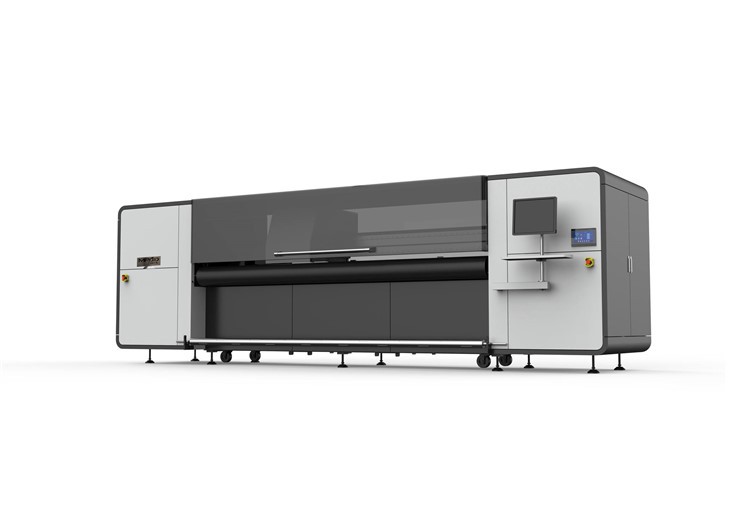
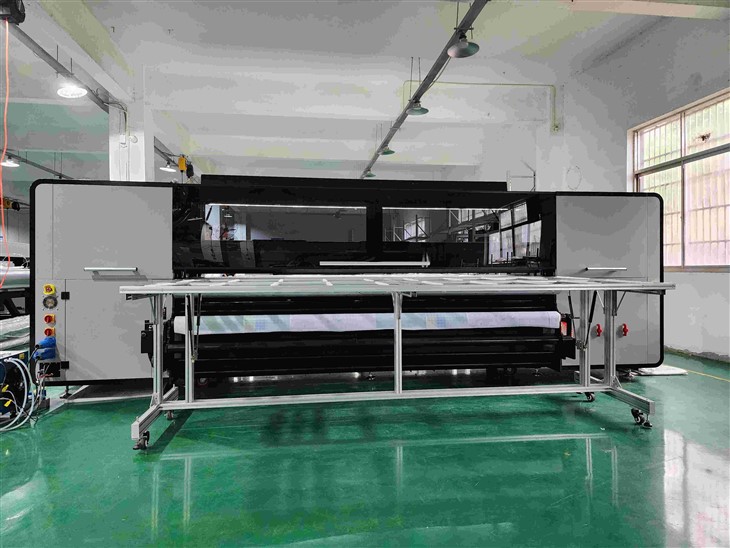
To test the resolution of a UV Hybrid Printer, you can print a test pattern with fine lines and small text. Examine the print under a magnifying glass or a microscope. Look for any blurring, jagged edges, or missing dots. A good printer should be able to print sharp, well - defined lines and text, even at small sizes.
It's also important to note that the resolution requirements can vary depending on the application. For example, if you're printing large - format billboards, you may not need as high a DPI as you would for printing detailed photographs or labels.
Dot Placement and Uniformity
The way the printer places the dots on the substrate is crucial for print quality. Dots should be placed precisely in the right location, and the ink should be distributed evenly across the print area.
To check dot placement, you can print a dot pattern. Look for any misaligned dots or gaps between them. Uneven dot placement can result in a grainy or patchy appearance in the print.
Uniformity is also important. You can test this by printing a solid color block. Check for any variations in color density or streaks across the block. A high - quality UV Hybrid Printer should produce a smooth, consistent color with no visible differences in density.
Ink Adhesion
Since UV Hybrid Printers can print on a variety of substrates, ink adhesion is a critical factor. The ink should stick firmly to the substrate and not peel or flake off, even under normal handling or environmental conditions.
To test ink adhesion, you can perform a simple tape test. Print a sample on the substrate and let it dry completely. Then, apply a piece of adhesive tape firmly to the print and press it down to ensure good contact. Quickly pull the tape off at a 90 - degree angle. If a significant amount of ink comes off with the tape, the ink adhesion is poor.
You can also test ink adhesion under more extreme conditions, such as by exposing the print to heat, humidity, or chemicals. This will give you a better idea of how well the ink will hold up in real - world applications.
Print Durability
Print durability is another important consideration, especially for applications where the print will be exposed to the elements or rough handling. Factors that affect print durability include scratch resistance, fade resistance, and abrasion resistance.
To test scratch resistance, you can use a scratch tester or simply try scratching the print with a hard object (be careful not to damage the print too much). Look for any visible scratches or damage to the ink layer.
Fade resistance can be tested by exposing the print to sunlight or artificial UV light for a period of time. Compare the color of the print before and after the exposure. A good printer should produce prints that resist fading for an extended period.
Abrasion resistance can be tested by rubbing the print with a soft cloth or a piece of sandpaper. Check for any signs of ink wear or damage.
Practical Tips for Measuring Print Quality
- Use Standard Test Patterns: There are many standard test patterns available online that you can use to test different aspects of print quality. These patterns are designed to highlight specific issues, such as resolution, color accuracy, and dot placement.
- Keep the Printing Environment Consistent: The temperature, humidity, and lighting in the printing environment can affect print quality. Try to keep these factors as consistent as possible when conducting your tests.
- Compare with Known Standards: If possible, compare the prints from the UV Hybrid Printer with prints from a printer that you know has good print quality. This can give you a better sense of how the printer stacks up.
Why Choose Our UV Hybrid Printers
At our company, we take print quality very seriously. Our Hybrid Printers are designed and engineered to meet the highest standards of color accuracy, resolution, and durability. We use the latest technology and high - quality components to ensure that our printers produce exceptional prints every time.
We also offer comprehensive support and training to our customers. Whether you're a beginner or an experienced printer operator, our team is here to help you get the most out of your UV Hybrid Printer.
Contact Us for a Purchase
If you're interested in purchasing a UV Hybrid Printer and want to learn more about how our printers can meet your specific needs, we'd love to hear from you. Contact us today to start a conversation about your printing requirements. We can provide you with detailed information, pricing, and even arrange a demonstration so you can see the print quality for yourself.
References
- Smith, J. (2020). "Advanced Printing Technologies: A Comprehensive Guide". PrintTech Publishing.
- Johnson, A. (2019). "Color Management in Digital Printing". ColorPress Books.
- Brown, R. (2021). "Testing and Evaluating Print Quality". PrintQuality Institute.