

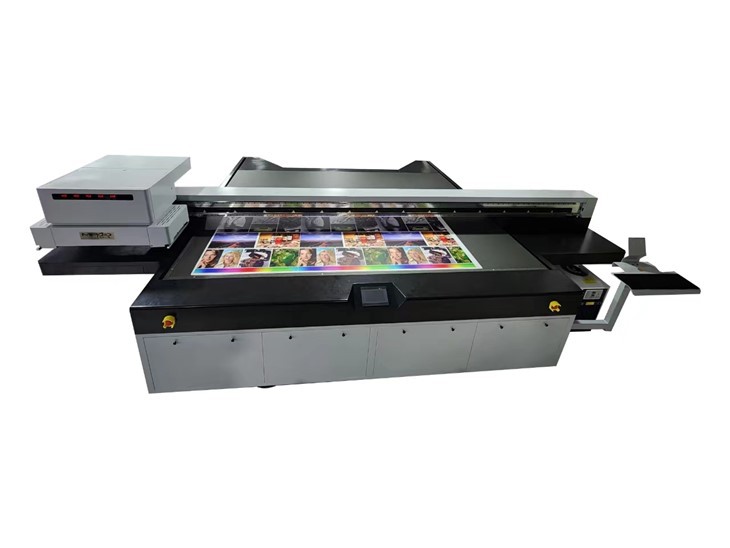
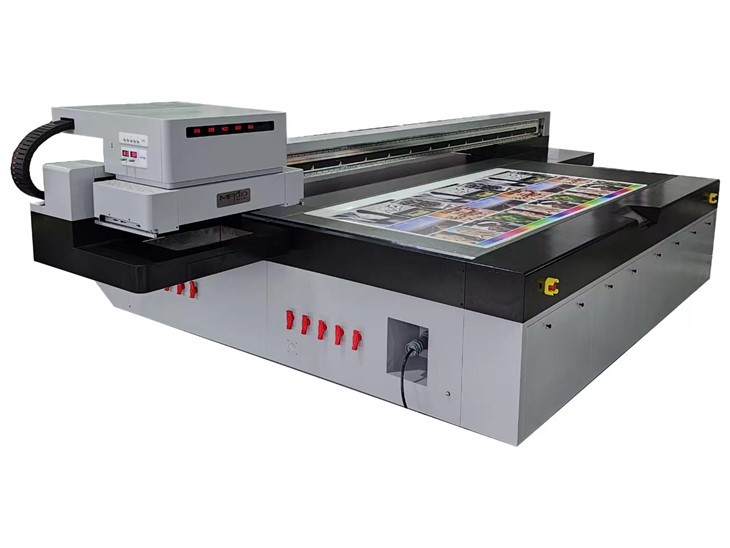
Hey there! I'm a supplier of large UV printers, and I know that dealing with waste ink is a headache for many users. Today, I'm gonna share some tips on how to recycle the waste ink from a large UV printer.
First off, let's talk about why recycling waste ink is important. For one thing, it's good for the environment. UV ink contains various chemicals, and if it's not properly disposed of, it can pollute the soil and water. Also, recycling waste ink can save costs. Buying new ink all the time can really add up, especially for large - scale printing operations.
Understanding the Waste Ink from Large UV Printers
Before we get into the recycling process, it's crucial to understand what waste ink from large UV printers actually is. The waste ink usually comes from several sources. During the printer's maintenance, like head cleaning, a certain amount of ink is used to flush out any clogs or debris in the print heads. This used ink is then collected as waste. Also, when there are color changes or test prints, the excess ink that's not used for the final product becomes waste.
The composition of UV ink is quite complex. It typically contains monomers, oligomers, photo - initiators, pigments, and additives. These components have different chemical properties, which means we need to be careful when recycling them.
Step - by - Step Recycling Process
1. Collection
The first step in recycling waste ink is to collect it properly. Most large UV printers come with a waste ink collection tank. Make sure this tank is clean and in good condition before you start using it. Regularly check the tank level to prevent overflow. Once the tank is full, carefully transfer the waste ink to a larger, sealed container. Label this container clearly as "Waste UV Ink" to avoid any mix - ups.
2. Filtration
After collecting the waste ink, the next step is filtration. Filtration helps remove any solid particles, such as dust, debris, or dried ink clumps, from the waste ink. You can use a fine - mesh filter, like a 1 - micron or 5 - micron filter, depending on the size of the particles you want to remove. Pour the waste ink through the filter slowly, and let gravity do the work. This process may take some time, but it's essential for getting a clean base for further recycling.
3. Separation
Once the ink is filtered, we need to separate the different components of the UV ink. One common method is centrifugation. Centrifuges spin the ink at high speeds, causing the heavier components, like pigments, to settle at the bottom, while the lighter monomers and oligomers stay on top. You can then carefully siphon off the top layer for further processing. Another option is distillation, which uses heat to separate the components based on their boiling points. However, distillation requires specialized equipment and should be done with caution due to the flammable nature of some UV ink components.
4. Re - formulation
After separation, we need to re - formulate the ink. This involves adding back the right amount of monomers, oligomers, photo - initiators, and other additives to get an ink that's suitable for printing again. The re - formulation process is a bit tricky, as you need to ensure that the ink has the right viscosity, color, and curing properties. It's a good idea to work with a chemist or an ink expert during this stage to get the best results.
Tips and Precautions
- Safety First: When handling waste UV ink, always wear protective gear, such as gloves, goggles, and a lab coat. UV ink can be harmful if it comes into contact with your skin or eyes.
- Storage: Store the waste ink in a cool, dry place away from direct sunlight. UV light can cause the ink to cure prematurely, making it useless for recycling.
- Testing: Before using the recycled ink in your large UV printer, do a small test print. This will help you check if the ink has the right quality and performance.
Benefits of Recycling Waste Ink
Recycling waste ink from large UV printers has several benefits. As I mentioned earlier, it's great for the environment. By reducing the amount of waste ink that goes into landfills, we're doing our part to protect the planet.
From a business perspective, it can save a significant amount of money. Ink is one of the major costs in large - scale printing operations. By recycling waste ink, you can cut down on your ink purchase expenses, which directly impacts your bottom line.
Moreover, it can also enhance your brand image. Customers are becoming more environmentally conscious these days. When they know that you're taking steps to recycle waste ink, they're more likely to view your business in a positive light.
Related Products
If you're interested in large - scale printing, you might also want to check out some of our other products. We offer a range of Small Format Flatbed Printer that are perfect for smaller projects or businesses just starting out. Our UV Printer Flatbed is known for its high - quality printing and reliability. And if you're looking for a more advanced option, our Flatbed Digital Printer offers even more features and capabilities.
Conclusion
Recycling waste ink from large UV printers is not only good for the environment but also makes good business sense. By following the steps I've outlined above and taking the necessary precautions, you can effectively recycle your waste ink and reduce your printing costs.
If you have any questions about waste ink recycling or our large UV printers, feel free to reach out. We're always here to help you make the most of your printing operations. Whether you're a small business owner or a large - scale printing company, we can provide you with the right solutions. So, don't hesitate to contact us for more information and to start discussing your purchasing needs.
References
- "UV Ink Technology: Principles and Applications" - A comprehensive guide on the chemistry and use of UV ink.
- "Waste Management in the Printing Industry" - This book offers insights into waste ink management and recycling in the printing sector.