

As a supplier of flatbed printers, I understand the importance of ensuring that these valuable and often delicate machines are transported safely. A flatbed printer is a significant investment for any business, and damage during transit can lead to costly repairs, delays, and customer dissatisfaction. In this blog post, I will share some essential tips on how to transport a flatbed printer safely.
Pre - transport Preparation
1. Machine Inspection
Before packing the flatbed printer for transport, conduct a thorough inspection. Check for any loose parts, signs of wear and tear, or pre - existing damage. Make a detailed record of the printer's condition, including photos. This documentation will be crucial in case of any disputes with the shipping company if damage occurs during transit.
2. Cleaning and Maintenance
Clean the printer thoroughly. Remove any ink residues, dust, or debris from the print heads, rollers, and other components. This not only helps to keep the printer in good working condition but also prevents any potential issues that could arise during transport, such as clogged nozzles. Additionally, perform any necessary maintenance tasks, like lubricating moving parts if required.
3. Disassembly (if applicable)
Some flatbed printers can be partially disassembled to reduce the risk of damage during transport. However, this should only be done if you have the proper knowledge and tools. Remove any detachable parts, such as print heads, cartridges, and trays. Label each part clearly and store them in a secure container. Make sure to follow the manufacturer's guidelines for disassembly to avoid causing any damage to the printer.
Packing the Flatbed Printer
1. Use High - Quality Packing Materials
Invest in high - quality packing materials to protect the printer during transit. Use thick foam padding to cushion the printer and prevent it from shifting inside the box. Bubble wrap can also be used to wrap delicate parts. Cardboard corner protectors can be placed at the edges of the printer to prevent impact damage.
2. Custom - Fit Boxes
Whenever possible, use custom - fit boxes for the flatbed printer. These boxes are designed to fit the printer precisely, reducing the amount of movement during transport. If a custom - fit box is not available, choose a box that is slightly larger than the printer and fill the extra space with packing materials to ensure a snug fit.
3. Securing the Printer Inside the Box
Place the printer in the center of the box and secure it using straps or ropes. Make sure the printer is firmly held in place and cannot move around during transit. If there are any gaps between the printer and the box, fill them with additional packing materials to provide extra protection.
Choosing the Right Shipping Method
1. Professional Shipping Companies
Select a reputable and experienced shipping company that has a proven track record of transporting delicate equipment. Look for companies that offer insurance options and have a good understanding of the requirements for shipping flatbed printers. Check online reviews and ask for recommendations from other businesses in the industry.
2. Mode of Transport
The mode of transport depends on the distance and the urgency of the delivery. For short - distance transports, ground shipping may be the most cost - effective option. However, for long - distance or international shipments, air freight may be a better choice as it is generally faster and can reduce the risk of damage caused by extended transit times.
3. Special Handling Requirements
Inform the shipping company about the special handling requirements of the flatbed printer. Let them know that it is a delicate and valuable piece of equipment that requires careful handling. Some shipping companies offer specialized services for transporting high - value and fragile items, which may include temperature - controlled environments and extra security measures.
In - transit Monitoring
1. Tracking Services
Most shipping companies offer tracking services that allow you to monitor the progress of your flatbed printer during transit. Use this service to keep an eye on the location of the printer and ensure that it is on schedule. If there are any delays or issues, you can contact the shipping company immediately to find out the status.
2. Communication with the Shipping Company
Maintain regular communication with the shipping company. Ask for updates on the shipment and any potential problems that may arise. If there are any concerns about the condition of the printer during transit, such as rough handling or adverse weather conditions, the shipping company can take appropriate measures to minimize the risk of damage.
Unloading and Installation
1. Professional Unloading
When the flatbed printer arrives at its destination, it is important to have it unloaded by professionals. They have the experience and equipment to handle the printer safely and avoid any damage. Make sure the unloading area is clean, dry, and free of any obstacles.
2. Reassembly (if applicable)
If the printer was disassembled before transport, reassemble it carefully following the manufacturer's instructions. Check all the connections and make sure that all the parts are properly installed. Test the printer to ensure that it is working correctly.
Conclusion
Transporting a flatbed printer safely requires careful planning, proper packing, and the right shipping methods. By following these tips, you can minimize the risk of damage during transit and ensure that your customers receive their printers in perfect working condition.
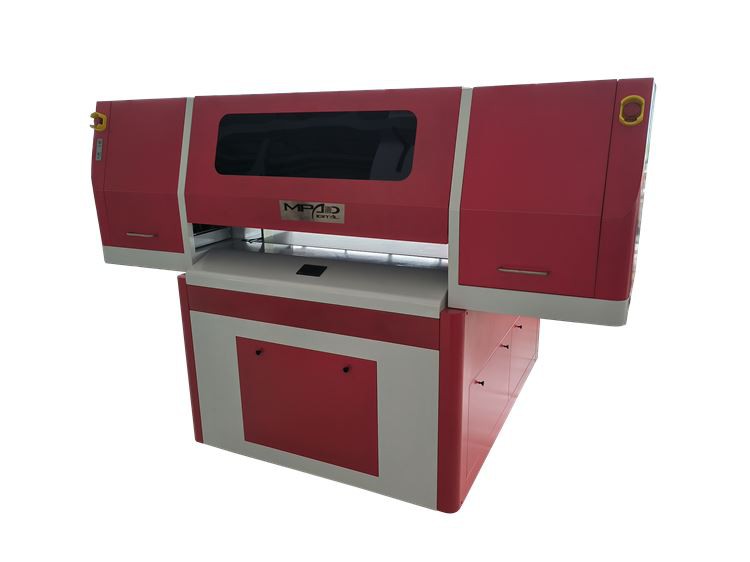
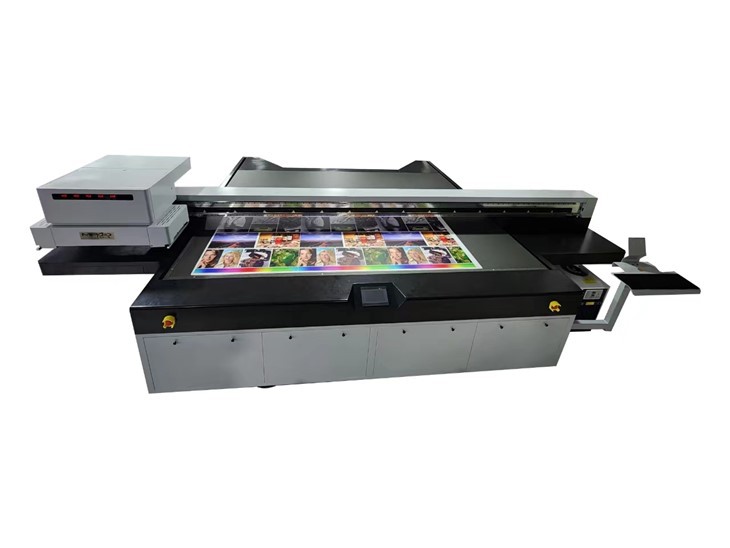
If you are interested in purchasing a flatbed printer, we offer a wide range of options, including Small Format Flatbed Printer, UV LED Flatbed Printer, and UV Digital Printer. We are committed to providing high - quality products and ensuring their safe delivery. If you have any questions or would like to discuss your specific requirements, please feel free to contact us for a detailed consultation and purchase negotiation.
References
- Manufacturer's manuals for flatbed printers
- Industry best practices for transporting delicate equipment
- Shipping company guidelines and recommendations