
Is Print UV environmentally friendly?
As a supplier of Print UV products, I've often been asked about the environmental friendliness of Print UV technology. This is a crucial question in today's world, where environmental concerns are at the forefront of many business and consumer decisions. In this blog, I'll delve into the various aspects of Print UV to determine whether it can be considered an environmentally friendly printing option.
Understanding Print UV Technology
Print UV, also known as UV - cured printing, is a modern printing method that uses ultraviolet (UV) light to dry or cure ink as it is printed onto a substrate. Unlike traditional printing methods that rely on air - drying or solvent evaporation, UV - cured inks solidify almost instantly when exposed to UV light, which offers several advantages in terms of efficiency and quality.
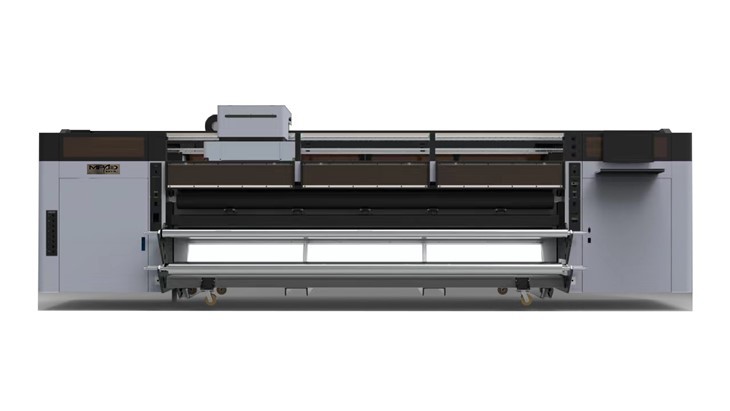
One of the key features of Print UV technology is its ability to work with a wide range of materials. Whether it's paper, cardboard, plastic, metal, or glass, Print UV can provide high - quality prints. This versatility makes it a popular choice in many industries, from advertising and packaging to industrial manufacturing. For instance, Roll To Roll Printing Machine and Large Format Banner Printers that utilize Print UV technology can produce large - scale, vibrant banners for events and advertising campaigns.
Environmental Advantages of Print UV
Reduced Volatile Organic Compounds (VOCs)
One of the most significant environmental benefits of Print UV is the low emission of volatile organic compounds (VOCs). Traditional solvent - based inks release a large amount of VOCs into the atmosphere during the drying process. VOCs are harmful pollutants that can contribute to air pollution, smog formation, and even have adverse health effects on humans, such as respiratory problems and eye irritation.
In contrast, UV - cured inks are formulated to be low in VOCs. Since the inks cure through a photochemical reaction rather than evaporation, there is minimal release of harmful chemicals into the air. This makes Print UV a much cleaner option for indoor printing environments, such as print shops and offices, and also reduces the overall environmental impact on the surrounding air quality.
Energy Efficiency
Print UV systems can be more energy - efficient compared to some traditional printing methods. The curing process in UV - printing is rapid, which means that the equipment doesn't need to run for extended periods to dry the ink. Additionally, modern UV - curing lamps are designed to be more energy - efficient, consuming less power while still providing sufficient UV light for ink curing.
Moreover, the ability to print on a variety of substrates without the need for pre - treatment or post - treatment processes in some cases can also save energy. For example, in the production of Banner Printer products, the quick curing of UV inks allows for faster production cycles, reducing the overall energy consumption per print job.
Less Waste Generation
Print UV technology often results in less waste compared to traditional printing methods. The precise curing process means that there is less overspray and ink wastage. In traditional printing, ink can spread beyond the intended printing area, leading to wasted ink and potentially defective prints. With Print UV, the ink is cured immediately upon contact with the substrate, ensuring that it stays precisely where it is supposed to be.
Also, because UV - cured prints are more durable and resistant to fading, scratching, and water damage, the products have a longer lifespan. This reduces the need for frequent re - printing, which in turn conserves resources such as paper, ink, and energy.
Environmental Challenges of Print UV
UV Lamp Disposal
While UV lamps are essential for the Print UV process, they pose an environmental challenge when it comes to disposal. UV lamps often contain mercury, a toxic heavy metal. If not disposed of properly, mercury can leach into the soil and water, causing pollution and potential harm to human health and the ecosystem.
Proper disposal of UV lamps requires specialized recycling facilities that can safely extract and manage the mercury. However, not all regions have easy access to such facilities, which can make it difficult for print shops and businesses using Print UV technology to ensure environmentally friendly disposal of their used lamps.
Energy Consumption of UV Lamps
Although modern UV lamps are more energy - efficient than their predecessors, they still consume a significant amount of electricity. The high - intensity UV light required for ink curing means that the lamps need to operate at relatively high power levels. This can contribute to increased energy consumption, especially in large - scale printing operations. Additionally, the energy used to power the lamps may come from non - renewable sources, which can have a negative impact on the environment in terms of carbon emissions.
Substrate Compatibility and Recycling
While Print UV can work with a wide range of substrates, not all of these materials are easily recyclable. Some plastics and specialty materials used in UV - printing may require complex recycling processes or may not be recyclable at all. This can lead to increased waste in landfills if proper end - of - life management strategies are not in place.
Mitigating the Environmental Impact
To address the environmental challenges associated with Print UV, several measures can be taken.
UV Lamp Recycling Programs
Print UV suppliers and print shops can establish or participate in UV lamp recycling programs. By partnering with specialized recycling companies, they can ensure that used UV lamps are disposed of safely and that the mercury is properly extracted and recycled. This helps to prevent mercury pollution and reduces the environmental impact of lamp disposal.
Energy - Saving Technologies
Investing in energy - saving technologies can help reduce the energy consumption of UV lamps. For example, using LED - based UV lamps instead of traditional mercury - vapor lamps can significantly lower energy usage. LED UV lamps also have a longer lifespan, which means less frequent replacement and reduced waste generation.
Sustainable Substrate Selection
When choosing substrates for Print UV, suppliers and customers should prioritize sustainable options. Opting for recyclable, biodegradable, or renewable materials can help reduce the environmental impact of the printing process. Additionally, suppliers can work with substrate manufacturers to develop more sustainable materials that are specifically designed for UV - printing.
Conclusion
Print UV technology has both environmental advantages and challenges. On one hand, it offers significant benefits such as low VOC emissions, energy efficiency, and reduced waste generation. On the other hand, issues like UV lamp disposal, energy consumption of lamps, and substrate recyclability need to be addressed.
As a Print UV supplier, I am committed to promoting the use of this technology in an environmentally responsible way. By implementing measures to mitigate the environmental impact, such as participating in lamp recycling programs, adopting energy - saving technologies, and promoting sustainable substrate selection, we can make Print UV a more environmentally friendly option.
If you are interested in learning more about our Print UV products or have any questions regarding the environmental aspects of our technology, I encourage you to contact us for a detailed discussion. Our team is ready to provide you with the information you need and to assist you in making the most environmentally friendly and cost - effective printing decisions.
References
- "UV Printing Technology: Principles and Applications." Journal of Printing Science and Technology.
- "Environmental Impact Assessment of Printing Technologies." International Journal of Environmental Science and Technology.
- "Advances in UV - Cured Inks and Coatings." Polymer Science Review.