
As a supplier of UV Flatbed Printers, I often encounter inquiries from customers regarding the environmental friendliness of the ink used in these printers. This is a crucial question, considering the growing global emphasis on sustainable and eco - friendly business practices. In this blog, I will delve into the topic to provide a comprehensive understanding of whether the ink of a UV Flatbed Printer is environmentally friendly.
Understanding UV Flatbed Printers
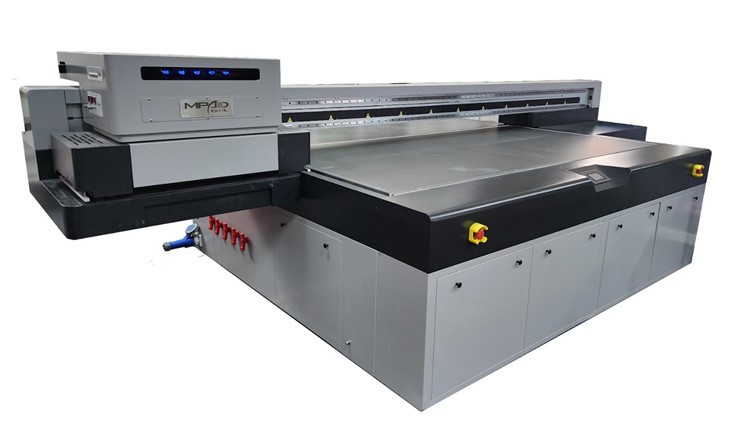
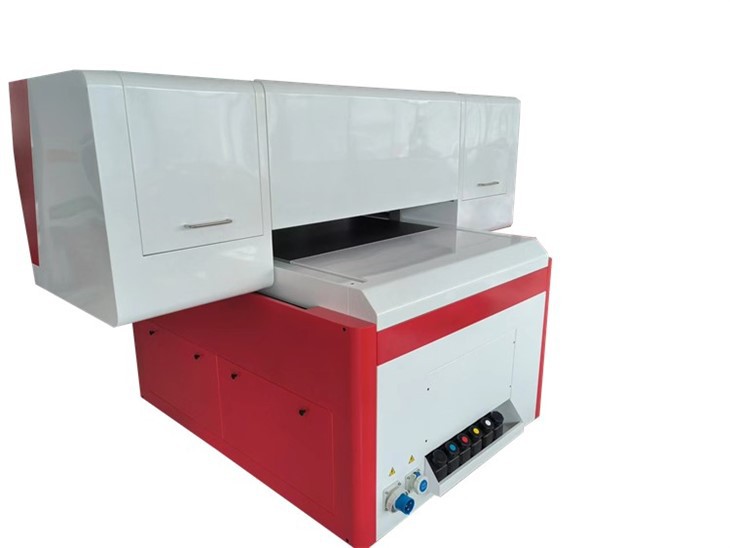
Before discussing the ink, it's essential to have a basic understanding of UV Flatbed Printers. These printers are highly versatile machines capable of printing on a wide range of flat surfaces, such as wood, glass, metal, and plastic. They use ultraviolet (UV) light to cure the ink instantly as it is printed, which results in high - quality, durable prints. There are different models available, like the UV Flatbed Printer Machine and the Wide Format Flatbed Printer, which cater to various printing needs, from small - scale projects to large - format commercial jobs.
Composition of UV Ink
UV ink is primarily composed of monomers, oligomers, photoinitiators, pigments, and additives. Monomers and oligomers are the base components that form the ink's structure. Photoinitiators are responsible for initiating the curing process when exposed to UV light. Pigments provide the color, and additives are used to enhance certain properties of the ink, such as adhesion and flexibility.
Environmental Advantages of UV Ink
Low VOC Emissions
One of the most significant environmental benefits of UV ink is its low volatile organic compound (VOC) emissions. VOCs are chemicals that can evaporate into the air at room temperature and contribute to air pollution, smog formation, and health problems such as respiratory issues and headaches. Traditional solvent - based inks release a large amount of VOCs during the printing process. In contrast, UV ink cures almost instantly under UV light, which means there is minimal evaporation of VOCs. This makes UV Flatbed Printers a more environmentally friendly option, especially for indoor printing environments where air quality is a concern.
Reduced Waste
UV ink's quick - curing nature also leads to reduced waste. Since the ink dries immediately, there is less chance of smudging or misprints. This means fewer re - prints and less wasted media. Additionally, the long - shelf life of UV ink reduces the need for frequent ink replacements, further minimizing waste generation.
Energy Efficiency
Although UV Flatbed Printers use UV lamps to cure the ink, modern printers are designed to be energy - efficient. The UV lamps consume less energy compared to the drying processes of traditional printers, which often rely on heat to dry solvent - based inks. Over time, this can result in significant energy savings, making UV printing a more sustainable option from an energy consumption perspective.
Potential Environmental Concerns
Chemical Composition
While UV ink has many environmental advantages, it's important to note that some of the chemicals used in its composition can be potentially harmful. For example, certain monomers and photoinitiators may be toxic or allergenic. However, the printing industry has been making efforts to develop more eco - friendly formulations. Many manufacturers, including our company, are now using low - toxicity monomers and photoinitiators to reduce the environmental and health risks associated with UV ink.
Disposal of Waste Ink and Cured Materials
Proper disposal of waste UV ink and cured materials is crucial. The cured ink forms a solid polymer, and if not disposed of correctly, it can end up in landfills. Some cured materials may be recyclable, but the recycling process can be complex and may require specialized facilities. It's important for businesses to work with waste management companies that have experience in handling UV ink waste to ensure proper disposal.
Certifications and Standards
To ensure the environmental friendliness of UV ink, it's advisable to look for inks that have obtained relevant certifications. For example, the European Union's REACH (Registration, Evaluation, Authorization, and Restriction of Chemicals) regulation sets strict standards for the use of chemicals in products. Inks that comply with REACH are generally considered to be more environmentally and health - friendly. Additionally, other certifications such as ISO 14001, which focuses on environmental management systems, can also be an indicator of a company's commitment to environmental sustainability.
Our Company's Approach
As a supplier of Printer UV Flatbed, we are committed to providing environmentally friendly solutions. We source our UV inks from manufacturers that adhere to strict environmental standards. Our inks are formulated to have low VOC emissions and use low - toxicity chemicals. We also provide our customers with guidance on proper waste disposal to minimize the environmental impact of their printing operations.
Conclusion
In conclusion, the ink of a UV Flatbed Printer can be considered environmentally friendly when compared to traditional solvent - based inks. Its low VOC emissions, reduced waste, and energy - efficiency make it a more sustainable option. However, it's important to be aware of the potential environmental concerns associated with its chemical composition and waste disposal. By choosing inks that meet environmental standards and following proper waste management practices, businesses can enjoy the benefits of UV printing while minimizing their environmental footprint.
If you are interested in learning more about our UV Flatbed Printers and the environmentally friendly inks we offer, we encourage you to contact us for a detailed discussion. Our team of experts is ready to assist you in finding the right printing solution for your needs. Whether you are a small - business owner looking for a cost - effective printing option or a large - scale commercial printer aiming for high - quality and sustainable printing, we have the products and knowledge to support you. Start your journey towards more environmentally friendly printing operations today.
References
- "The Chemistry of UV Curing" - RadTech International
- "Environmental Impact of Printing Inks" - Printing Industries of America
- "REACH Regulation Overview" - European Chemicals Agency