

What are the noise levels of a UV spot printer?
As a supplier of UV spot printers, I often receive inquiries about various aspects of our products, and one question that comes up quite frequently is about the noise levels of UV spot printers. In this blog post, I'll delve into the details of what noise levels you can expect from a UV spot printer and the factors that influence them.
Understanding UV Spot Printers
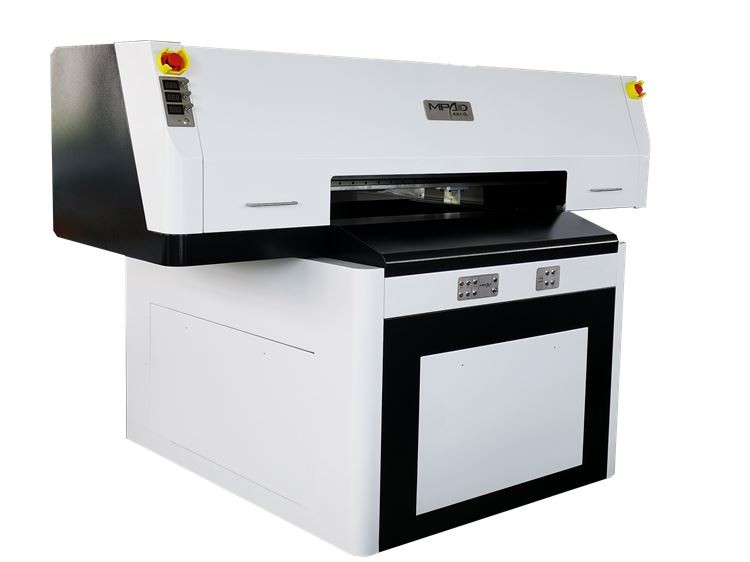
Before we discuss the noise levels, let's briefly understand what a UV spot printer is. A UV spot printer is a specialized printing device that uses ultraviolet (UV) light to cure or dry the ink or varnish applied to a substrate. It's widely used in the printing industry for adding high - gloss, raised, or textured effects to printed materials such as business cards, brochures, and packaging. You can learn more about our UV Spot Printer on our website.
Typical Noise Levels of UV Spot Printers
The noise levels of a UV spot printer can vary depending on several factors. Generally, during normal operation, a well - maintained and properly designed UV spot printer can produce noise levels in the range of 60 - 75 decibels (dB). To put this into perspective, a normal conversation typically takes place at around 60 dB, and a vacuum cleaner operates at about 70 dB. So, the noise generated by a UV spot printer is comparable to common household or office noises.
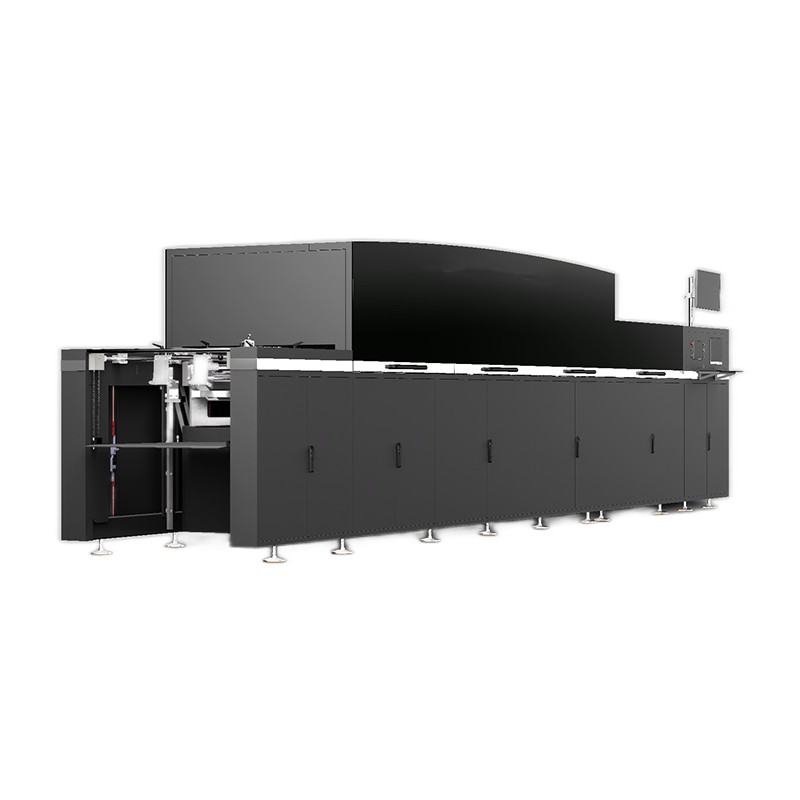
However, it's important to note that these are approximate values. Some smaller, desktop - sized UV spot printers may operate at the lower end of this range, around 60 - 65 dB. These printers are often used in small print shops or home offices where noise may be a more sensitive issue. On the other hand, larger industrial - grade UV spot printers may produce noise levels closer to 70 - 75 dB. These machines are designed for high - volume production and may have more powerful motors and pumps, which can contribute to slightly higher noise levels.
Factors Affecting Noise Levels
- Motor and Pump Operations
The motors and pumps in a UV spot printer are responsible for moving the print heads, feeding the substrate, and circulating the ink or varnish. High - speed motors and pumps can generate more noise. For example, if a printer has a powerful motor to drive the print head at a high speed for faster printing, it will likely produce more noise compared to a printer with a slower - moving motor. Additionally, the quality and design of the motors and pumps also play a role. Well - engineered components with proper insulation and vibration dampening can reduce noise levels significantly. - UV Curing System
The UV curing system is another major source of noise. The UV lamps need to be cooled to maintain their performance and lifespan. Cooling fans are used to dissipate the heat generated by the UV lamps, and these fans can produce a significant amount of noise. The size and speed of the fans, as well as the design of the cooling system, can affect the noise levels. Some advanced UV spot printers use more efficient cooling systems that generate less noise while still effectively cooling the UV lamps. - Printing Speed
Faster printing speeds usually result in higher noise levels. When the printer is operating at a high speed, the motors and other moving parts have to work harder, which can increase the noise output. If you're willing to sacrifice some printing speed for a quieter operation, you can set the printer to a lower speed setting. This can be a good option for applications where noise is a concern, such as in an office environment. - Substrate Handling
The way the printer handles the substrate can also contribute to the noise. For example, if the substrate is fed into the printer using a friction - based feeding system, it can produce noise as the substrate rubs against the feed rollers. Printers with more advanced substrate handling systems, such as vacuum - assisted feeding, can reduce this type of noise.
Noise Reduction Measures
As a supplier, we are aware of the importance of noise reduction, especially for our customers who operate in noise - sensitive environments. Here are some of the noise reduction measures we implement in our UV spot printers:
- Soundproof Enclosures
We offer optional soundproof enclosures for our printers. These enclosures are made of sound - absorbing materials that can significantly reduce the noise levels. The enclosures are designed to fit the printer precisely and do not interfere with the printer's operation. They can be a great solution for customers who need to operate the printer in an office or a shared workspace. - Vibration Isolation
We use vibration isolation techniques to reduce the noise generated by the moving parts. By isolating the motors and other vibrating components from the printer's frame, we can prevent the vibrations from being transmitted and amplified, which in turn reduces the noise output. This is achieved through the use of rubber mounts, springs, and other vibration - dampening materials. - Quiet - Running Components
We source high - quality, quiet - running components for our printers. This includes motors, pumps, and fans that are designed to operate with minimal noise. By using these components, we can ensure that our printers have lower noise levels without sacrificing performance.
Comparing with Other Printing Technologies
When comparing UV spot printers with other printing technologies, such as traditional offset printing or digital inkjet printing, the noise levels of UV spot printers are generally comparable or lower. Offset printing presses can be quite noisy, especially during the printing and plate - changing processes. Digital inkjet printers can also produce noise, mainly from the print head movement and the ink circulation system. However, the noise levels of UV spot printers can be more easily controlled and reduced through the measures mentioned above.
Importance of Noise Considerations
Considering the noise levels of a UV spot printer is important for several reasons. In a work environment, excessive noise can cause distractions and reduce productivity. It can also have a negative impact on the health and well - being of the employees, leading to stress, fatigue, and even hearing loss over time. For businesses located in areas with strict noise regulations, it's essential to choose a printer that meets the noise requirements to avoid potential fines and legal issues.
Conclusion
In conclusion, the noise levels of a UV spot printer can vary depending on factors such as motor and pump operations, the UV curing system, printing speed, and substrate handling. However, with proper design and the implementation of noise reduction measures, it's possible to keep the noise levels within an acceptable range. As a supplier, we are committed to providing our customers with high - quality UV spot printers that not only offer excellent printing performance but also operate quietly.
If you're interested in learning more about our UV Spot Printer, or our other products such as Digital Foiling Printing Machine and UV Spot Varnish Printing, please don't hesitate to contact us for more information and to discuss your specific requirements. We look forward to the opportunity to work with you and help you find the perfect printing solution for your business.
References
- "Principles of Printing Technology" by John D. Carroccio
- "UV Curing Technology: Science and Applications" by Kurt Dietliker