

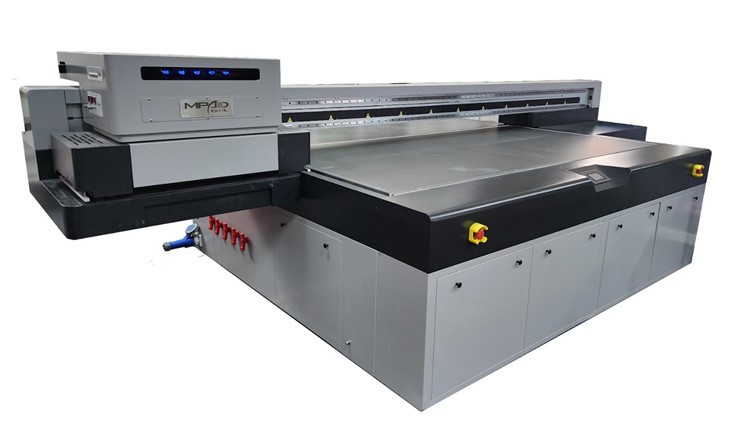
A UV flatbed printer is a versatile and powerful tool that can print high - quality images on a wide range of flat and even some irregular surfaces. As a supplier of Printer UV Flatbed, I understand the importance of having the right accessories to enhance the performance, efficiency, and functionality of these printers. In this blog post, I will discuss the essential accessories that are needed for a Printer UV Flatbed.
1. UV Ink
UV ink is the most fundamental accessory for a UV flatbed printer. Unlike traditional inks, UV inks are cured instantly by ultraviolet light, which results in vibrant colors, high - resolution prints, and excellent adhesion to various substrates. There are different types of UV inks available, including CMYK (cyan, magenta, yellow, and key/black) for basic color printing, and additional colors such as white, light cyan, light magenta, and varnish for more complex and detailed prints.
White ink, for example, is particularly useful when printing on dark or transparent substrates. It can be used as a base layer to make the subsequent colors more vivid and visible. Varnish ink can add a glossy or matte finish to the print, enhancing its durability and aesthetic appeal. When choosing UV ink, it is important to select high - quality inks that are compatible with your specific printer model to ensure optimal performance and long - term reliability. You can find more information about UV ink applications in our UV Printer Golf Balls section.
2. UV Lamp
The UV lamp is responsible for curing the UV ink on the printed surface. It emits ultraviolet light of a specific wavelength that causes the ink to dry and harden almost immediately. There are two main types of UV lamps used in UV flatbed printers: mercury lamps and LED lamps.
Mercury lamps have been used in the industry for a long time and are known for their high - intensity UV output. They can cure inks quickly and are suitable for high - volume production. However, they also have some drawbacks, such as high energy consumption, short lifespan, and the need for regular replacement.
LED lamps, on the other hand, are a more recent innovation. They are energy - efficient, have a longer lifespan, and generate less heat. LED lamps also do not contain mercury, making them more environmentally friendly. Although the initial cost of LED lamps may be higher, the long - term savings in energy and replacement costs make them a popular choice for many UV flatbed printer users. The choice between mercury lamps and LED lamps depends on your specific printing requirements, budget, and environmental considerations.
3. Print Heads
Print heads are the components that actually deposit the ink onto the substrate. They are a critical part of the UV flatbed printer, and their performance directly affects the quality of the prints. There are different types of print heads available, each with its own characteristics and capabilities.
Piezoelectric print heads are one of the most common types used in UV flatbed printers. They use piezoelectric crystals to control the flow of ink droplets, allowing for precise and accurate printing. Piezoelectric print heads can produce high - resolution prints with excellent color accuracy and detail.
Thermal print heads, on the other hand, use heat to create bubbles in the ink, which then push the ink droplets onto the substrate. While thermal print heads are generally less expensive, they may not be as suitable for high - quality and high - speed printing as piezoelectric print heads.
When choosing print heads, it is important to select ones that are compatible with your printer model and the type of ink you are using. Regular maintenance and cleaning of the print heads are also essential to ensure their optimal performance and longevity.
4. RIP Software
RIP (Raster Image Processor) software is used to convert digital images into a format that the UV flatbed printer can understand and print. It plays a crucial role in ensuring accurate color reproduction, proper image resolution, and efficient use of ink.
RIP software allows you to adjust various printing parameters, such as color profiles, print speed, and ink density. It also provides features for previewing the print before it is actually printed, which can help you avoid costly mistakes. Some advanced RIP software can also support multi - pass printing, which can improve the quality of the prints by applying multiple layers of ink.
There are many different RIP software packages available on the market, each with its own set of features and capabilities. When choosing RIP software, it is important to select one that is compatible with your printer model and meets your specific printing requirements.
5. Vacuum Table
A vacuum table is an important accessory for UV flatbed printers, especially when printing on irregular or lightweight substrates. The vacuum table uses suction to hold the substrate firmly in place during the printing process, preventing it from shifting or moving.
This ensures that the prints are accurate and consistent, without any smudging or misalignment. Vacuum tables can be adjusted to different levels of suction, depending on the type and thickness of the substrate. They also come in different sizes and configurations to accommodate various printing needs.
6. Cleaning and Maintenance Kits
Regular cleaning and maintenance are essential to keep your UV flatbed printer in good working condition. Cleaning and maintenance kits typically include cleaning solutions, wipes, brushes, and other tools that are specifically designed for cleaning the printer components.
Cleaning the print heads, ink lines, and other parts of the printer on a regular basis can prevent clogs, improve ink flow, and extend the lifespan of the printer. Maintenance kits also often include lubricants and other products for maintaining the moving parts of the printer, such as the carriage and the conveyor belt.
7. Substrate Hold - down Systems
In addition to the vacuum table, substrate hold - down systems can provide additional support and stability for the substrate during printing. These systems can include clamps, bars, or other mechanisms that hold the substrate in place at the edges or corners.
Substrate hold - down systems are particularly useful when printing on large or heavy substrates, or when the printer is operating at high speeds. They help to ensure that the substrate remains flat and stable, resulting in high - quality prints.
8. Dust Removal Equipment
Dust and debris on the substrate can cause problems during the printing process, such as poor ink adhesion and uneven prints. Dust removal equipment, such as air blowers or electrostatic dust removers, can be used to clean the substrate before printing.
Air blowers use compressed air to blow away dust and debris from the surface of the substrate. Electrostatic dust removers, on the other hand, use static electricity to attract and remove dust particles. By removing dust and debris from the substrate, you can improve the quality of the prints and reduce the risk of printing errors.
As a supplier of Printer UV Flatbed, we offer a wide range of these accessories to meet the diverse needs of our customers. Whether you are a small - scale printer or a large - scale production facility, we can provide you with the right accessories to enhance the performance and functionality of your UV flatbed printer.
If you are interested in purchasing a UV flatbed printer or any of the accessories mentioned in this blog post, or if you have any questions about our products, please feel free to contact us. We are always ready to assist you with your printing needs and provide you with professional advice and support.
References
- "UV Printing Technology Handbook"
- "The Complete Guide to Flatbed Printing"
- Industry reports on UV flatbed printer accessories