
Hey there! As a supplier of UV inkjet printers, I often get asked about the difference between UV inkjet printers and traditional inkjet printers. Well, let's dive right in and break it down.
1. Ink Drying and Curing
One of the most significant differences lies in how the ink dries. Traditional inkjet printers typically rely on the absorption of ink into the printing media. For example, when you print on paper, the paper fibers soak up the ink, and it gradually dries over time. This process can be a bit slow, especially if you're printing high - volume jobs. And there's always a risk of smudging if you touch the print before it's fully dry.
On the other hand, UV inkjet printers use UV - curable ink. The ink contains special photoinitiators that react when exposed to ultraviolet light. As soon as the ink is deposited on the media, it passes under a UV lamp, and the ink cures almost instantly. This means you can handle the printed item right away without worrying about smudging. It's a game - changer for industries where fast turnaround times are crucial, like packaging and signage production.
2. Printing Media Compatibility
Traditional inkjet printers are generally more limited when it comes to the types of media they can print on. They work best on porous materials such as paper, cardstock, and some fabrics. Non - porous materials like plastics, glass, metal, and wood can be a real challenge because the ink doesn't absorb properly, leading to poor print quality and long drying times.
UV inkjet printers, however, are much more versatile. The instant curing process allows them to print on a wide range of materials, both porous and non - porous. You can use a UV Flatbed Roll To Roll Printer to print on everything from acrylic sheets for signs to leather for custom - made products. This makes UV inkjet printers a great choice for businesses that need to print on different types of substrates.
3. Print Durability
When it comes to how long the print lasts, there's a clear difference between the two types of printers. Traditional inkjet prints can fade over time, especially when exposed to sunlight or moisture. The ink is often water - based, and it can be washed away or discolored by environmental factors.
UV - cured prints, on the other hand, are much more durable. The cured ink forms a tough, protective layer on the surface of the media. It's resistant to fading, scratching, and water damage. This makes UV inkjet prints ideal for outdoor applications like billboards and vehicle wraps. If you're looking for long - lasting prints, a Digital UV Printer is definitely the way to go.
4. Color and Print Quality
Both traditional and UV inkjet printers can produce high - quality prints, but there are some differences. Traditional inkjet printers can offer a wide color gamut and smooth gradients, especially when printing on photo - quality paper. They're great for applications like photo printing and fine art reproduction.
UV inkjet printers, however, can provide more vibrant and saturated colors. The instant curing process helps to lock in the color, resulting in a more intense and long - lasting finish. Additionally, UV inkjet printers can print thicker layers of ink, which can add a dimensional effect to the print. This is particularly useful for creating eye - catching signage and promotional materials.
5. Cost Considerations
Cost is always an important factor when choosing a printer. Traditional inkjet printers are generally more affordable upfront. They're widely available and come in a range of prices to suit different budgets. The ink cartridges for traditional printers are also relatively inexpensive.
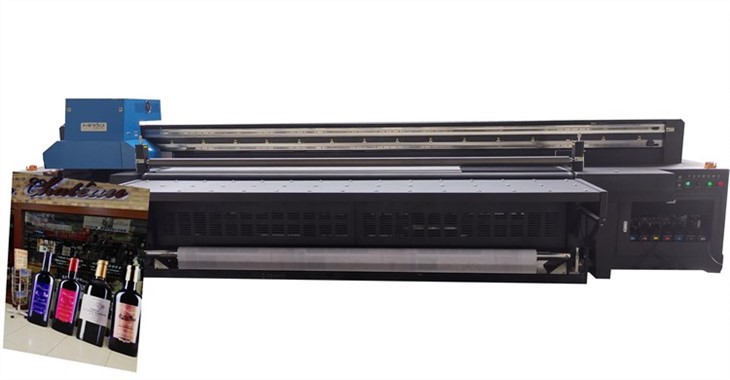
However, when you factor in the long - term costs, UV inkjet printers can be more cost - effective. The fast drying time means higher productivity, which can lead to more jobs being completed in less time. Also, the durability of UV - cured prints reduces the need for re - printing, saving you money in the long run. And if you're in an industry that requires printing on a variety of materials, the versatility of a LED Flatbed UV Printer can open up new business opportunities that can offset the initial investment.
6. Environmental Impact
In today's world, environmental impact is a significant concern. Traditional inkjet printers often use water - based inks, which are generally considered to be more environmentally friendly in terms of their chemical composition. However, the slow drying process can require the use of more energy to speed up drying, especially in large - scale printing operations.
UV inkjet printers, on the other hand, use UV - curable inks that contain fewer volatile organic compounds (VOCs). The instant curing process also reduces energy consumption because there's no need for long - term drying. Overall, UV inkjet printers can have a lower environmental impact, especially when used in high - volume production.
7. Maintenance and Upkeep
Traditional inkjet printers can be prone to clogging, especially if they're not used regularly. The ink nozzles can dry out, and this can lead to print quality issues. Cleaning the printer heads and replacing clogged cartridges can be a hassle and add to the overall cost of ownership.
UV inkjet printers, while they may require more specialized maintenance, are generally less prone to clogging. The UV - curable ink doesn't dry in the nozzles when the printer is idle, so there's less risk of blockages. However, the UV lamps need to be replaced periodically, and the printer may need to be calibrated more often to ensure consistent print quality.
Contact Us for Your Printing Needs
If you're in the market for a printer and are considering the benefits of a UV inkjet printer, we're here to help. Whether you're a small business looking to expand your printing capabilities or a large - scale production facility in need of high - performance equipment, we have the right solution for you.
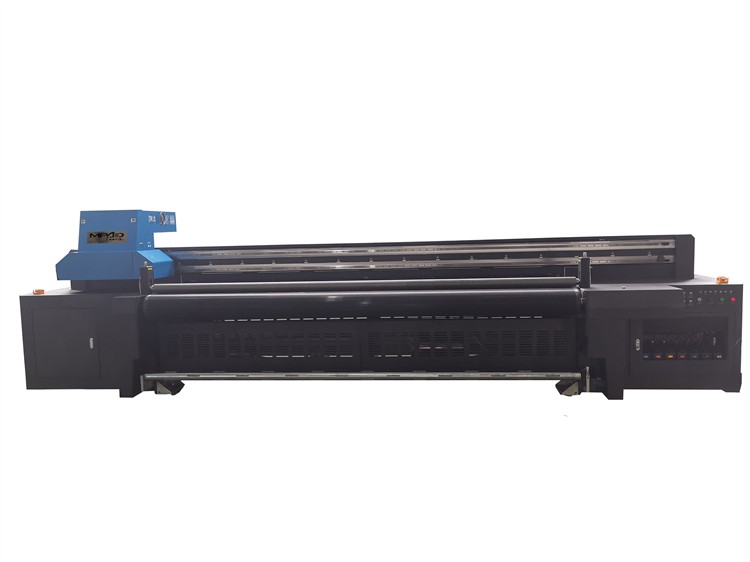
Don't hesitate to reach out to us to discuss your specific requirements and get a quote. We're confident that our UV inkjet printers can take your printing business to the next level.
References
- "Inkjet Printing Technology" by Herbert N. Beck.
- Industry reports on UV and traditional inkjet printing from leading market research firms.