
When it comes to UV flatbed printing, one of the key decisions you'll face is whether to opt for single-pass or multi-pass printing. As a supplier of UV flatbed printers, I've seen firsthand the impact this choice can have on the quality, efficiency, and overall cost of your printing projects. In this blog post, I'll break down the differences between single-pass and multi-pass printing, helping you make an informed decision for your business.
Single-Pass Printing
Single-pass printing is a high-speed printing method where the printer head moves across the substrate only once to complete the print job. This process is made possible by wide print heads that can cover a large area in a single pass. The technology behind single-pass printing has advanced significantly in recent years, making it a popular choice for high-volume production environments.
Advantages of Single-Pass Printing
- Speed: The most significant advantage of single-pass printing is its speed. Since the printer head moves across the substrate only once, the print job can be completed in a fraction of the time it would take with multi-pass printing. This makes single-pass printing ideal for large-scale production runs, where time is of the essence.
- Consistency: Single-pass printing ensures consistent color and image quality across the entire print job. Because the printer head applies the ink in a single pass, there is less chance of color variation or banding, resulting in a more uniform and professional-looking print.
- Efficiency: With single-pass printing, there is no need to make multiple passes over the substrate, which reduces the wear and tear on the printer and its components. This can lead to lower maintenance costs and longer equipment lifespan, making single-pass printing a cost-effective solution in the long run.
Disadvantages of Single-Pass Printing
- Limited Resolution: Single-pass printing typically offers lower resolution compared to multi-pass printing. This is because the printer head needs to cover a large area in a single pass, which means that the ink droplets are spread out over a larger surface area. As a result, single-pass printing may not be suitable for applications that require high levels of detail or fine text.
- Higher Initial Investment: Single-pass printers are generally more expensive than multi-pass printers due to their advanced technology and high-speed capabilities. This can make single-pass printing a less viable option for small businesses or those with limited budgets.
- Less Flexibility: Single-pass printers are designed for high-volume production runs and may not be as flexible as multi-pass printers. For example, single-pass printers may not be able to print on irregularly shaped or textured substrates, which can limit their applications.
Multi-Pass Printing
Multi-pass printing is a more traditional printing method where the printer head makes multiple passes over the substrate to complete the print job. Each pass applies a thin layer of ink, gradually building up the color and image quality. Multi-pass printing is commonly used for applications that require high levels of detail, such as fine art prints, photography, and packaging.
Advantages of Multi-Pass Printing
- High Resolution: Multi-pass printing offers higher resolution compared to single-pass printing. By making multiple passes over the substrate, the printer head can apply smaller ink droplets, resulting in a more detailed and sharp image. This makes multi-pass printing ideal for applications that require high levels of precision and accuracy.
- Flexibility: Multi-pass printers are more flexible than single-pass printers and can print on a wider range of substrates, including irregularly shaped and textured materials. This makes multi-pass printing suitable for a variety of applications, from small-scale custom prints to large-format signage.
- Lower Initial Investment: Multi-pass printers are generally less expensive than single-pass printers, making them a more affordable option for small businesses or those with limited budgets. Additionally, multi-pass printers are often more versatile and can be used for a variety of printing applications, which can provide a better return on investment.
Disadvantages of Multi-Pass Printing
- Slower Speed: The main disadvantage of multi-pass printing is its slower speed compared to single-pass printing. Because the printer head needs to make multiple passes over the substrate, the print job takes longer to complete, which can be a significant drawback for large-scale production runs.
- Color Variation: Multi-pass printing can sometimes result in color variation or banding, especially if the printer is not properly calibrated or maintained. This can affect the overall quality and consistency of the print, making it less suitable for applications that require a high level of color accuracy.
- Higher Maintenance Requirements: Multi-pass printers require more frequent maintenance compared to single-pass printers, as the printer head needs to be cleaned and calibrated regularly to ensure optimal performance. This can increase the maintenance costs and downtime associated with multi-pass printing.
Choosing the Right Printing Method for Your Business
When choosing between single-pass and multi-pass printing, it's important to consider your specific printing needs and requirements. Here are some factors to keep in mind:
- Production Volume: If you have high-volume production runs, single-pass printing may be the better option, as it offers faster speeds and greater efficiency. However, if you have smaller production runs or require more flexibility, multi-pass printing may be a better fit.
- Image Quality: If you need high levels of detail and precision, multi-pass printing is likely the better choice, as it offers higher resolution and better color accuracy. However, if you can tolerate slightly lower image quality in exchange for faster speeds, single-pass printing may be sufficient.
- Substrate Type: Consider the type of substrate you will be printing on. Single-pass printers may not be able to print on irregularly shaped or textured substrates, while multi-pass printers are more versatile and can handle a wider range of materials.
- Budget: Single-pass printers are generally more expensive than multi-pass printers, so it's important to consider your budget when making a decision. If you have limited funds, multi-pass printing may be a more affordable option.
Conclusion
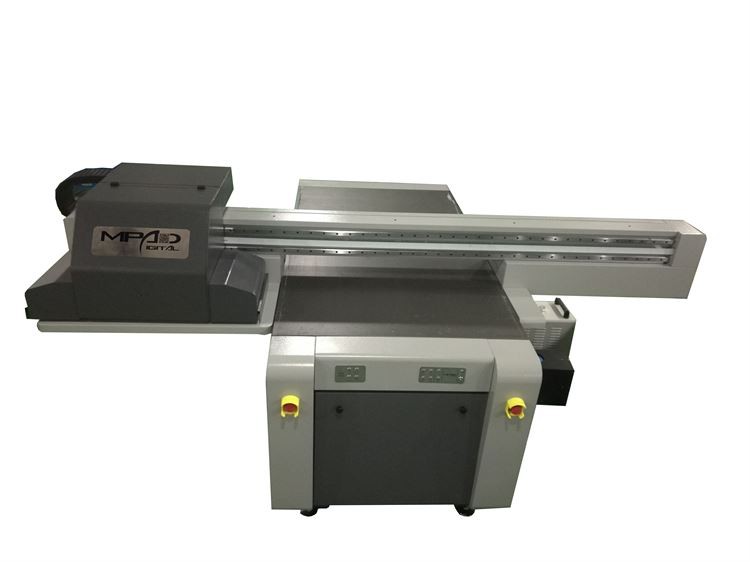
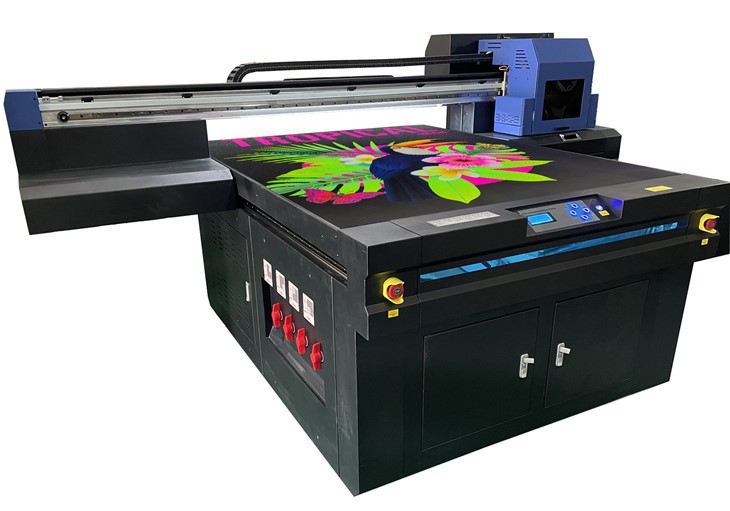
In conclusion, both single-pass and multi-pass printing have their advantages and disadvantages, and the right choice for your business will depend on your specific needs and requirements. As a supplier of Flatbed Sign Printer, UV Printer Machine, and Small Format UV Printer, we can help you determine the best printing solution for your business. Whether you need high-speed production capabilities or high-quality image output, we have the expertise and technology to meet your needs.
If you're interested in learning more about our UV flatbed printers or have any questions about single-pass or multi-pass printing, please don't hesitate to contact us. Our team of experts is here to assist you and help you make the right decision for your business.
References
- Smith, J. (2023). UV Flatbed Printing: A Comprehensive Guide. Printing Press.
- Johnson, A. (2022). The Future of Single-Pass Printing. Digital Printing Magazine.
- Brown, C. (2021). Multi-Pass Printing Techniques for High-Quality Results. Printing World.