
Hey there! As a supplier of top UV printers, I've been getting a lot of questions lately about the difference in print quality between printers with different ink systems. So, I thought I'd take a moment to break it down for you all.
Let's start by understanding the basics of UV printers. UV printers use ultraviolet light to cure or dry the ink almost instantly as it's printed onto the surface. This technology allows for high - resolution printing on a wide variety of materials, from wood and glass to metal and plastic. Now, when it comes to ink systems, there are a few key types that can significantly impact print quality.
Solvent - Based UV Inks
Solvent - based UV inks are known for their durability. They contain solvents that help the ink spread evenly on the surface. One of the biggest advantages of these inks is their ability to adhere well to difficult - to - print materials. For example, if you're printing on a rough or porous surface like raw wood, solvent - based UV inks can penetrate the material a bit and create a strong bond.
The print quality from solvent - based UV inks is often rich in color. The solvents help the pigments in the ink disperse evenly, resulting in smooth and vivid prints. However, they do have some drawbacks. The solvents can emit volatile organic compounds (VOCs), which are not only bad for the environment but can also be a health hazard in poorly ventilated areas. Also, the drying process can sometimes leave a slight odor on the printed material, which might not be ideal for some applications.
Water - Based UV Inks
Water - based UV inks are a more eco - friendly option. They use water as the main carrier for the pigments instead of solvents. This means they have very low VOC emissions, making them a great choice for indoor printing environments or for applications where environmental concerns are a priority.
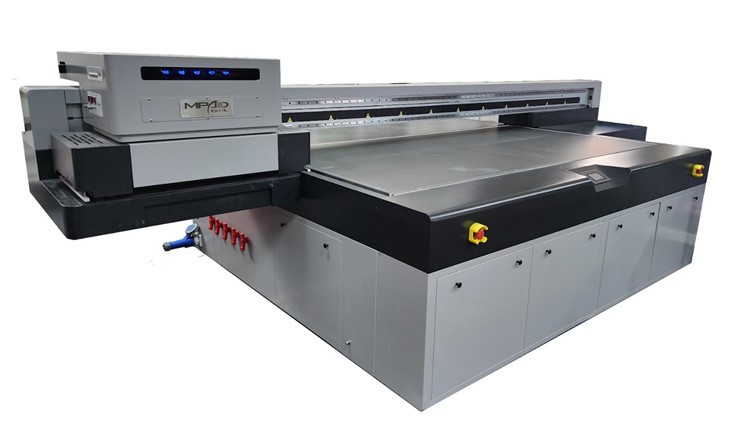
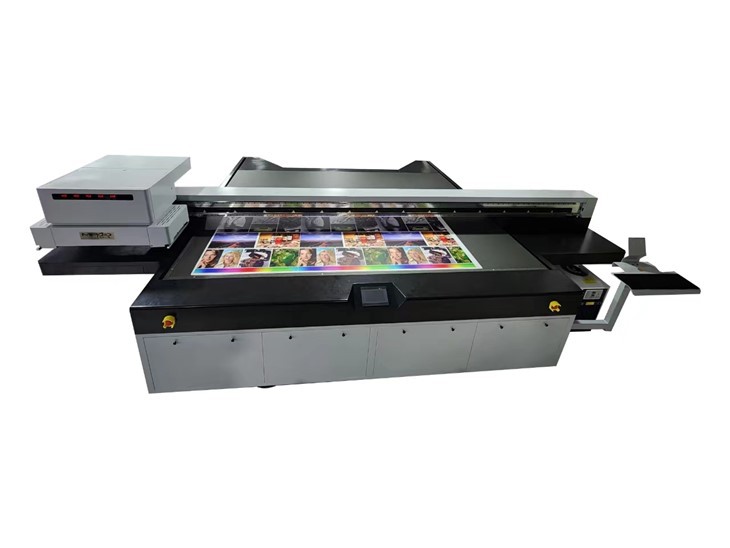
In terms of print quality, water - based UV inks offer excellent color accuracy. The water helps the pigments to be suspended evenly, and when cured under UV light, they can produce sharp and detailed prints. However, they may not adhere as well to some materials as solvent - based inks. For instance, on non - porous surfaces like glass, the print might be more prone to scratching or peeling over time compared to a print made with solvent - based inks.
Hybrid UV Inks
Hybrid UV inks are a combination of solvent - based and water - based technologies. They try to take the best of both worlds. These inks offer good adhesion to a wide range of materials, similar to solvent - based inks, while also having relatively low VOC emissions like water - based inks.
The print quality of hybrid UV inks is quite impressive. They can produce high - gloss finishes and are very resistant to fading. They're also great for printing on flexible materials like vinyl, as they can bend and stretch without cracking the print. However, they can be a bit more expensive than the other two types of inks, which might be a consideration for some customers.
How These Ink Systems Affect Print Resolution
Print resolution is a crucial factor when it comes to print quality. It refers to the number of dots per inch (DPI) that the printer can produce. Higher DPI generally means a sharper and more detailed print.
Solvent - based UV inks can achieve high DPI, but the solvents can sometimes cause the ink to spread a bit on the surface, which might reduce the sharpness slightly at extremely high resolutions. Water - based UV inks, on the other hand, tend to dry more quickly and can maintain sharpness at high DPI. Hybrid UV inks also offer good performance in terms of resolution, as they combine the drying properties of both solvent and water - based inks.
Color Gamut and Ink Systems
The color gamut is the range of colors that a printer can produce. Different ink systems have different color gamuts. Solvent - based UV inks often have a wider color gamut, which means they can produce a greater variety of colors. This is great for applications where you need to match specific colors or print highly detailed and colorful images, like in the advertising or graphic design industries.
Water - based UV inks have a slightly more limited color gamut, but they can still produce very accurate colors within their range. Hybrid UV inks usually fall somewhere in between, offering a good balance of color variety and accuracy.
Applications and Ink System Selection
The choice of ink system also depends on the application. For outdoor signage, where durability is key, solvent - based UV inks are often the best choice. They can withstand harsh weather conditions and resist fading over time. UV LED Flatbed Printer with solvent - based ink systems are commonly used for this purpose.
If you're printing on food - grade packaging or for indoor art installations where environmental concerns are important, water - based UV inks are a better option. UV Flatbed Printer Machine using water - based inks can provide high - quality and eco - friendly prints.
For a more versatile option that can handle a variety of materials and applications, hybrid UV inks are a great choice. UV Flatbed Machine equipped with hybrid ink systems can be used for everything from printing on textiles to creating custom - made furniture.
Conclusion
In conclusion, the print quality of top UV printers can vary significantly depending on the ink system. Each ink system has its own strengths and weaknesses in terms of durability, color accuracy, environmental impact, and cost. As a supplier, I always recommend that customers consider their specific needs and applications when choosing a UV printer and ink system.
If you're in the market for a top - quality UV printer and need help deciding which ink system is right for you, don't hesitate to reach out. We can have a detailed discussion about your requirements and find the perfect solution for your printing needs. Whether you're a small business looking to expand your printing capabilities or a large - scale manufacturer in need of high - volume production, we've got you covered.
References
- "The Handbook of UV Technology" - A comprehensive guide on UV printing and ink systems.
- Industry reports on UV printing technology trends.
- Research studies on the environmental impact of different UV ink systems.