

As a supplier of UV Digital Printers, I often encounter questions from customers about the differences between UV LED and traditional UV lamps in UV digital printers. In this blog post, I'll delve into the key distinctions, advantages, and disadvantages of these two types of UV light sources to help you make an informed decision when choosing a UV digital printer.
1. Working Principle
UV LED
UV LED (Ultraviolet Light - Emitting Diode) technology uses semiconductor materials to emit ultraviolet light. When an electric current passes through the semiconductor, electrons and holes recombine, releasing energy in the form of UV light. UV LEDs can be precisely engineered to emit specific wavelengths of UV light, typically in the UVA (320 - 400 nm), UVB (280 - 320 nm), or UVC (100 - 280 nm) ranges. In UV digital printers, UVA LEDs are the most commonly used as they are effective for curing UV - ink.
Traditional UV Lamps
Traditional UV lamps, such as mercury vapor lamps, operate on the principle of gas discharge. Inside the lamp, an electric arc passes through mercury vapor, exciting the mercury atoms. As these atoms return to their ground state, they emit UV light along with some visible light and infrared radiation. These lamps usually emit a broad spectrum of UV light, covering multiple wavelengths.
2. Energy Efficiency
UV LED
UV LEDs are highly energy - efficient. They convert a large proportion of the electrical energy they consume into UV light, with minimal energy wasted as heat. For example, compared to traditional UV lamps, UV LEDs can reduce energy consumption by up to 70%. This not only lowers the operating costs of the UV digital printer but also makes it more environmentally friendly. Additionally, UV LEDs can be quickly turned on and off, consuming power only when in use.
Traditional UV Lamps
Traditional UV lamps are less energy - efficient. A significant amount of the electrical energy they consume is converted into heat rather than UV light. They also require a warm - up period to reach their full output, and turning them on and off frequently can reduce their lifespan. This means that even when the printer is not actively printing, the lamps may still be consuming power to maintain their operating temperature.
3. Lifespan
UV LED
UV LEDs have a much longer lifespan compared to traditional UV lamps. A typical UV LED can last up to 20,000 - 30,000 hours of continuous use. This reduces the frequency of lamp replacements, minimizing downtime for the printer and saving on replacement costs. Moreover, the performance of UV LEDs remains relatively stable throughout their lifespan, ensuring consistent curing quality over time.
Traditional UV Lamps
Traditional UV lamps have a shorter lifespan, usually ranging from 1,000 to 3,000 hours. After this period, the intensity of the UV light they emit starts to decline, which can lead to incomplete ink curing. Frequent lamp replacements are required, which adds to the operating costs and can cause disruptions to the printing process.
4. Heat Generation
UV LED
One of the significant advantages of UV LEDs is their low heat generation. Since they are energy - efficient and convert most of the electrical energy into UV light, very little heat is produced. This is beneficial for printing on heat - sensitive materials, such as thin plastics, paper, and some types of fabrics. The low - heat environment also reduces the risk of warping or damage to the printed materials.
Traditional UV Lamps
Traditional UV lamps generate a large amount of heat during operation. The high heat can cause problems when printing on heat - sensitive substrates, such as melting or deforming the material. Additionally, the heat can increase the temperature inside the printer, which may affect the performance of other components and require additional cooling systems to maintain a stable operating environment.
5. Curing Speed and Quality
UV LED
UV LEDs can provide fast and efficient curing. They can be precisely tuned to emit the optimal wavelength for the specific UV ink being used, ensuring rapid and thorough curing. This results in high - quality prints with sharp details, vibrant colors, and excellent adhesion. The fast curing speed also allows for higher printing speeds, increasing the overall productivity of the UV digital printer.
Traditional UV Lamps
Traditional UV lamps can also cure UV inks, but their broad - spectrum output may not be as effective for some specialized inks. The curing speed may be slower, especially for inks that are designed to be cured at specific wavelengths. In some cases, the inconsistent spectrum of traditional lamps can lead to uneven curing, resulting in issues such as poor adhesion or color fading over time.
6. Size and Design Flexibility
UV LED
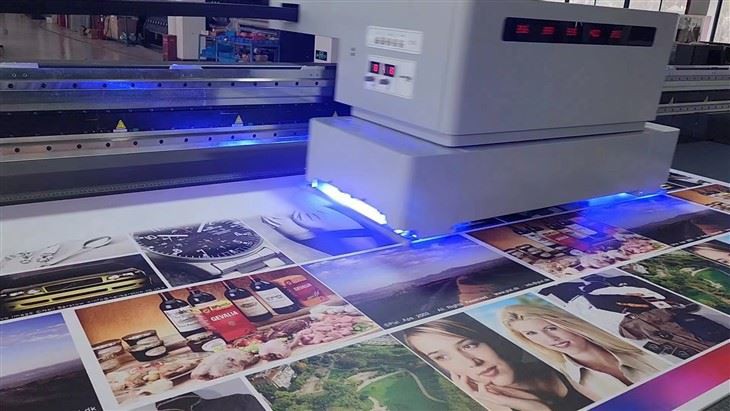
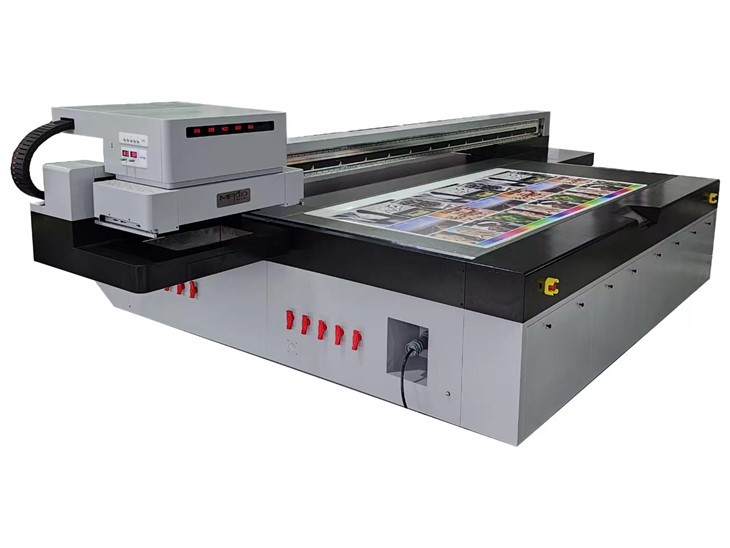
UV LED modules are compact and lightweight. This allows for more flexible design options in UV digital printers. They can be easily integrated into different printer configurations, including UV Flatbed Machine, Flatbed Digital Printer, and Industrial Flatbed Printer. The small size of UV LEDs also enables the development of more compact and portable printers.
Traditional UV Lamps
Traditional UV lamps are larger and heavier. Their size and the need for additional cooling systems can limit the design flexibility of the printer. They may require more space inside the printer, making it more challenging to design a compact and user - friendly machine.
7. Cost
UV LED
The initial cost of UV LED systems is generally higher than that of traditional UV lamps. However, considering the long - term savings in energy consumption, lamp replacements, and maintenance, the total cost of ownership of a UV digital printer with UV LEDs can be lower. As the technology continues to develop, the price of UV LEDs is gradually decreasing, making them more accessible to a wider range of customers.
Traditional UV Lamps
Traditional UV lamps have a lower initial cost. However, the ongoing costs associated with energy consumption, frequent lamp replacements, and maintenance can add up over time. In the long run, these costs can make traditional UV lamps a more expensive option.
8. Environmental Impact
UV LED
UV LEDs are more environmentally friendly. They do not contain harmful substances such as mercury, which is present in traditional UV lamps. When disposed of, UV LEDs do not pose the same environmental risks as traditional lamps. Their energy - efficient operation also reduces carbon emissions, contributing to a greener printing process.
Traditional UV Lamps
Traditional UV lamps contain mercury, a toxic substance. Improper disposal of these lamps can lead to mercury pollution in the environment. Additionally, their high energy consumption contributes to increased carbon emissions, making them less environmentally friendly compared to UV LEDs.
Conclusion
In summary, UV LEDs offer numerous advantages over traditional UV lamps in UV digital printers, including energy efficiency, longer lifespan, low heat generation, fast curing, design flexibility, and environmental friendliness. While the initial investment in UV LED - equipped printers may be higher, the long - term benefits make them a more cost - effective and sustainable choice.
If you are in the market for a UV digital printer and want to learn more about how UV LED technology can enhance your printing operations, we invite you to contact us for a detailed discussion. Our team of experts is ready to assist you in selecting the right printer for your specific needs.
References
- "UV LED Technology: Principles and Applications" by XYZ Publishing
- "Comparative Study of UV LED and Traditional UV Lamps in Printing Industry" by ABC Research Institute
- "Advances in UV Curing Technology" by DEF Journal